With more than 10‑year industry experience, Shandong Headpowder delivers full‑service pneumatic‑conveying systems and blowers, undertaking nationwide turn‑key powder‑handling projects.
For industries dealing with refractory materials, efficient material handling is crucial to maintain production efficiency and ensure product quality. Pneumatic conveying systems offer a reliable solution for transporting these materials, especially in high-temperature and challenging environments. This article explores the working principle and key features of pneumatic conveying lines designed for refractory materials, highlighting how such systems enhance operational performance and safety.
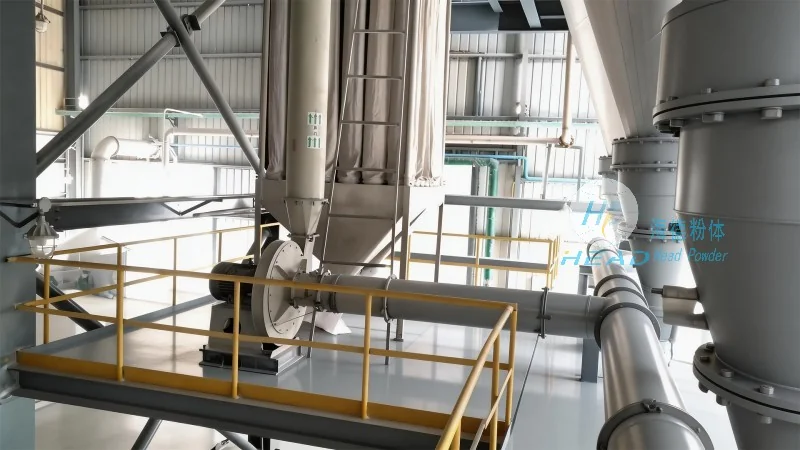
Pneumatic conveying systems are mechanical devices that use compressed air or gas to transport bulk materials, including powders and granules, from one location to another. In the context of refractory materials, these systems are engineered to handle materials with specific properties such as high temperature resistance, chemical inertness, and sometimes abrasive or fragile characteristics. The primary goal of these systems is to move refractory materials like alumina, silica, and other ceramic powders or aggregates with minimal loss, contamination, and damage. This is particularly important in industries like steelmaking, ceramics, and foundries where refractory materials are used in furnace linings and other high-temperature applications.
The fundamental working principle of a pneumatic conveying line for refractory materials involves creating a flow of air through a pipeline, which then carries the material particles along with it. There are two main types of pneumatic conveying systems: pressure (or positive pressure) systems and vacuum (or negative pressure) systems. Each type operates based on different pressure differentials and is chosen based on the material characteristics, distance, and system layout.
In a pressure system, compressed air is introduced at the material feed point, creating a high-pressure environment that pushes the material through the pipeline. The system typically includes a blower or compressor at the discharge end, which generates the necessary pressure to move the material. This method is suitable for short to medium distances and materials that are less sensitive to air pressure changes. The pressure system ensures that the material is transported in a continuous stream, minimizing the risk of material settling or clogging in the pipeline.
Conversely, a vacuum system operates by creating a low-pressure environment at the discharge end, drawing the material and air mixture through the pipeline. A vacuum pump or fan is used to create this negative pressure, which pulls the material from the source to the destination. Vacuum systems are ideal for longer distances and materials that are more prone to dust generation or require gentle handling. The vacuum method allows for the collection of fine particles and ensures that the material is transported without excessive pressure on the particles, reducing the risk of breakage.
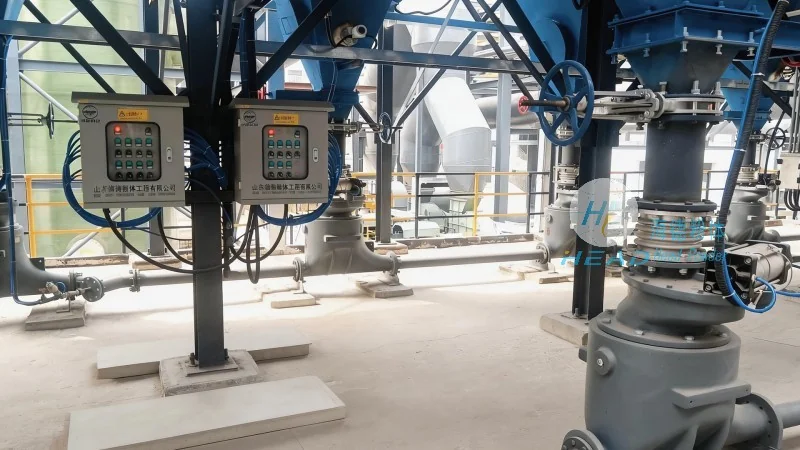
Both systems rely on the principle of fluidization, where the material particles are suspended in the air stream. The velocity of the air in the pipeline must be sufficient to keep the particles in suspension and prevent them from settling or sticking to the pipe walls. This velocity is determined by factors such as the material's density, particle size, and the system's design. Proper design of the conveying line, including the pipe diameter, bends, and fittings, is critical to maintaining the required air velocity and preventing pressure losses or material buildup.
The features of a pneumatic conveying system for refractory materials are tailored to address the unique challenges associated with these materials. Some of the key features include:
1. High Temperature Resistance: Pneumatic conveying systems designed for refractory materials are constructed with materials that can withstand high temperatures, often exceeding 500°C. Components such as pipes, valves, and fittings are made from heat-resistant alloys or ceramics to ensure durability and prevent deformation or failure under extreme heat conditions. This is essential for applications where the material itself is used in high-temperature environments, as the conveying system must not compromise the material's integrity.
2. Gentle Material Handling: Refractory materials, especially powders and fine aggregates, are often fragile and can be easily damaged by impact or abrasion. Pneumatic conveying systems use air as the conveying medium, which provides a cushioning effect and minimizes mechanical stress on the particles. The low-pressure or vacuum operation reduces the risk of particle breakage, ensuring that the material's quality is maintained throughout the conveying process. This is particularly important for materials used in precision applications, such as ceramic coatings or refractory linings.
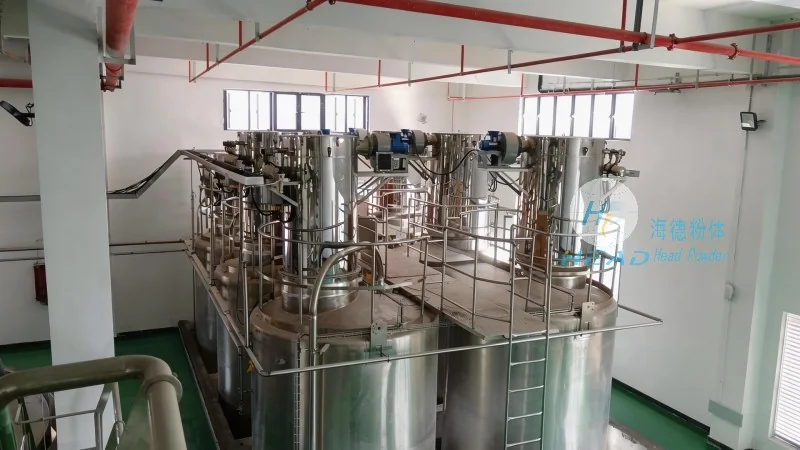
3. Dust Control and Environmental Safety: Refractory materials are often fine powders that can generate significant dust during handling. Pneumatic conveying systems are equipped with dust collection and filtration systems to capture and contain the airborne particles, ensuring compliance with environmental regulations and maintaining a safe working environment. The systems may include cyclone separators, bag filters, or electrostatic precipitators to remove dust from the air stream before it is released into the atmosphere. This feature not only protects the environment but also prevents dust from settling on equipment or work surfaces, reducing the risk of fire hazards or material contamination.
4. Flexibility and Scalability: Pneumatic conveying systems can be designed to accommodate various material types and processing requirements. They can be configured for different conveying distances, from short intra-plant transfers to long-distance overland transport. The systems can also be integrated with other processing equipment, such as mixers, classifiers, or storage silos, to form a complete material handling solution. This flexibility allows manufacturers to adapt the system to changing production needs and expand operations without significant modifications.
5. Energy Efficiency: Modern pneumatic conveying systems are engineered to be energy-efficient, reducing operational costs for the end-user. The use of high-efficiency blowers or vacuum pumps, along with optimized system design, minimizes energy consumption while maintaining the required conveying performance. Some systems incorporate variable speed drives to adjust air flow based on the material load, further enhancing energy savings. This feature is particularly important for large-scale operations where energy costs can significantly impact overall production expenses.
Pneumatic conveying systems for refractory materials offer a reliable and efficient solution for material handling in high-temperature and demanding industrial environments. By understanding the working principle and key features of these systems, manufacturers can select the appropriate equipment to enhance productivity, ensure material quality, and maintain safety standards. Shandong HeadPowder Engineering Co., Ltd., a leading provider of material handling solutions, specializes in designing and manufacturing pneumatic conveying systems tailored to the unique needs of refractory material processing. With a focus on durability, efficiency, and safety, HeadPowder's systems are engineered to meet the highest industry standards and deliver long-term performance for clients in various sectors, including steel, ceramics, and foundries. Based in Shandong, China, HeadPowder leverages its expertise to provide customized solutions that optimize material handling processes and contribute to the overall success of industrial operations.

 Shandong Headpowder Engineering Co., Ltd.
 156-6277-7102(Manager Zhang)
  0531-83386006
  Zhangqiu District, Jinan City, Shandong Province, China
telephone
WeChatconsult
top