

Working Principle and Features of Plastic Pellet Material Pneumatic Conveying Lines
HeadPowder, a leading manufacturer based in Shandong, China, specializes in providing advanced pneumatic conveying solutions for plastic pellet materials. This article explores the working principle and key features of their plastic pellet material pneumatic conveying lines, highlighting how these systems enhance efficiency and reliability in material handling processes.
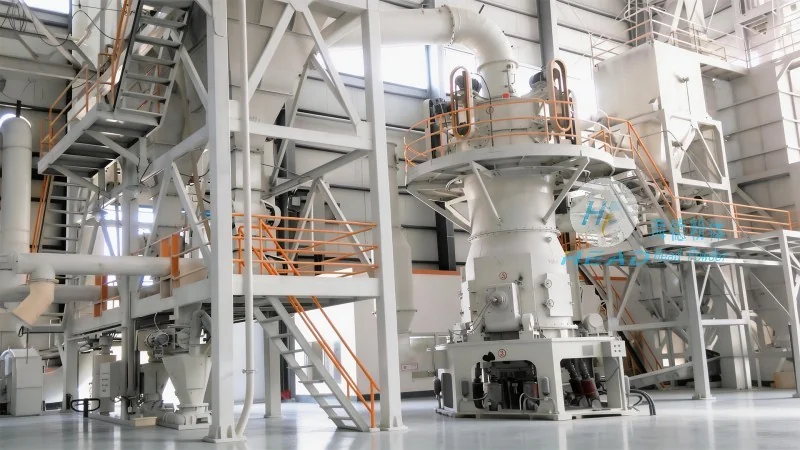
Working Principle of Plastic Pellet Material Pneumatic Conveying Lines
The core mechanism of plastic pellet material pneumatic conveying lines involves the use of compressed air or vacuum to transport plastic pellets through a pipeline. The process typically begins with the plastic pellets being fed into a hopper or feeder, where they are then introduced into the conveying line. As the air is introduced into the pipeline, it creates a flow that suspends the pellets, allowing them to be carried along the line to the destination. This method eliminates the need for mechanical components like belts or buckets, reducing maintenance requirements and increasing operational efficiency. The system is equipped with control valves and sensors to regulate the air flow and ensure consistent material transport. HeadPowder's designs optimize the air-to-material ratio, minimizing energy consumption while maximizing throughput. The conveying lines can be configured for both positive pressure (air pushing the material) and negative pressure (air pulling the material), providing flexibility for different application scenarios.
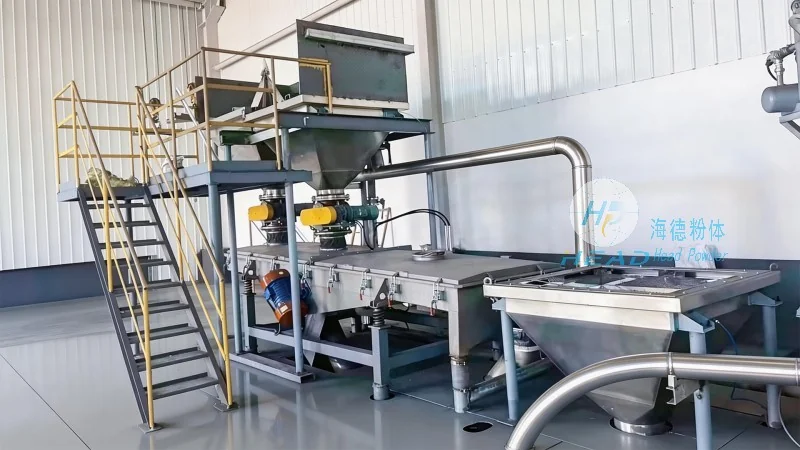
Key Features of Plastic Pellet Material Pneumatic Conveying Lines
HeadPowder's plastic pellet material pneumatic conveying lines are engineered with several distinct features that set them apart in the industry. Firstly, the systems are designed for high efficiency, enabling the transportation of large volumes of plastic pellets over long distances with minimal downtime. This is particularly beneficial for manufacturers who need to move materials between multiple processing stations or storage areas. Secondly, the equipment is built to maintain the purity of the plastic pellets, which is crucial for applications where contamination could affect product quality. The enclosed pipeline system prevents dust and external particles from entering the material stream, ensuring that the pellets remain clean and free from moisture or debris. Thirdly, the reliability of these systems is enhanced by their simple yet robust construction. With fewer moving parts compared to traditional mechanical conveyors, the risk of mechanical failure is reduced, and maintenance intervals are extended. This results in lower operational costs and higher uptime for the end-user. Additionally, the flexibility of the pneumatic conveying lines allows for easy integration into existing production lines. HeadPowder offers customizable solutions that can be adjusted to accommodate varying pellet sizes, flow rates, and pipeline lengths, ensuring that the system meets the specific needs of each client.
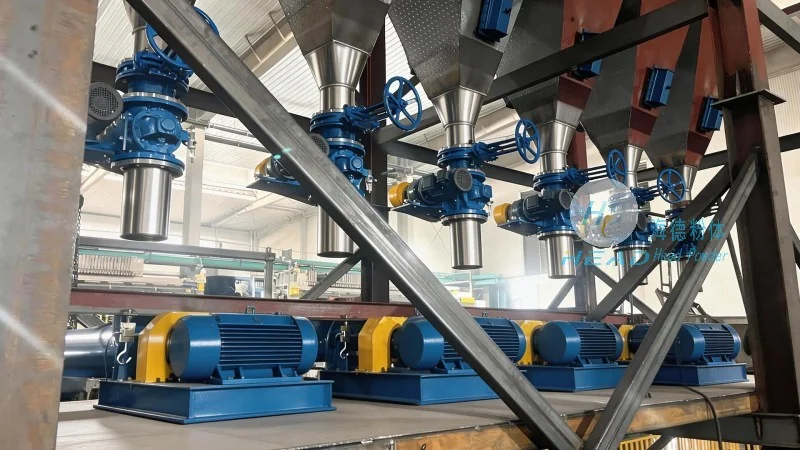
Application-Specific Advantages
For plastic processing facilities, the use of pneumatic conveying lines offers several advantages that directly impact production outcomes. The ability to handle different types of plastic pellets, including polyethylene, polypropylene, and other thermoplastics, makes these systems versatile. The low noise operation of the equipment is another benefit, as it minimizes disruption in manufacturing environments. Furthermore, the systems are designed to be energy-efficient, which aligns with sustainability goals and reduces operational expenses over time. HeadPowder's commitment to quality is evident in the durability of their components, which are made from corrosion-resistant materials to withstand the chemical properties of various plastic materials. The integration of advanced control systems allows for real-time monitoring of the conveying process, enabling operators to quickly address any issues that may arise. This proactive approach to maintenance ensures that the production line remains operational with minimal interruptions.
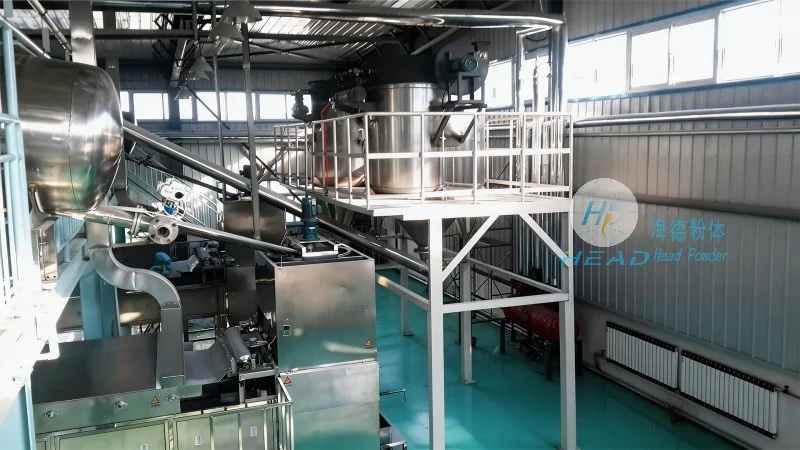
Conclusion
Plastic pellet material pneumatic conveying lines from HeadPowder represent a sophisticated solution for efficient and reliable material handling in the plastic industry. By leveraging pneumatic technology, these systems offer a clean, efficient, and flexible method for transporting plastic pellets, reducing labor costs and improving overall production efficiency. The combination of advanced engineering, robust construction, and customizable features makes HeadPowder's pneumatic conveying lines an ideal choice for manufacturers seeking to optimize their material handling processes. With a strong presence in Shandong, China, HeadPowder continues to innovate and provide high-quality solutions that meet the evolving needs of the plastic processing sector.