

Working Principle and Characteristics of Pneumatic Conveying for Calcined Lime Materials
For industries dealing with calcined lime, efficient material handling is crucial to maintain production efficiency and operational safety. Pneumatic conveying systems offer a reliable solution for transporting calcined lime from storage to processing units. This article explores the working principle and key characteristics of such systems, highlighting how they enhance material transport in industrial applications.
Working Principle of Pneumatic Conveying for Calcined Lime
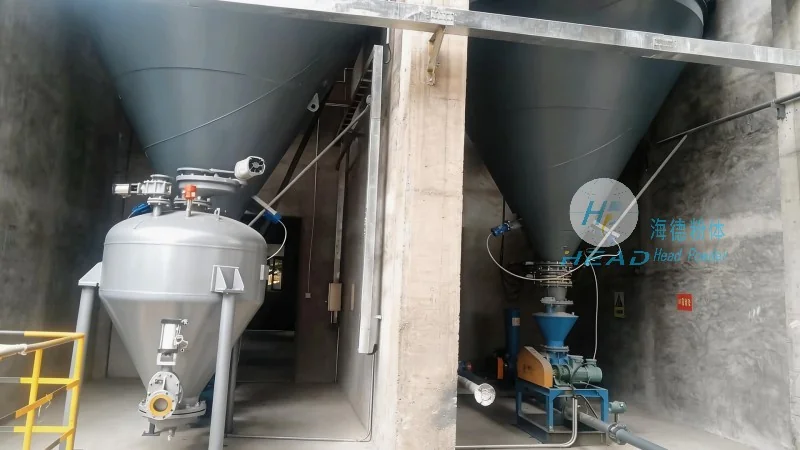
The core of a pneumatic conveying system for calcined lime involves the use of air to move material through a pipeline. The process typically starts with the material being fed into a hopper or feeder. From there, the material is introduced into a duct where it is entrained by a high-velocity air stream. This air stream carries the calcined lime particles through the pipeline to the destination point, such as a silo or processing equipment. The system relies on the balance between air velocity and particle size to ensure stable transport without clogging or degradation of the material.
Key Characteristics of Pneumatic Conveying Systems
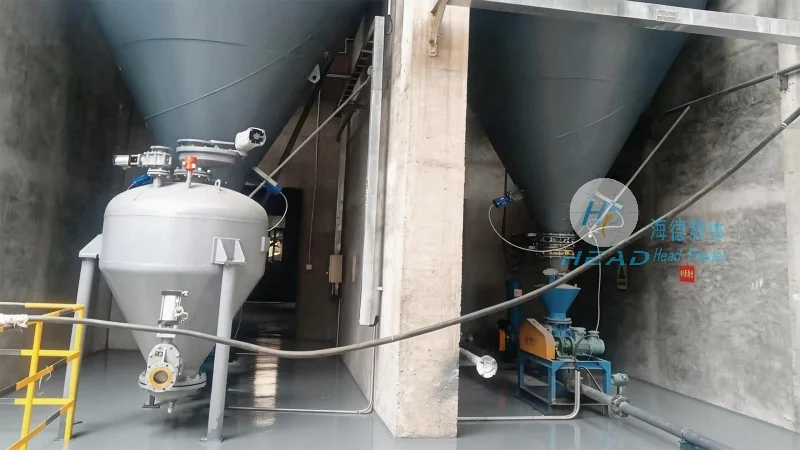
Several distinct characteristics define pneumatic conveying systems used for calcined lime, making them suitable for various industrial needs. First, the system is fully enclosed, which helps in controlling dust emissions and maintaining a clean working environment. This is particularly important for calcined lime, which can generate fine particles that may affect air quality and worker health. Second, the system offers flexibility in layout, allowing for horizontal, vertical, or combined transport routes, adapting to the spatial constraints of different production facilities. Third, the conveying process is continuous and automated, reducing the need for manual handling and minimizing the risk of material spillage or contamination. Additionally, the system can handle varying material flow rates, from low to high, depending on the production requirements. The use of positive or negative pressure systems further enhances the adaptability of the conveying process, ensuring optimal performance under different operational conditions.
Advantages of Using Pneumatic Conveying for Calcined Lime
Implementing a pneumatic conveying system for calcined lime brings several advantages that contribute to improved operational efficiency and cost-effectiveness. One of the primary benefits is the reduction in labor costs associated with manual material handling. By automating the transport process, the system minimizes the need for human intervention, leading to lower labor expenses and increased productivity. Another advantage is the improved material quality control. The enclosed system prevents contamination from external sources, ensuring that the calcined lime remains pure and free from dust or foreign particles. This is critical for applications where material purity directly impacts product quality, such as in chemical or pharmaceutical industries. Furthermore, the system enhances safety by eliminating the need for workers to handle bulk materials manually, reducing the risk of accidents and injuries. The consistent and reliable transport of calcined lime also helps in maintaining stable production schedules, as the system can operate continuously without interruptions, unlike manual handling methods that may lead to delays or bottlenecks.
Application Examples in Industrial Settings
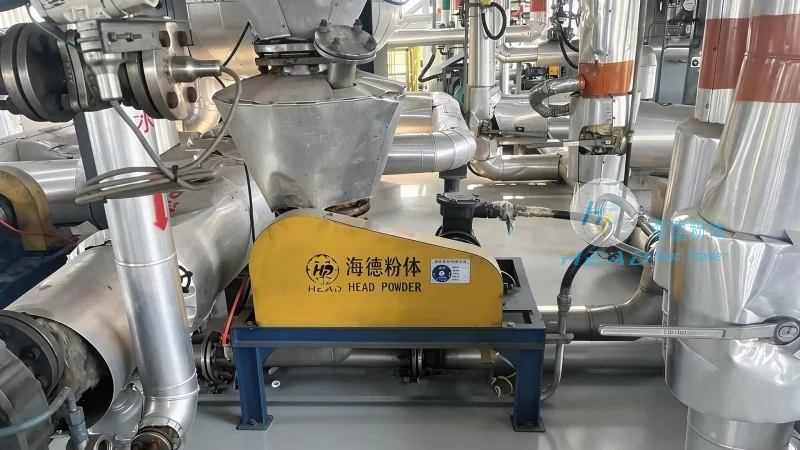
Pneumatic conveying systems for calcined lime are widely used in various industrial sectors, including chemical manufacturing, cement production, and food processing. In chemical plants, calcined lime is often used as a raw material in the production of calcium compounds, and the pneumatic system ensures that it is transported efficiently from storage to reaction vessels. In cement production, the system helps in conveying calcined lime to the grinding mills, where it is mixed with other raw materials to produce cement. In food processing, the system is used to transport calcined lime for use in food additives or as a neutralizing agent in processing lines. Each application benefits from the system's ability to handle bulk materials with minimal waste and maximum efficiency, making it a preferred choice for industries that require consistent and reliable material transport.
Conclusion and Company Overview
Pneumatic conveying systems for calcined lime materials offer a robust and efficient solution for industrial material handling. By understanding the working principle and characteristics of these systems, industries can make informed decisions about implementing such technology to enhance their operations. Shandong HeadPowder Engineering Co., Ltd., a leading provider of material handling solutions, specializes in designing and manufacturing pneumatic conveying systems tailored to the specific needs of calcined lime applications. With a focus on quality, reliability, and customer satisfaction, HeadPowder has established itself as a trusted partner in the industry, delivering systems that meet the highest standards of performance and safety. Based in Shandong, China, HeadPowder leverages its expertise and local resources to provide comprehensive solutions for material transport, ensuring that clients achieve optimal results in their production processes.