

Working Principle and Features of Powdered Food Additive Pneumatic Conveying Systems
HeadPowder, a leading engineering company based in Shandong, China, specializes in the design and manufacturing of advanced pneumatic conveying systems tailored for the food additive industry. This article provides an in-depth exploration of the working principles and key features of such systems, highlighting their efficiency and reliability in handling powdered food additives.
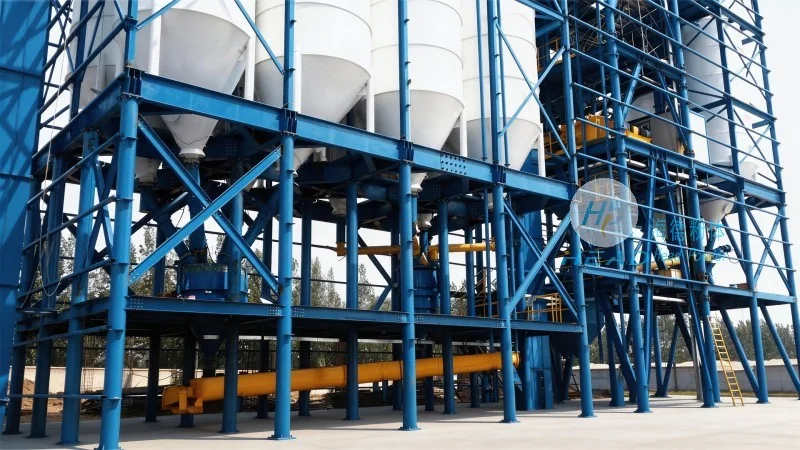
Understanding the Working Principle of Pneumatic Conveying Systems for Food Additives
Pneumatic conveying systems for food additives operate by utilizing air or other gases to transport bulk powders. The core mechanism involves creating a pressure differential between the inlet and outlet of the system. In an aspiration (or suction) system, air is drawn through a vacuum pump, which pulls the powder from a storage silo or hopper into the conveying line. The powder is then carried by the air stream to the destination point, such as a processing unit or packaging line. Conversely, compression (or pressure) systems use a positive pressure pump to push air and powder through the system. Both methods ensure that the powder is transported without direct contact with mechanical components, maintaining product purity and preventing contamination.
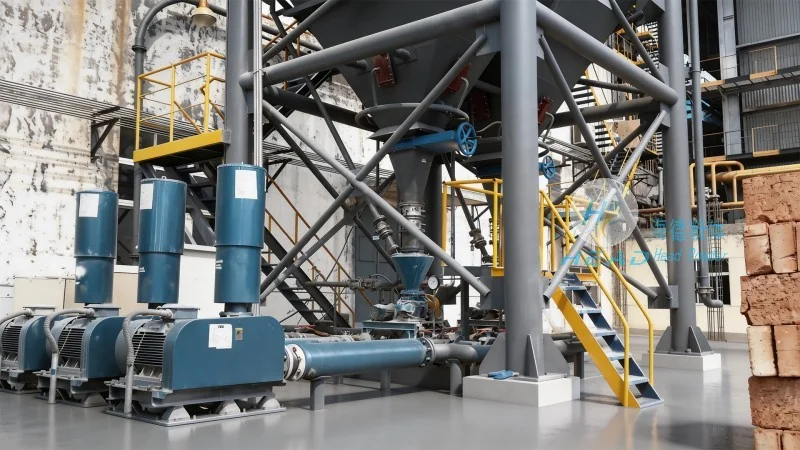
Key Features of Powdered Food Additive Pneumatic Conveying Systems
These systems offer several advantages that make them ideal for the food additive industry. First, they provide a hygienic and dust-free operation, which is critical for maintaining food safety standards. The enclosed system prevents powder from escaping into the environment, reducing the risk of cross-contamination and ensuring compliance with regulatory requirements. Second, pneumatic conveyors offer high efficiency and flexibility. They can handle a wide range of powder properties, including varying particle sizes, densities, and flowability, making them adaptable to different production needs. Additionally, these systems are space-saving and easy to integrate into existing production lines. Unlike traditional belt or screw conveyors, pneumatic systems require minimal floor space and can be installed in various configurations, such as vertical or horizontal, to optimize the layout of the facility.
Another notable feature is the energy efficiency of modern pneumatic conveying systems. Advanced designs, such as pulse-jet or rotary valve systems, minimize air consumption while maintaining effective powder transport. This not only reduces operational costs but also contributes to environmental sustainability. Furthermore, the systems are low-maintenance, with fewer moving parts compared to mechanical conveyors, which reduces downtime and maintenance expenses over the long term.
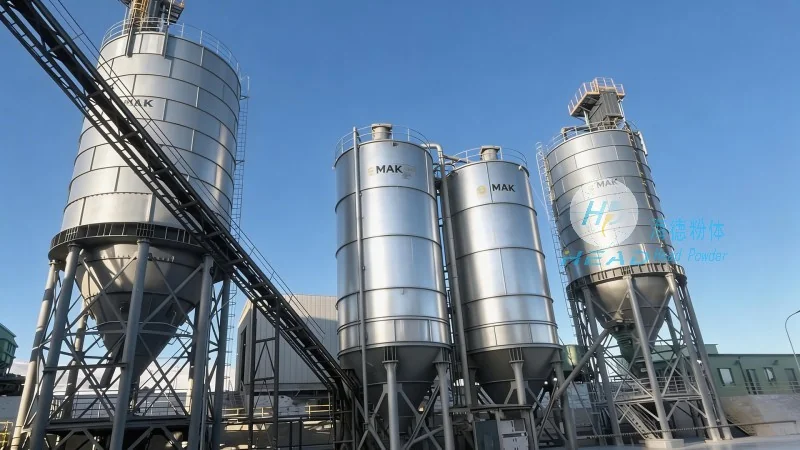
Shandong HeadPowder Engineering Co., Ltd., headquartered in Shandong, China, is a trusted provider of these advanced systems. The company leverages years of experience in the industry to design customized solutions that meet the specific needs of food additive manufacturers. By combining innovative engineering with rigorous quality control, HeadPowder ensures that its pneumatic conveying systems deliver optimal performance, reliability, and compliance with industry standards.