

Working Principle and Features of Intermittent Material Handling Equipment
Intermittent material handling equipment is a critical component in various industrial and manufacturing processes, designed to transport materials in a controlled, periodic manner. This equipment is essential for applications where precise control over material movement is required, such as in pharmaceutical production, food processing, and chemical manufacturing. The working principle and features of such equipment are tailored to meet the specific demands of these industries, ensuring efficiency, safety, and reliability in material handling operations.
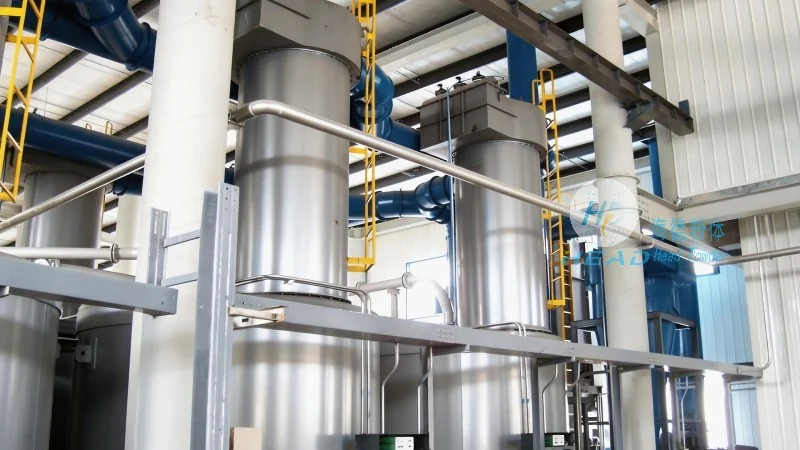
Working Principle of Intermittent Material Handling Equipment
The core working principle of intermittent material handling equipment revolves around the controlled movement of materials in discrete steps or cycles. Unlike continuous conveyor systems that operate continuously, intermittent equipment moves materials in short, timed intervals. This is achieved through mechanisms like cams, pneumatic or hydraulic actuators, or electric motors that drive the transport components. The equipment typically consists of a conveyor bed, a drive system, and control mechanisms that regulate the start and stop of material movement. For instance, in a bucket elevator or a shuttle conveyor, the drive system activates the transport mechanism at specific intervals, lifting or moving the material in a stepwise fashion. This intermittent operation allows for precise control over the speed and timing of material transfer, which is crucial for applications requiring accurate positioning or processing of materials.
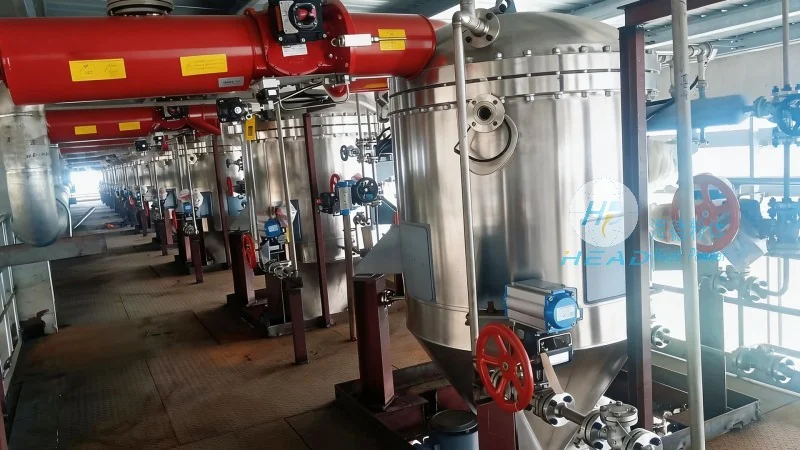
Key Features of Intermittent Material Handling Equipment
Intermittent material handling equipment is characterized by several key features that enhance its functionality and adaptability in industrial settings. One of the primary features is its ability to handle a wide range of materials, from bulk powders and granules to solid parts and packaged products. The design of the equipment, including the type of conveyor bed and the material of construction, is tailored to accommodate different material properties, ensuring minimal product degradation and contamination. Another significant feature is the precise control over material movement, which is achieved through advanced control systems. These systems allow operators to adjust the speed, timing, and direction of material transport, providing flexibility in adapting to changing production requirements. Additionally, intermittent equipment often incorporates safety features such as emergency stop buttons, overload protection, and material detection sensors to ensure safe operation and prevent accidents. The equipment is also designed for easy maintenance and cleaning, with components that can be easily accessed and serviced, reducing downtime and maintenance costs. Furthermore, the modular design of many intermittent handling systems allows for customization and integration with other production equipment, enabling seamless integration into existing production lines.
Applications and Benefits in Industrial Production
Intermittent material handling equipment finds extensive applications across various industries due to its versatility and reliability. In the pharmaceutical industry, for example, such equipment is used to transport raw materials and finished products with high precision, ensuring compliance with stringent quality and safety standards. The controlled movement of materials helps maintain product integrity and prevents cross-contamination. In food processing, intermittent conveyors are used to transport ingredients and packaged products, allowing for gentle handling that preserves product freshness and quality. The ability to control the speed and timing of material movement is particularly important in food processing, where product temperature and texture must be maintained. In chemical manufacturing, intermittent equipment is used to handle hazardous materials, with features such as sealed conveyor beds and explosion-proof designs to ensure safety. The benefits of using intermittent material handling equipment include improved production efficiency, reduced material handling errors, and enhanced safety in the workplace. By providing precise control over material movement, these systems help minimize waste and improve overall productivity. Additionally, the ability to customize and integrate the equipment with other production processes allows for streamlined operations and better resource utilization.
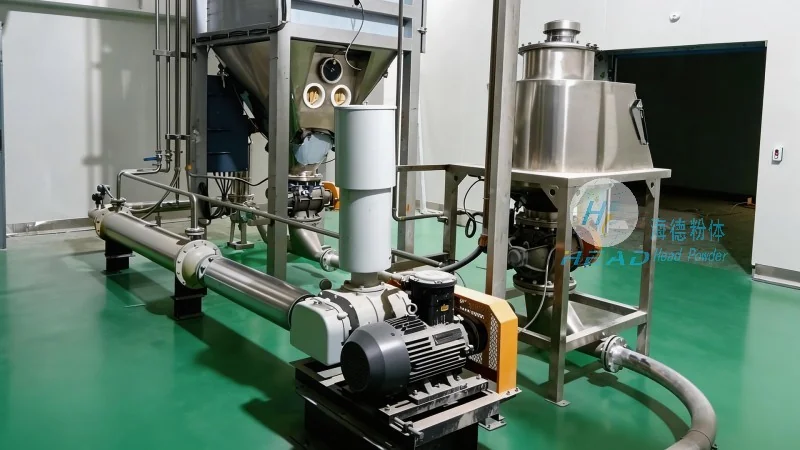
Company Information: Shandong HeadPowder Engineering Co., Ltd.
Shandong HeadPowder Engineering Co., Ltd., commonly known as HeadPowder, is a leading manufacturer of industrial material handling equipment. The company specializes in designing and manufacturing a wide range of intermittent material handling solutions tailored to the needs of various industries. With a focus on quality, innovation, and customer satisfaction, HeadPowder has established itself as a trusted partner for businesses seeking reliable and efficient material handling solutions. The company's products are designed to meet international standards and are equipped with advanced features that enhance performance and safety. HeadPowder's commitment to research and development ensures that its equipment remains at the forefront of industrial technology, providing customers with cutting-edge solutions that meet their evolving needs. The company's headquarters is located in Shandong, China, where it has a state-of-the-art manufacturing facility and a team of experienced engineers and technicians dedicated to delivering high-quality products and excellent customer service.