With more than 10‑year industry experience, Shandong Headpowder delivers full‑service pneumatic‑conveying systems and blowers, undertaking nationwide turn‑key powder‑handling projects.
Paint material conveying systems are essential components in the industrial production of coatings, ensuring the efficient and safe transport of raw materials and finished products. This article will explore the working principles and key features of such systems, providing insights into their design and operational benefits.
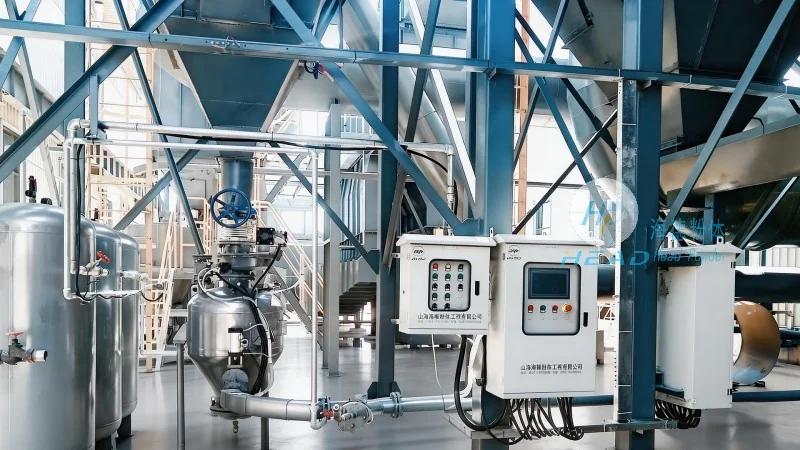
At the core of a paint material conveying system is a combination of mechanical components designed to move materials through a production line. The process typically begins with the storage of raw materials, such as pigments, solvents, and additives, in bulk containers or silos. From there, the materials are transferred to a feeding unit, which may include hoppers or feeders that regulate the flow rate and consistency of the material.
The conveying mechanism itself can vary depending on the system design. Common methods include pneumatic conveying, where air pressure is used to transport powders or liquids through pipelines, and mechanical conveying, which uses belts, screws, or chains to move materials. In many industrial applications, a hybrid approach is employed, combining both pneumatic and mechanical elements to optimize efficiency and material handling capabilities.
Once the material reaches the processing stage, it may undergo further mixing, blending, or filtration before being transferred to the final packaging or storage area. The system is often integrated with control systems that monitor flow rates, pressure, and temperature, ensuring consistent performance and preventing issues like clogging or material degradation.
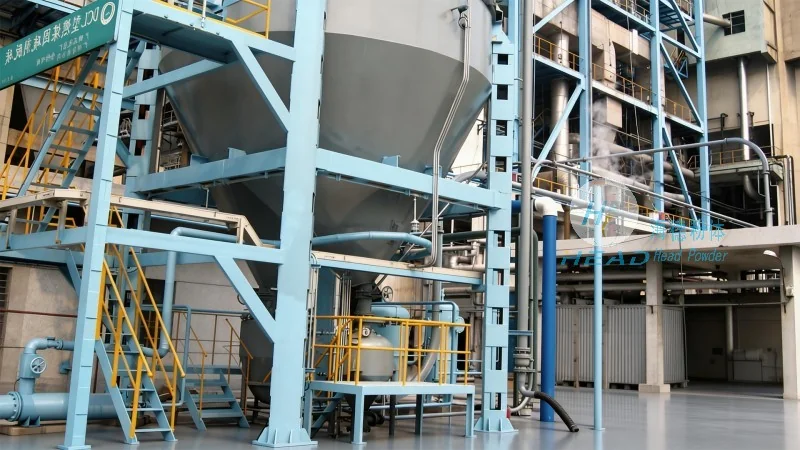
Several critical features distinguish effective paint material conveying systems, making them indispensable in modern coating production. One of the most important features is the ability to handle a wide range of materials, from fine powders to viscous liquids, with minimal degradation or contamination. This versatility is achieved through adjustable feeding mechanisms and specialized conveying components that can accommodate different particle sizes and flow characteristics.
Another key feature is the system's efficiency and reliability. High-quality paint material conveying systems are designed for continuous operation, minimizing downtime and maximizing production throughput. This is supported by robust construction, regular maintenance protocols, and advanced control technologies that ensure smooth and consistent material flow.
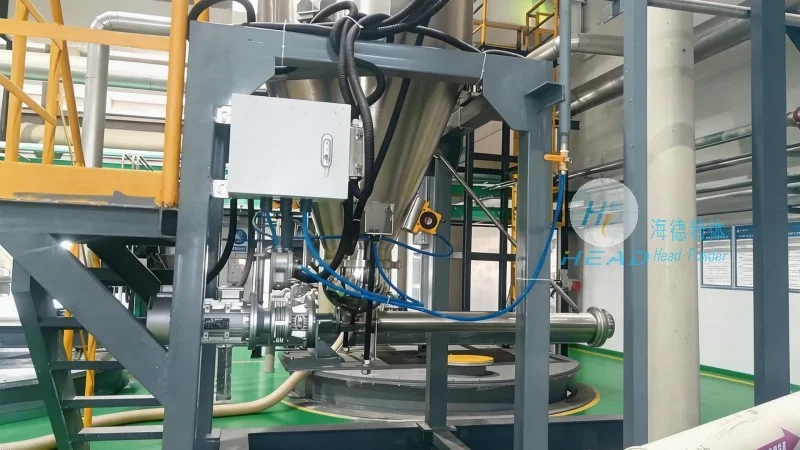
Additionally, safety is a paramount consideration in paint material handling. Modern systems incorporate safety features such as pressure relief valves, emergency stop mechanisms, and enclosed conveyor systems to prevent dust emissions and protect operators from hazardous materials. Environmental considerations are also addressed through dust collection systems and proper ventilation, ensuring compliance with industrial safety standards.
Shandong HeadPowder Engineering Co., Ltd. is a leading provider of specialized engineering solutions for the coating and material handling industries. With a focus on innovation and customer-centric design, the company has established itself as a trusted partner for businesses seeking reliable and efficient paint material conveying systems. HeadPowder's expertise lies in customizing systems to meet specific production requirements, ensuring optimal performance and cost-effectiveness for clients.
HeadPowder's facilities are located in Shandong, China, where the company leverages local resources and industry expertise to deliver high-quality products and services. The company's commitment to quality is reflected in its adherence to international standards and rigorous testing protocols, ensuring that every system meets the highest industry benchmarks. By combining advanced technology with practical application knowledge, HeadPowder continues to enhance the efficiency and safety of material handling processes in the coating sector.

 Shandong Headpowder Engineering Co., Ltd.
 156-6277-7102(Manager Zhang)
  0531-83386006
  Zhangqiu District, Jinan City, Shandong Province, China
telephone
WeChatconsult
top