With more than 10‑year industry experience, Shandong Headpowder delivers full‑service pneumatic‑conveying systems and blowers, undertaking nationwide turn‑key powder‑handling projects.
PTFE (Polytetrafluoroethylene) powder conveyors are specialized equipment designed to handle and transport PTFE powders efficiently. These systems are engineered to address the unique challenges associated with PTFE material properties, such as its low friction, chemical inertness, and fine particle size. The working principle and features of PTFE powder conveyors are critical for ensuring reliable operation in industrial applications.
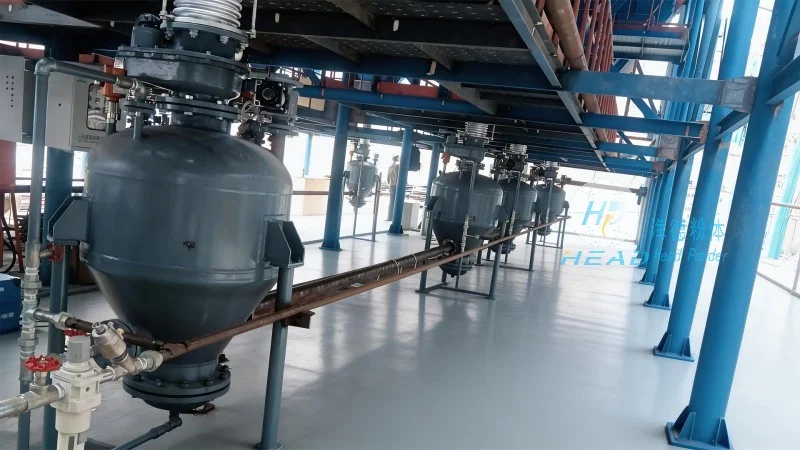
The core working principle of PTFE powder conveyors revolves around the use of positive displacement or pneumatic conveying mechanisms to move PTFE powders from a source to a destination. Positive displacement conveyors, such as rotary lobe or screw conveyors, utilize mechanical components to push the powder through a sealed system. This method is particularly effective for handling PTFE powders that are prone to caking or bridging, as the mechanical action prevents material buildup and ensures consistent flow. Pneumatic conveyors, on the other hand, use compressed air to transport PTFE powders in a closed pipeline. This approach is ideal for applications requiring high flexibility and minimal maintenance, as it eliminates the need for moving parts in the conveying line.
In both types of systems, the PTFE powder is typically fed into a hopper or storage container. From there, it is transferred to the conveyor mechanism. The conveyor then moves the powder through a series of pipes or channels to the discharge point. The design of the conveyor system, including the choice of materials for the hopper, pipes, and seals, is crucial to prevent PTFE from sticking or degrading due to contact with other substances. For instance, PTFE conveyor components are often made from stainless steel or other corrosion-resistant materials to maintain the purity of the powder and ensure long-term performance.
PTFE powder conveyors are characterized by several key features that make them suitable for handling PTFE materials. One of the most important features is their ability to maintain the purity of the PTFE powder. Since PTFE is highly resistant to chemicals and does not react with most substances, the conveyor system must be constructed from materials that do not introduce contaminants. This is typically achieved by using stainless steel, PTFE-coated components, or other inert materials for the internal surfaces of the hopper, pipes, and seals.
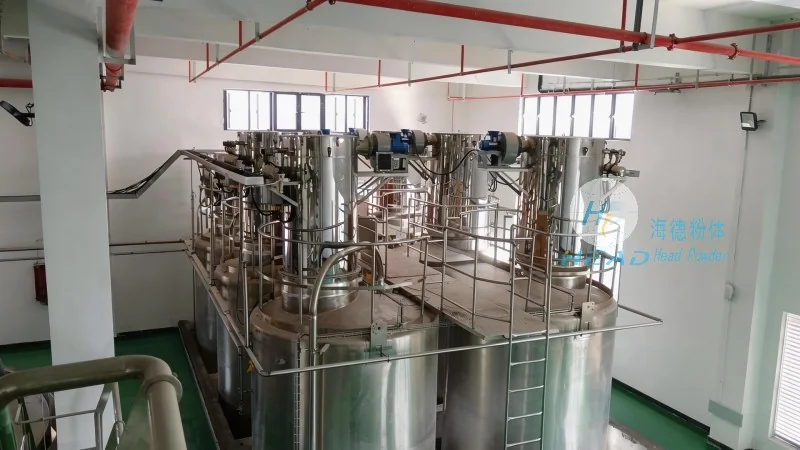
Another critical feature is the system's ability to handle fine PTFE powders without causing clogging or blockages. The design of the conveyor, including the size of the hopper inlet, the speed of the conveyor mechanism, and the angle of the discharge, is optimized to prevent powder bridging or agglomeration. This ensures a smooth and continuous flow of PTFE, which is essential for maintaining production efficiency and product quality.
Efficiency and reliability are also key features of PTFE powder conveyors. These systems are engineered to operate with minimal downtime and maintenance. The use of positive displacement mechanisms reduces the risk of air leaks or pressure drops, which can disrupt the flow of PTFE powders. Additionally, the sealed design of the conveyor prevents dust emissions and protects the environment from PTFE particles, which are known to be hazardous if inhaled.
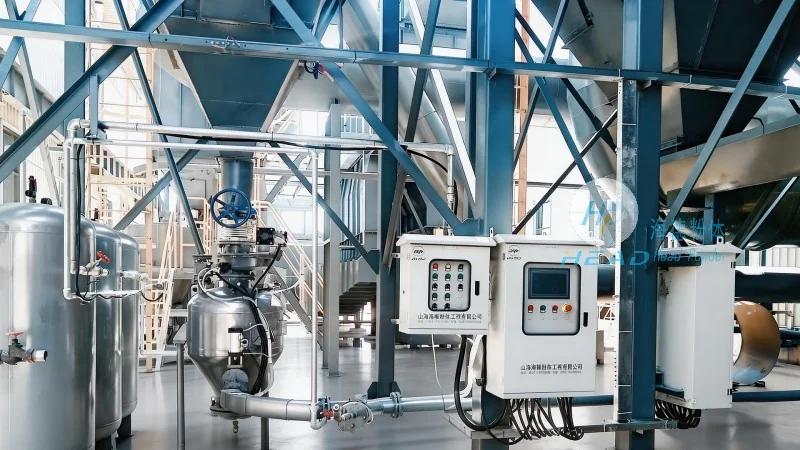
The features of PTFE powder conveyors are tailored to meet the specific needs of various industrial applications. For example, in the chemical industry, PTFE powder conveyors are used to transport PTFE powders to reactors or processing equipment. The ability of these systems to handle PTFE without degradation ensures that the final product maintains its high-quality properties. In the semiconductor industry, PTFE powder conveyors are used to transport PTFE powders for coating or insulation applications. The precision and reliability of these systems are critical to achieving consistent and high-performance results.
In the pharmaceutical industry, PTFE powder conveyors are used to transport PTFE powders for medical device manufacturing. The hygienic design of these systems, including smooth surfaces and easy-to-clean components, ensures that the PTFE powders remain free from contaminants, which is essential for meeting regulatory standards. The ability of PTFE powder conveyors to handle fine powders without clogging also makes them suitable for applications where precision and consistency are paramount.
PTFE powder conveyors are essential equipment for industries that rely on PTFE materials. The working principle of these systems, which combines mechanical or pneumatic conveying with specialized materials, ensures efficient and reliable transport of PTFE powders. The key features of PTFE powder conveyors, including their ability to maintain purity, handle fine powders without clogging, and operate with high efficiency and reliability, make them a preferred choice for various industrial applications. As a leading manufacturer of PTFE processing equipment, Shandong HeadPowder Engineering Co., Ltd. specializes in designing and manufacturing PTFE powder conveyors that meet the specific needs of its clients. With a focus on quality and innovation, HeadPowder provides solutions that enhance production efficiency and product quality in PTFE processing applications.

 Shandong Headpowder Engineering Co., Ltd.
 156-6277-7102(Manager Zhang)
  0531-83386006
  Zhangqiu District, Jinan City, Shandong Province, China
telephone
WeChatconsult
top