With more than 10‑year industry experience, Shandong Headpowder delivers full‑service pneumatic‑conveying systems and blowers, undertaking nationwide turn‑key powder‑handling projects.
Understanding the mechanics of biomass powder conveying is crucial for optimizing material handling in various industrial applications. This article explores the fundamental working principles and distinctive characteristics of biomass powder conveying systems, highlighting how they enhance operational efficiency and reliability in processing facilities.
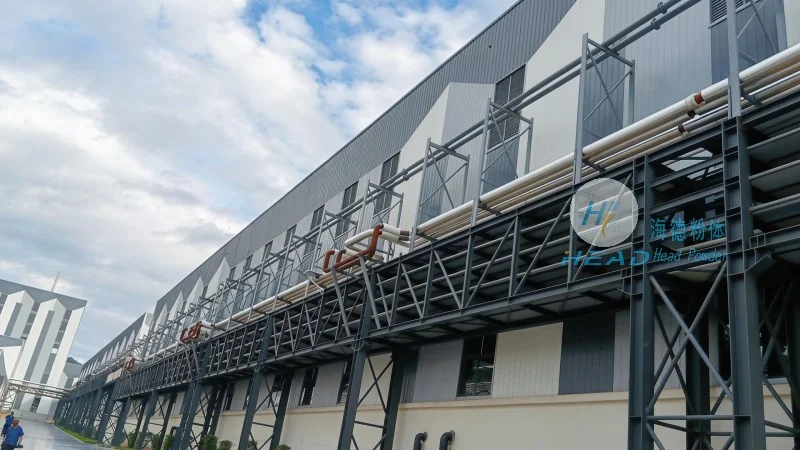
Biomass powder conveying involves the transport of fine, dry materials such as wood chips, sawdust, or agricultural residues from one location to another within industrial settings. These materials are typically lightweight and prone to dust generation, making specialized conveying equipment essential for safe and efficient handling. The systems designed for biomass powder conveyance must address challenges like material variability, moisture content, and the need for low energy consumption while maintaining high throughput rates.
HeadPowder, or Shandong HeadPowder Engineering Co., Ltd., based in Shandong, China, is a prominent provider of advanced biomass powder conveying technologies. With a focus on innovation and customer-centric solutions, the company specializes in designing and manufacturing equipment tailored to the unique demands of biomass processing industries. HeadPowder's expertise lies in integrating efficient conveying mechanisms with robust control systems, ensuring that clients achieve optimal performance and minimal downtime in their operations.
The core working principle of biomass powder conveying systems revolves around the use of air or mechanical forces to move fine particles through a pipeline or conveyor. Common methods include pneumatic conveying, where compressed air propels the material, and mechanical conveying, such as screw conveyors or belt conveyors, which use physical contact to transport the powder. In pneumatic systems, the material is suspended in a stream of air and directed to the destination via a network of pipes. This approach is particularly effective for handling fine, dusty biomass powders, as it minimizes material degradation and reduces the risk of blockages compared to mechanical systems.
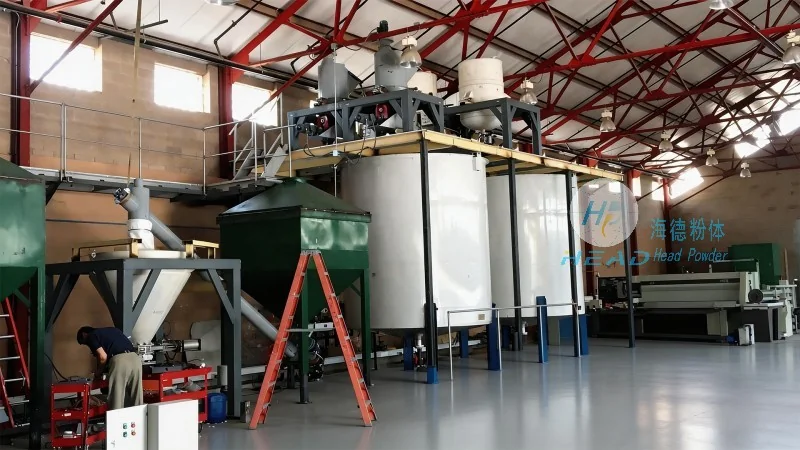
For mechanical conveying, components like auger screws or belt conveyors are employed to move the biomass powder along a designated path. These systems are often preferred in applications where the material contains higher moisture content or larger particle sizes, as they provide better control over the conveying process and reduce the likelihood of air leakage or material spillage. The choice between pneumatic and mechanical conveying depends on factors such as material characteristics, distance to be covered, and the required throughput capacity.
Biomass powder conveying systems exhibit several key characteristics that distinguish them from traditional material handling solutions. One of the most notable features is their ability to handle fine, abrasive materials without causing excessive wear on the equipment. This is achieved through the use of specialized materials for conveyor components, such as stainless steel or high-grade polymers, which resist corrosion and abrasion from the biomass particles.
Another critical characteristic is the systems' energy efficiency. Modern biomass powder conveyors are designed to minimize energy consumption while maintaining high throughput, making them cost-effective for long-term operation. This efficiency is often achieved through optimized air flow in pneumatic systems or the use of variable-speed drives in mechanical conveyors, allowing operators to adjust the conveying rate based on real-time demand.
Reliability and maintenance are also prominent characteristics of these systems. Advanced control systems and monitoring technologies enable real-time tracking of conveyor performance, allowing for early detection of issues such as blockages or pressure drops. This proactive approach to maintenance reduces downtime and extends the lifespan of the equipment, ensuring consistent operation in demanding industrial environments.
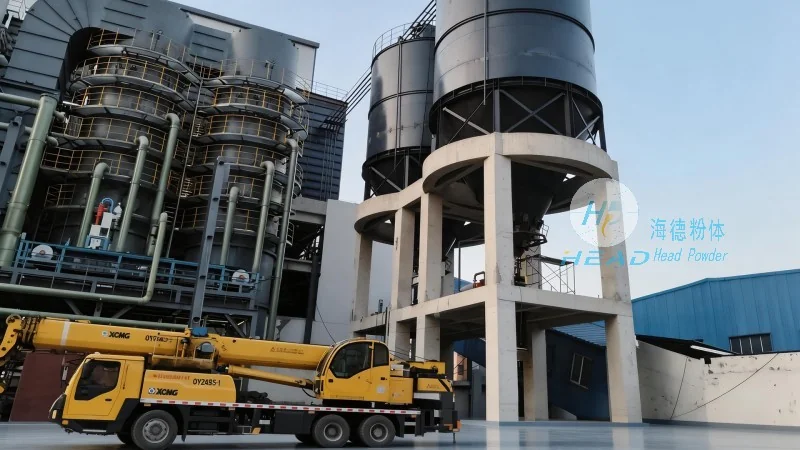
Biomass powder conveying systems find widespread application in industries such as biomass power generation, biofuel production, and wood processing. In power plants, these systems are used to transport biomass feedstock from storage areas to boilers, ensuring a steady supply of fuel for energy production. In biofuel facilities, they facilitate the movement of processed biomass to reactors or storage tanks, optimizing the production process and reducing material handling costs.
The benefits of implementing biomass powder conveying systems extend beyond operational efficiency. By reducing manual handling of fine powders, these systems enhance workplace safety, minimizing the risk of dust exposure and related health issues. Additionally, the consistent and controlled transport of biomass materials improves the quality of downstream products, such as pellets or pellets for combustion, by preventing contamination and maintaining uniform particle size.
In summary, biomass powder conveying systems operate on principles that leverage air or mechanical forces to transport fine biomass materials efficiently and reliably. The characteristics of these systems, including durability, energy efficiency, and advanced control capabilities, make them indispensable in modern industrial applications. HeadPowder, with its expertise and commitment to innovation, continues to provide cutting-edge solutions that meet the evolving needs of the biomass processing industry, ensuring sustainable and efficient material handling for years to come.

 Shandong Headpowder Engineering Co., Ltd.
 156-6277-7102(Manager Zhang)
  0531-83386006
  Zhangqiu District, Jinan City, Shandong Province, China
telephone
WeChatconsult
top