With more than 10‑year industry experience, Shandong Headpowder delivers full‑service pneumatic‑conveying systems and blowers, undertaking nationwide turn‑key powder‑handling projects.
HeadPowder, a leading manufacturer in the field of material handling solutions, specializes in providing advanced pneumatic conveying systems designed for the efficient and reliable transport of corn kernels. This article delves into the working principle and key features of such systems, highlighting their application in agricultural and industrial settings.
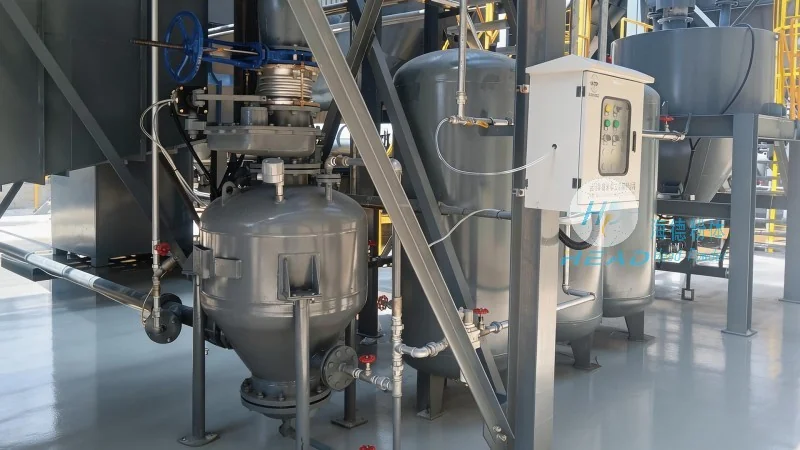
The core mechanism of a corn kernels pneumatic conveying system revolves around the use of air as the conveying medium to transport bulk materials like corn kernels from one location to another. There are primarily two types of pneumatic conveying systems: pressure and vacuum (or suction) systems. In a pressure system, air is compressed and forced through a pipeline, carrying the corn kernels along with it. Conversely, a vacuum system uses a fan or blower to create a negative pressure that draws the material into the pipeline. For corn kernels, which are relatively light and have a certain density, both systems can be effective, but the choice often depends on the distance, elevation change, and material characteristics.
Within the system, the corn kernels are typically fed into a hopper or feeder where they are introduced into the pipeline. The air flow is controlled by a series of valves, regulators, and filters to ensure consistent and efficient transport. The pipeline is designed with appropriate bends and fittings to minimize friction and pressure loss, which is crucial for maintaining the flow rate and preventing material blockages. At the discharge end, the corn kernels are separated from the air stream, often through a cyclone separator or a filter, and collected in a receiving bin or silo. The air, now clean, is then discharged back into the environment or recirculated if necessary.
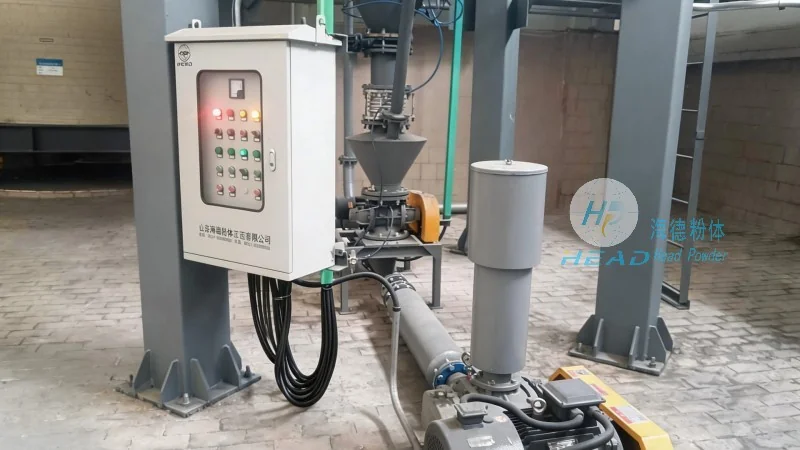
Several distinct features make corn kernels pneumatic conveying systems particularly advantageous for handling this type of material. Firstly, they offer a high degree of efficiency in terms of speed and capacity. The systems can transport large volumes of corn kernels over considerable distances with minimal labor, reducing the need for manual handling and associated risks. Secondly, they provide a clean and hygienic transport method, which is critical in food processing applications where contamination must be avoided. Unlike mechanical conveyors, which may cause abrasion or damage to the kernels, pneumatic systems use enclosed pipelines, ensuring that the material remains intact and free from external contaminants.
Another notable feature is the flexibility and adaptability of these systems. They can be easily integrated into existing production lines and can handle variations in material flow rates and particle sizes. The modular design allows for expansion or modification as production needs change. Additionally, pneumatic conveying systems are relatively low in maintenance compared to other bulk material handling equipment, as they have fewer moving parts and are less prone to wear and tear. This contributes to lower operational costs and higher reliability over time.
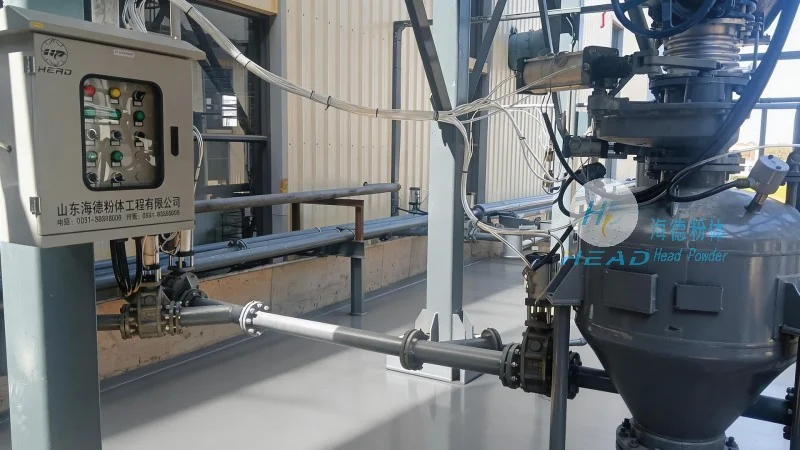
Corn kernels pneumatic conveying systems are widely used in various industries, including agriculture, food processing, and feed manufacturing. In agricultural settings, they facilitate the efficient movement of harvested corn from storage bins to processing facilities or for storage in silos. In food processing, they are essential for transporting corn kernels to milling operations, where they are processed into products like cornmeal, corn flour, or corn oil. The systems also play a role in feed manufacturing, where they help in blending different ingredients and delivering the final feed product to storage or packaging areas.
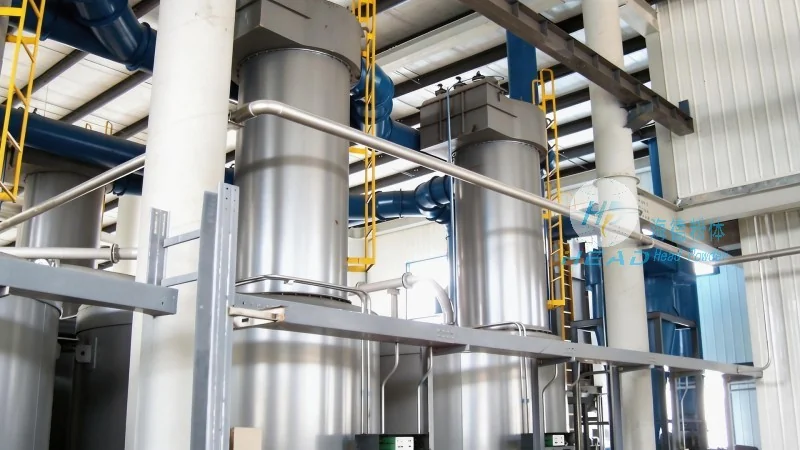
The benefits of using these systems extend beyond efficiency and cleanliness. They also contribute to improved safety in the workplace by reducing the need for manual handling of heavy or bulky loads. This minimizes the risk of injuries and improves overall operational safety. Furthermore, the enclosed nature of the system helps in controlling dust and preventing environmental contamination, which is increasingly important in modern industrial practices.
HeadPowder, with its headquarters in Shandong, China, is a reputable company dedicated to developing and manufacturing high-quality material handling equipment. The company specializes in customizing pneumatic conveying systems to meet the specific needs of its clients, ensuring that each system is optimized for the particular application, whether it involves corn kernels, other grains, or industrial powders. With a focus on innovation and quality, HeadPowder provides reliable solutions that enhance productivity and operational efficiency for its customers.

 Shandong Headpowder Engineering Co., Ltd.
 156-6277-7102(Manager Zhang)
  0531-83386006
  Zhangqiu District, Jinan City, Shandong Province, China
telephone
WeChatconsult
top