

Working Principle and Features of Sintered Dust Pneumatic Conveying Systems
For industrial applications involving the handling of sintered dust, efficient and reliable material transport is crucial. The sintered dust pneumatic conveying system, developed by Shandong HeadPowder Engineering Co., Ltd., offers a sophisticated solution to meet these demands. This article explores the working principle and key features of such systems, highlighting their advantages in material handling processes.

Introduction to Sintered Dust Pneumatic Conveying Systems
Sintered dust, a byproduct from sintering processes in metallurgical industries, requires specialized handling due to its fine particle size and potential for dust explosions. Pneumatic conveying systems provide a safe and effective method to transport these materials over long distances without the need for mechanical components that could cause contamination or damage. The system utilizes compressed air or gas to move the dust through a pipeline network, ensuring minimal product degradation and environmental compliance.
Working Principle of the Sintered Dust Pneumatic Conveying System
The core mechanism of the sintered dust pneumatic conveying system involves the creation of a pressure differential within the conveying line. Compressed air is introduced into the system, typically at the inlet point, where it mixes with the sintered dust particles. This mixture is then propelled through the pipeline by the force of the air flow. The system can operate in either positive pressure or negative pressure modes, depending on the specific application requirements. In positive pressure systems, air is blown into the line, while negative pressure systems draw material into the line using suction. The design of the system, including the choice of air velocity and pipeline diameter, is critical to ensure efficient transport without causing excessive wear or pressure losses.
Key Features and Advantages
Shandong HeadPowder Engineering Co., Ltd. has integrated several advanced features into their sintered dust pneumatic conveying systems to enhance performance and reliability. These features include:
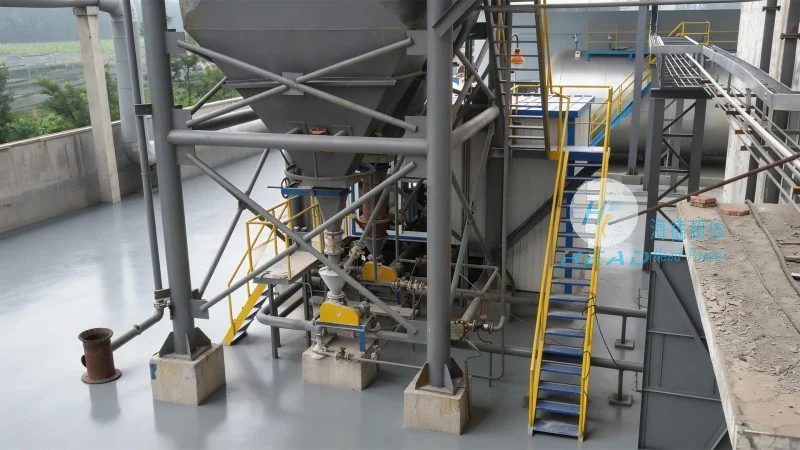
1. High Efficiency and Low Maintenance: The system is engineered for minimal energy consumption and reduced maintenance requirements. The use of robust materials and efficient air management reduces operational costs over time. Regular maintenance is simplified due to the absence of complex mechanical parts that are prone to wear in dusty environments.
2. Dust-Free and Clean Operation: By utilizing enclosed pipelines and controlled air flow, the system prevents dust leakage into the environment, ensuring compliance with environmental regulations. This also protects the material from contamination, which is essential for downstream processes such as sintering or further processing.
3. Versatility in Material Handling: The system can handle a wide range of sintered dust characteristics, including varying particle sizes, moisture content, and bulk density. This flexibility allows it to be adapted to different industrial applications, from small-scale laboratory use to large-scale production lines.
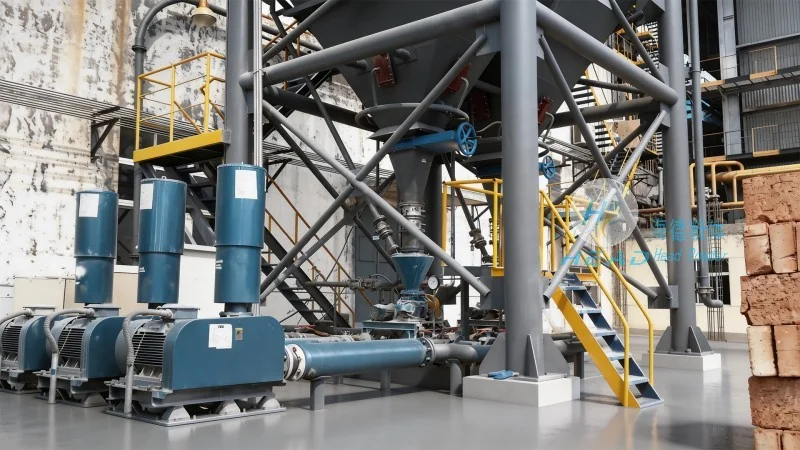
4. Safe and Explosion-Proof Design: Given the potential for dust explosions in sintering processes, the system incorporates safety features such as explosion vents and flame arrestors. These components help to mitigate the risk of fire or explosion, providing a secure working environment for operators and equipment.
Application Scenarios
The sintered dust pneumatic conveying systems from Shandong HeadPowder Engineering Co., Ltd. are widely used in various industrial sectors. Common applications include:
1. Metallurgical Industry: Transporting sintered dust from sintering furnaces to storage silos or processing units. This is critical for maintaining production continuity and ensuring the efficient use of raw materials.
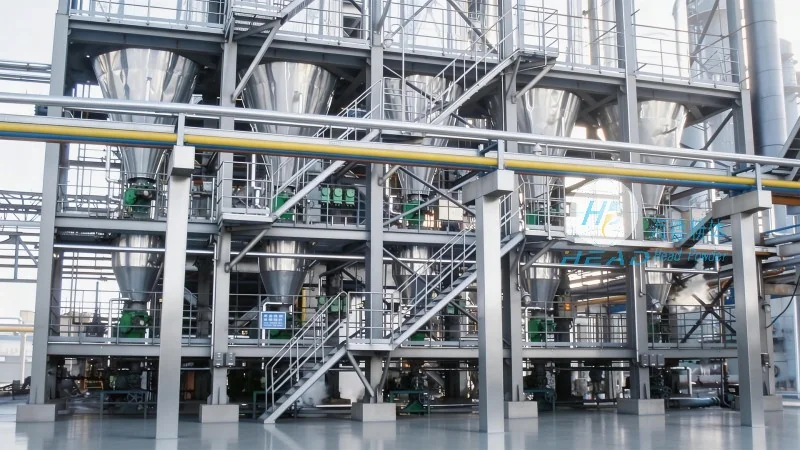
2. Cement and Construction Materials: Handling fine powders that are used in the production of cement, concrete, and other building materials. The system ensures that these powders are transported without loss or contamination.
3. Chemical Manufacturing: Conveying sintered dust in chemical plants, where the material may be used as a raw ingredient or byproduct in various chemical processes.
Conclusion
Shandong HeadPowder Engineering Co., Ltd. offers advanced sintered dust pneumatic conveying systems that combine efficiency, safety, and reliability. By understanding the working principle and key features of these systems, industries can optimize their material handling processes, reduce operational costs, and enhance overall productivity. The company's commitment to quality and innovation ensures that their solutions meet the evolving needs of modern industrial applications.