

Principles and Features of Maltose Pneumatic Conveying
Maltose, a disaccharide sugar derived from starch hydrolysis, is widely used in the food and beverage industry as a sweetener and flavor enhancer. The efficient handling of maltose powder is crucial for industrial production processes, and pneumatic conveying systems offer a reliable solution for transporting this material. This article explores the working principles and key characteristics of maltose pneumatic conveying, highlighting the technology's advantages and practical applications.
Working Principle of Maltose Pneumatic Conveying
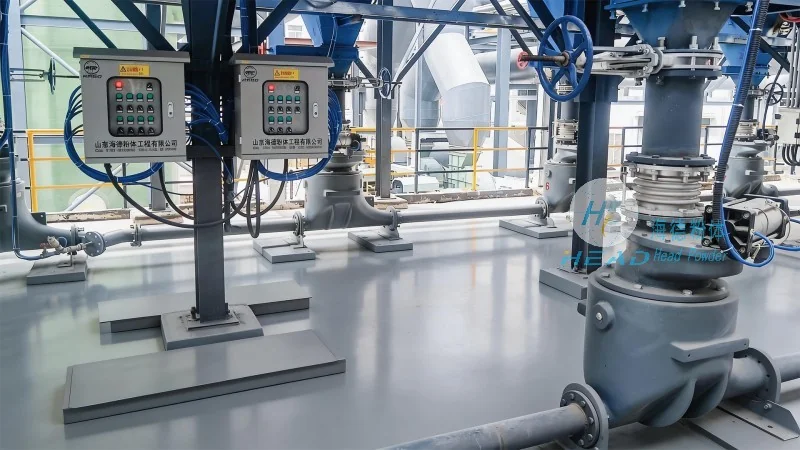
The core mechanism of maltose pneumatic conveying involves the use of compressed air to transport solid particles, such as maltose powder, through a pipeline system. The process typically operates on one of two fundamental principles: dilute-phase or dense-phase conveying. In dilute-phase systems, the material is suspended in a high-velocity air stream, allowing for long-distance transport with minimal pressure drop. Dense-phase conveying, on the other hand, uses lower air velocities and higher material concentrations, resulting in slower but more controlled movement, which is beneficial for handling sensitive or abrasive materials like maltose.
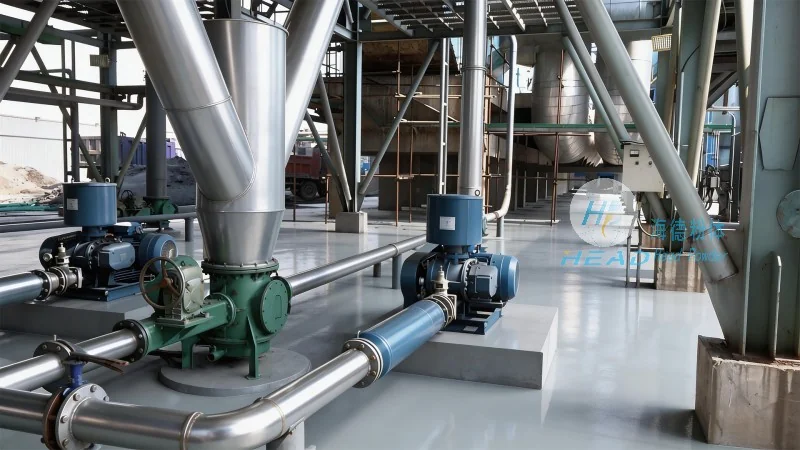
For maltose, the dilute-phase method is commonly employed due to its ability to handle fine powders efficiently. The system consists of a hopper where the maltose is stored, a feeder that controls the material flow, a compressor that generates the necessary air pressure, and a pipeline network that transports the material to the destination. The compressed air is introduced into the pipeline, creating a flow that lifts and propels the maltose particles. The velocity of the air is critical; it must be sufficient to keep the particles suspended but not so high as to cause excessive wear on the equipment or degrade the maltose quality.
Key Features and Advantages of Maltose Pneumatic Conveying
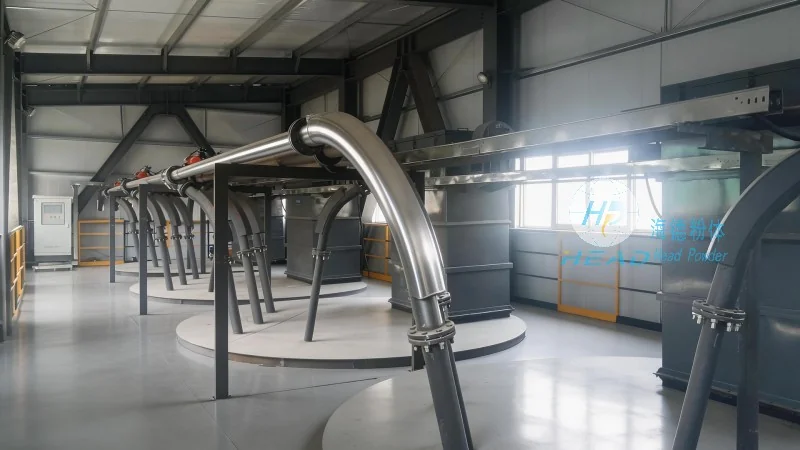
Several distinct features make pneumatic conveying an attractive option for maltose handling. First, it is a closed system, which helps maintain product purity and prevents contamination from external sources. This is particularly important for food-grade materials like maltose, where hygiene and quality control are paramount. Second, the technology offers high flexibility in terms of layout, as the pipeline can be configured to follow existing factory structures, minimizing space requirements and installation costs.
Another significant advantage is the ability to handle maltose in a dust-free environment. Unlike mechanical conveyors, which may generate dust and cause health hazards, pneumatic systems contain the material within the pipeline, reducing the risk of inhalation and improving workplace safety. Additionally, the system can be integrated with other processing equipment, such as mixers or reactors, allowing for seamless material transfer and enhancing overall production efficiency.
From a maintenance perspective, pneumatic conveying systems are relatively simple and require less frequent maintenance compared to mechanical alternatives. The absence of moving parts in the conveying line reduces wear and tear, and the system is easy to clean and sanitize, which is essential for food processing applications. Furthermore, the technology can be scaled to accommodate varying production volumes, making it suitable for both small-scale and large-scale maltose processing facilities.
Applications and Considerations in Maltose Processing
Maltose pneumatic conveying is widely used in various stages of maltose production and processing. For instance, it is employed in the transfer of maltose from storage silos to processing lines, in the feeding of maltose into mixing tanks, and in the distribution of maltose to packaging units. The system's ability to handle fine powders without clogging or bridging makes it ideal for these applications.
When implementing a maltose pneumatic conveying system, several factors must be considered to ensure optimal performance. The particle size and moisture content of the maltose are critical, as these affect the air velocity required for suspension. Coarser particles may require higher air speeds, while higher moisture content can lead to agglomeration, which can impede flow. The system's design must also account for the material's flow properties, such as its angle of repose and compressibility, to prevent blockages and ensure smooth operation.
Additionally, the choice between dilute-phase and dense-phase conveying depends on the specific application. For example, dense-phase systems are preferred when transporting maltose over short distances or when the material is sensitive to high velocities, as they provide more controlled and gentle handling. Conversely, dilute-phase systems are suitable for long-distance transport where speed and efficiency are prioritized.
About Shandong HeadPowder Engineering Co., Ltd.
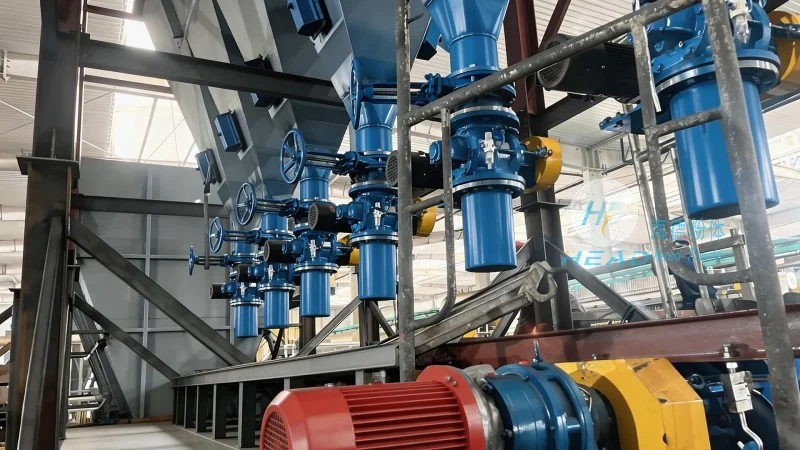
Shandong HeadPowder Engineering Co., Ltd., operating under the brand name HeadPowder, is a leading provider of industrial conveying solutions, including specialized systems for maltose and other food-grade powders. With a focus on innovation and quality, the company designs and manufactures pneumatic conveying equipment tailored to the unique needs of the food and beverage industry. HeadPowder's expertise lies in creating efficient, hygienic, and reliable systems that meet the stringent standards of food processing, ensuring product integrity and operational efficiency.
HeadPowder's facilities are located in Shandong, China, where the company leverages advanced technology and experienced engineering teams to develop cutting-edge solutions. The company's commitment to customer satisfaction and product excellence has established it as a trusted partner for businesses seeking to optimize their maltose handling processes. By combining technical expertise with practical application knowledge, HeadPowder delivers systems that enhance productivity while maintaining the highest standards of safety and compliance.