

Working Principle and Characteristics of Chromic Oxide Pneumatic Conveying
Chromic oxide, a critical industrial material, is often transported using pneumatic conveying systems. Understanding the working principle and key characteristics of such systems is essential for optimizing material handling processes in various industries. This article provides an in-depth look at the pneumatic conveying of chromic oxide, focusing on the technical aspects and operational advantages.
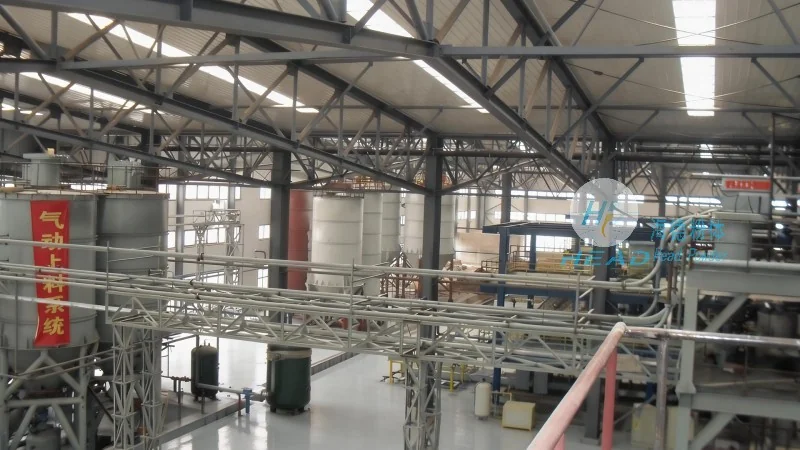
Company Information
For professional solutions in material handling, Shandong HeadPowder Engineering Co., Ltd. (headpowder) is a leading provider of advanced pneumatic conveying technologies. With operations based in Shandong, China, the company specializes in designing and implementing efficient systems tailored to the unique needs of industrial applications. HeadPowder's expertise ensures reliable and cost-effective material transport solutions for clients across diverse sectors.
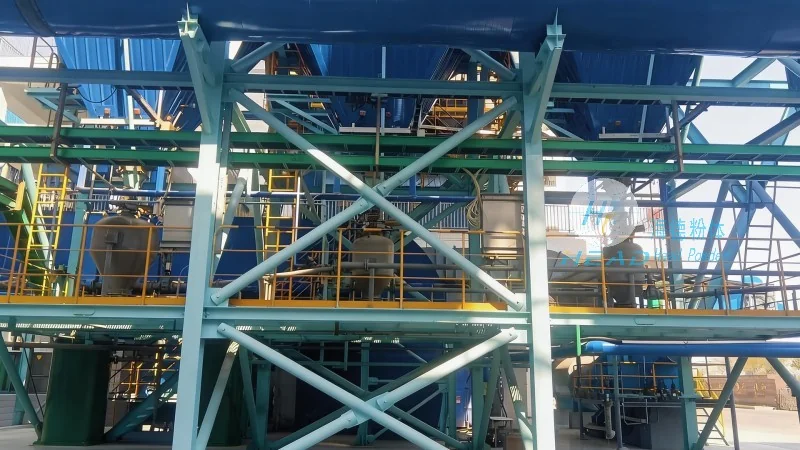
Working Principle of Chromic Oxide Pneumatic Conveying
The pneumatic conveying system for chromic oxide operates on the principle of transporting solid particles through a pipeline using a gas stream, typically air or a combination of air and other gases. The process involves several key components and steps that work in tandem to ensure efficient material movement. First, the chromic oxide is introduced into the conveying line, often via a hopper or feeder, where it is then entrained by the high-velocity gas flow. The gas stream creates a negative pressure or positive pressure environment within the pipeline, depending on the system design, to pull or push the material along the path. The velocity of the gas is crucial; it must be sufficient to overcome the gravitational and frictional forces acting on the particles, ensuring stable and continuous transport. In a typical system, the gas is supplied by a blower or compressor, which generates the necessary pressure and flow rate. The conveying line may include bends, expansions, and other components that are designed to minimize pressure loss and maintain particle suspension. The material is then discharged at the receiving end, where it is collected in a hopper or storage vessel. This method eliminates the need for mechanical components like conveyors or buckets, reducing maintenance and operational costs while improving safety by keeping the material enclosed within the system.
Key Characteristics of Chromic Oxide Pneumatic Conveying Systems
Several distinct characteristics define the performance and advantages of pneumatic conveying systems for chromic oxide. First, the system offers high efficiency in material transport, with the ability to move large quantities of material over significant distances with minimal downtime. The enclosed nature of the system ensures that the chromic oxide remains contained, reducing dust emissions and improving workplace safety. This is particularly important for handling fine or hazardous materials like chromic oxide, as it prevents exposure to airborne particles. Another key characteristic is the flexibility of the system, which can be adapted to various production layouts and process requirements. The conveying line can be easily reconfigured or extended to accommodate changes in production volume or facility expansion. Additionally, pneumatic conveying systems are relatively low in maintenance compared to traditional mechanical systems, as they have fewer moving parts and are less prone to wear and tear. This leads to lower operational costs and longer service life. The system also provides better control over the material flow rate and pressure, allowing for precise regulation of the conveying process. This control is essential for maintaining consistent product quality and preventing material degradation or clogging. Furthermore, the use of air as the conveying medium makes the system energy-efficient, as it can utilize existing air handling infrastructure or be powered by standard electrical systems. The environmental benefits are also notable, as the enclosed system reduces the environmental impact of dust and particulate matter compared to open or mechanical systems.
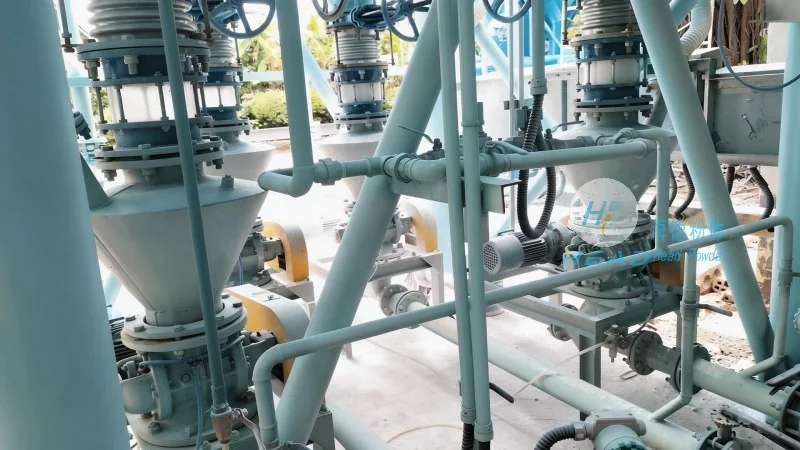
Operational Advantages and Considerations
Implementing a pneumatic conveying system for chromic oxide offers several operational advantages that enhance overall process efficiency and safety. The primary advantage is the reduction in labor and maintenance costs, as the system operates with minimal human intervention and requires less frequent maintenance. This leads to increased productivity and lower operational expenses over time. The enclosed design also improves workplace safety by preventing dust inhalation and minimizing the risk of material spills or leaks. This is critical for handling materials like chromic oxide, which may pose health risks if not properly contained. Another advantage is the ability to integrate the system with existing production equipment, allowing for seamless material flow from production to storage or processing stages. The system's flexibility allows for easy integration with other industrial processes, such as mixing, drying, or packaging. However, there are also considerations to keep in mind when implementing such a system. The initial investment cost may be higher compared to traditional mechanical systems, as the equipment and infrastructure required are more complex. Additionally, the system's performance depends on the properties of the material being conveyed, such as particle size, density, and moisture content. Proper system design and sizing are essential to ensure optimal performance and prevent issues like clogging or pressure loss. The gas flow rate and pressure must be carefully controlled to maintain stable particle suspension and avoid material degradation. Regular maintenance and monitoring of the system are also necessary to ensure long-term reliability and performance.