

What is a tailings slurry pneumatic conveying line? What are its design principles?
When it comes to managing tailings, a critical aspect of mining operations is the efficient and safe transportation of these materials. A tailings slurry pneumatic conveying line is a specialized system designed to handle the transport of tailings slurry, which is a mixture of fine particles and water generated during mineral processing. This technology plays a vital role in modern mining, offering a solution to the challenges associated with traditional bulk material handling methods.
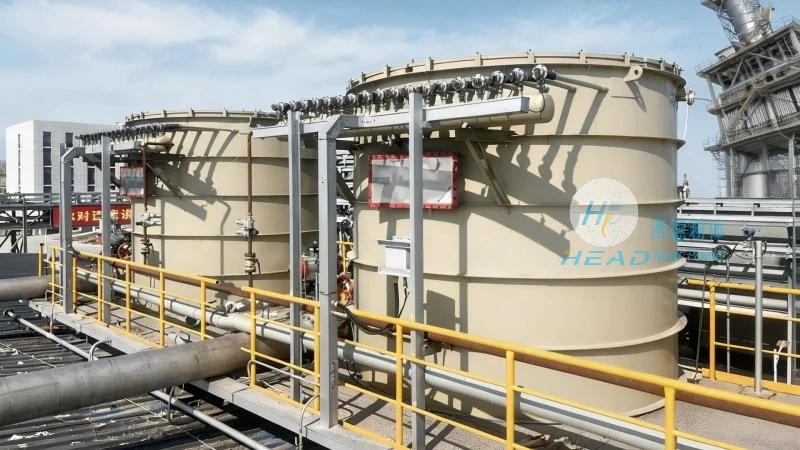
Introduction to Tailings Slurry Pneumatic Conveying Lines
Tailings, often referred to as mine waste, are the byproducts of ore processing. They consist of fine mineral particles that are too small to be economically recovered. The conventional methods of transporting tailings, such as trucks or conveyors, can be costly, environmentally unfriendly, and inefficient, especially when dealing with large volumes over long distances. In contrast, pneumatic conveying systems use air pressure to move the slurry through a network of pipes, providing a more sustainable and effective solution.
HeadPowder's Expertise in Tailings Slurry Handling Solutions
Shandong HeadPowder Engineering Co., Ltd., commonly known as HeadPowder, is a leading provider of engineering solutions for tailings management. With operations based in Shandong, China, HeadPowder specializes in the design, manufacturing, and installation of advanced pneumatic conveying systems tailored to the unique needs of mining and mineral processing industries. The company's expertise lies in understanding the complexities of tailings slurry properties and translating them into reliable, high-performance conveying solutions.
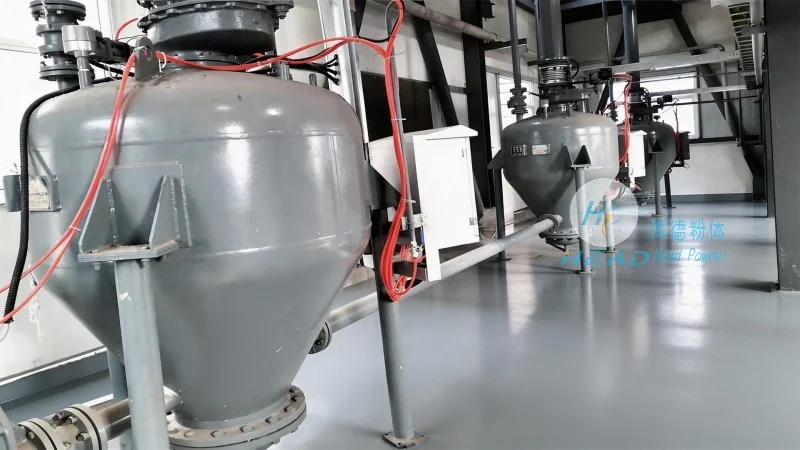
Core Design Principles of Pneumatic Conveying Systems for Tailings Slurry
The design of a tailings slurry pneumatic conveying line is governed by several key principles that ensure optimal performance and reliability. The first principle is the selection of appropriate air velocity and pressure. The air velocity must be high enough to keep the slurry particles suspended in the air stream but not so high as to cause excessive wear on the system components. The pressure level is determined by the distance and elevation changes between the source and destination points, as well as the viscosity and density of the slurry. Another critical principle is the sizing of the conveying pipeline. The diameter of the pipes is chosen based on the flow rate, particle size distribution, and the desired conveying capacity. Proper sizing prevents blockages and ensures smooth flow. Additionally, the system design incorporates components such as feeders, separators, and control valves to regulate the flow and maintain consistent operation. The feeders, often equipped with screw or pump mechanisms, ensure a steady supply of slurry to the conveying line. The separators, typically cyclone or baghouse units, separate the air from the slurry at the receiving end, allowing the tailings to be deposited in designated areas while the air is either recirculated or vented. Control valves are used to adjust the pressure and flow rate as needed, providing flexibility in operation.
Key Components and Their Functionality in the Conveying Process
Several key components make up a tailings slurry pneumatic conveying system, each playing a crucial role in the overall operation. The primary components include the slurry feed system, the conveying pipeline, the separation system, and the control system. The slurry feed system is responsible for introducing the tailings slurry into the conveying line. This can be achieved through various feeders, such as rotary valves, screw feeders, or pump-fed systems, depending on the specific requirements of the application. The conveying pipeline is the backbone of the system, consisting of horizontal and vertical sections that connect the feed point to the discharge point. The material of the pipeline, often stainless steel or high-grade plastic, is selected for its resistance to corrosion and abrasion from the slurry. The separation system is essential for recovering the tailings from the air stream. Cyclone separators use centrifugal force to separate the solid particles from the air, while baghouse filters capture fine particles using fabric media. The control system monitors and regulates the pressure, flow rate, and temperature within the system, ensuring safe and efficient operation. Sensors and control valves are used to detect any abnormalities, such as blockages or pressure drops, and adjust the system parameters accordingly.
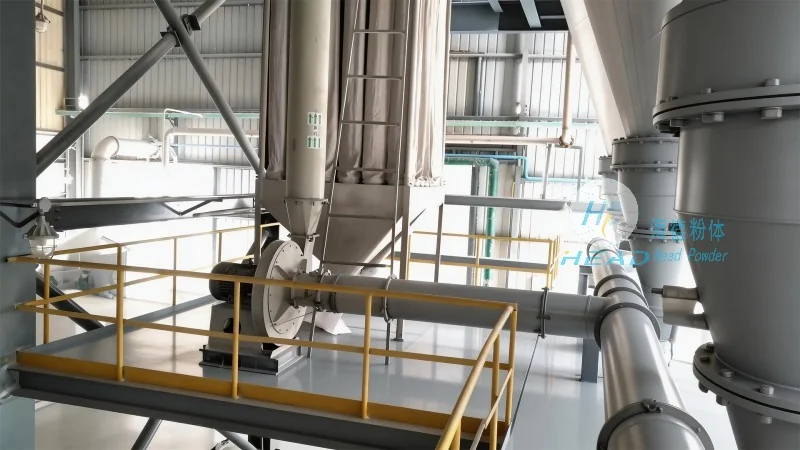
Advantages of Tailings Slurry Pneumatic Conveying Systems
Compared to traditional transportation methods, tailings slurry pneumatic conveying systems offer several significant advantages. First, they reduce the environmental impact by minimizing the need for trucks and other heavy machinery on mining sites. This leads to lower emissions and less soil disturbance. Second, the system is highly efficient in terms of energy consumption and material handling. By using air pressure to move the slurry, the system can transport large volumes over long distances with minimal energy input. Third, the system is flexible and can be adapted to various site conditions, including complex topographies and difficult access areas. Fourth, the operation is relatively low-maintenance, with fewer moving parts compared to mechanical conveyors, reducing downtime and maintenance costs. Finally, the system provides better control over the tailings disposal process, allowing for more precise placement of the tailings in designated storage areas.
Application Scenarios and Practical Implementation
Tailings slurry pneumatic conveying systems are widely used in various mining and mineral processing applications. For example, in open-pit mines, the system can transport tailings from the processing plant to a tailings storage facility located at a distance. In underground mines, the system can be used to move tailings from the ore processing area to a surface disposal site. The system is also applicable in the processing of metal ores, such as copper, gold, and iron, where the tailings contain valuable minerals that need to be managed carefully. The implementation of a pneumatic conveying system involves a detailed analysis of the site conditions, including the volume and characteristics of the tailings, the distance and elevation changes, and the environmental regulations. HeadPowder works closely with clients to conduct site surveys and provide customized solutions that meet their specific requirements. The company's engineers use advanced software and simulation tools to model the system and optimize its performance before installation. This ensures that the final system is efficient, reliable, and cost-effective.