

What is the pneumatic conveying equipment for lithium battery positive and negative electrode materi
Lithium battery manufacturing relies heavily on the efficient handling of fine powders, particularly the positive and negative electrode materials. These materials, such as lithium cobalt oxide (LCO) for cathodes and graphite or lithium iron phosphate (LFP) for anodes, are critical components that directly impact battery performance, capacity, and safety. The transportation of these powders from production lines to processing units or storage facilities requires specialized equipment to ensure minimal contamination, loss, and energy efficiency. This is where pneumatic conveying equipment plays a pivotal role in the lithium battery supply chain.
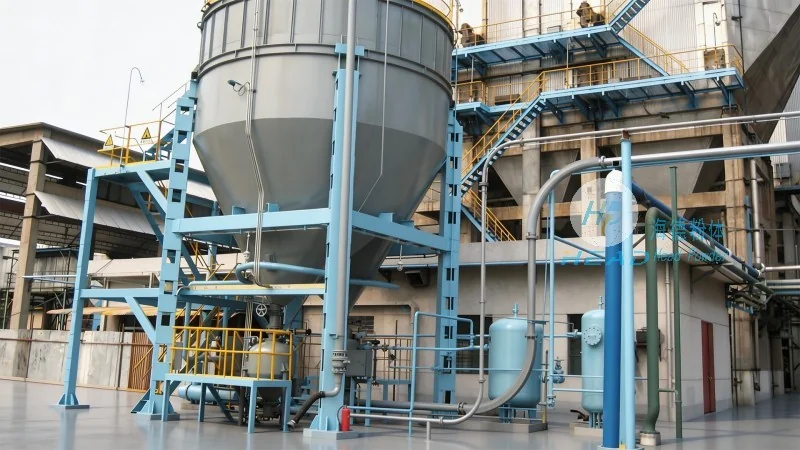
The Role of Pneumatic Conveying in Lithium Battery Material Handling
For lithium battery manufacturers, the handling of electrode powders demands precision and reliability. Traditional methods like bucket elevators or screw conveyors may introduce contamination or degrade the material's quality due to friction and particle attrition. Pneumatic conveying systems, on the other hand, offer a closed-loop, dust-free environment that preserves the integrity of the powders. This is essential for maintaining the chemical stability and performance characteristics of the electrode materials, which are sensitive to moisture, oxygen, and physical damage.
The Design Principles of Pneumatic Conveying Systems for Electrode Materials
The design of pneumatic conveying equipment for lithium battery electrode materials is guided by several key principles to ensure optimal performance. First, the system must be capable of handling fine, cohesive powders with varying particle sizes and flow properties. This often involves the use of positive pressure or negative pressure systems, depending on the material's characteristics and the distance to be conveyed. Positive pressure systems, where air is blown through the material, are commonly used for long-distance conveying of cohesive powders, while negative pressure systems, where air is drawn through the material, are suitable for shorter distances or when handling dusty environments.
Second, the equipment must incorporate features that prevent material degradation and clogging. This includes the use of specialized ducts with smooth inner surfaces to minimize friction and particle abrasion, as well as the integration of pulse-jet cleaning mechanisms to clear any blockages. Additionally, the system may include cyclone separators or filter bags to separate the conveyed material from the air stream, ensuring that the powders are collected in a clean, dry state. The design also considers the need for scalability, allowing manufacturers to adjust the system's capacity to meet varying production demands without compromising efficiency.
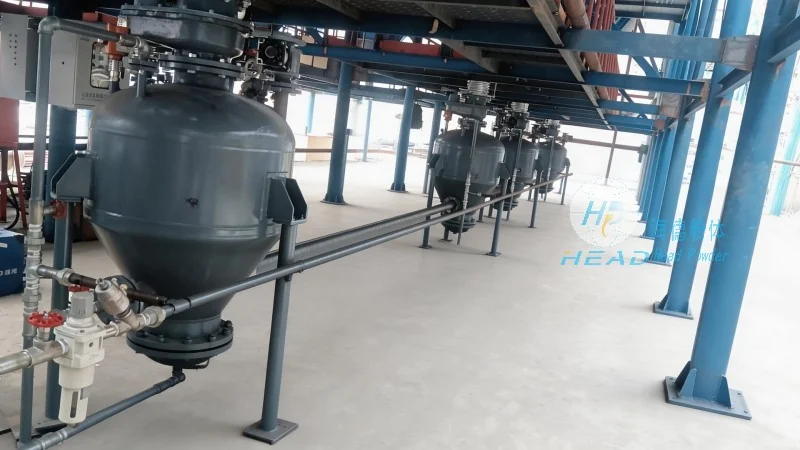
Key Components and Their Functionality
A typical pneumatic conveying system for lithium battery electrode materials consists of several key components, each playing a crucial role in the overall operation. The primary components include the material hopper, which stores the electrode powder and feeds it into the system; the conveyor line, which transports the material through the air stream; the air compressor or vacuum pump, which provides the necessary pressure or suction; and the collection hopper, where the material is deposited after conveying.
The material hopper is designed with a low-angle or conical shape to facilitate the flow of cohesive powders and prevent bridging or rat-holing. It may also include a rotary valve or feeder to control the material discharge rate, ensuring a consistent flow into the conveyor line. The conveyor line itself is made of materials resistant to corrosion and abrasion, such as stainless steel or special alloys, to withstand the chemical and physical stresses of the electrode powders. The air compressor or vacuum pump is selected based on the system's required pressure or suction level, with considerations for energy efficiency and noise reduction.
Advantages of Pneumatic Conveying for Lithium Battery Manufacturers
Implementing pneumatic conveying equipment for lithium battery electrode materials offers several advantages that contribute to improved manufacturing efficiency and product quality. First, the closed-loop system minimizes material loss and contamination, reducing waste and lowering production costs. This is particularly important for high-value electrode materials, where even small losses can impact profitability. Second, the system enhances safety by eliminating the need for manual handling of powders, reducing the risk of dust explosions or respiratory hazards.
Third, pneumatic conveying systems provide flexibility in material handling, allowing manufacturers to adjust the conveying distance, flow rate, and material type without significant modifications to the equipment. This adaptability is crucial in a dynamic manufacturing environment where production schedules and material specifications may change frequently. Additionally, the equipment's ability to handle fine powders with minimal degradation ensures that the electrode materials retain their optimal performance characteristics, leading to higher-quality batteries and improved customer satisfaction.
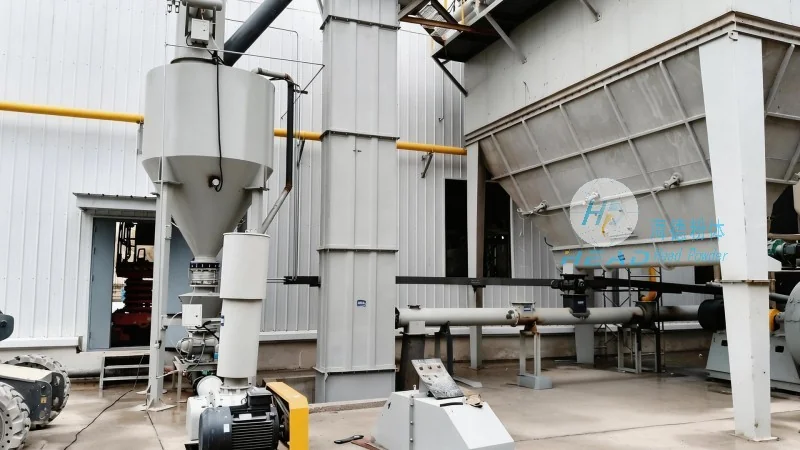
HeadPowder's Expertise in Pneumatic Conveying Solutions
Shandong HeadPowder Engineering Co., Ltd., a leading manufacturer of pneumatic conveying equipment, specializes in providing customized solutions tailored to the specific needs of lithium battery manufacturers. With years of experience in the industry, HeadPowder understands the unique challenges associated with handling electrode materials and has developed advanced systems that address these challenges effectively.
HeadPowder's pneumatic conveying equipment for lithium battery electrode materials is designed with precision engineering to ensure reliability and efficiency. The company's products incorporate the latest technologies, including advanced control systems, energy-efficient air compressors, and durable materials that resist corrosion and abrasion. Each system is customized based on the customer's production capacity, material characteristics, and operational requirements, ensuring optimal performance and minimal downtime.
HeadPowder's commitment to quality and customer satisfaction is evident in its comprehensive after-sales support. The company provides technical assistance, maintenance services, and spare parts to ensure that the equipment operates at peak performance throughout its lifecycle. By partnering with HeadPowder, lithium battery manufacturers can enhance their material handling processes, reduce costs, and improve overall production efficiency.