

What is a Grain Warehouse Pneumatic Powder Conveying Equipment? And What Are Its Design Principles?
HeadPowder, a leading manufacturer based in Shandong, China, specializes in the design and production of pneumatic powder conveying systems tailored for grain warehouse applications. This article delves into the fundamental aspects of such equipment, exploring its core functions and the intricate design principles that underpin its operation.
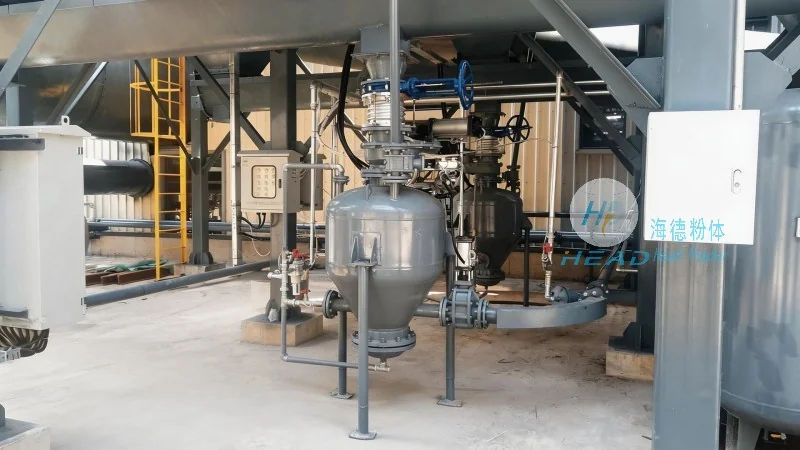
Introduction to Grain Warehouse Pneumatic Powder Conveying Equipment
Pneumatic powder conveying equipment is a critical component in modern grain handling operations, enabling the efficient and safe transportation of bulk powders like grains, flour, and other agricultural products within a warehouse environment. Unlike traditional mechanical conveying methods, which rely on belts or screws, pneumatic systems utilize air pressure to move materials through a network of pipes, making them particularly suitable for applications requiring high capacity, flexibility, and minimal maintenance.
Key Components of Pneumatic Conveying Systems
The core components of a pneumatic powder conveying system for grain warehouses typically include a blower or compressor to generate the necessary air flow, a hopper or feeder to introduce the material, a pipeline network to transport the material, and a receiver or discharge point to collect the conveyed material. Each component plays a vital role in ensuring the system operates efficiently and reliably. The blower provides the driving force, while the feeder controls the material feed rate to maintain consistent air-particle ratios. The pipeline network must be designed to handle the specific characteristics of the material, such as particle size, density, and moisture content, to prevent blockages or degradation of the material.
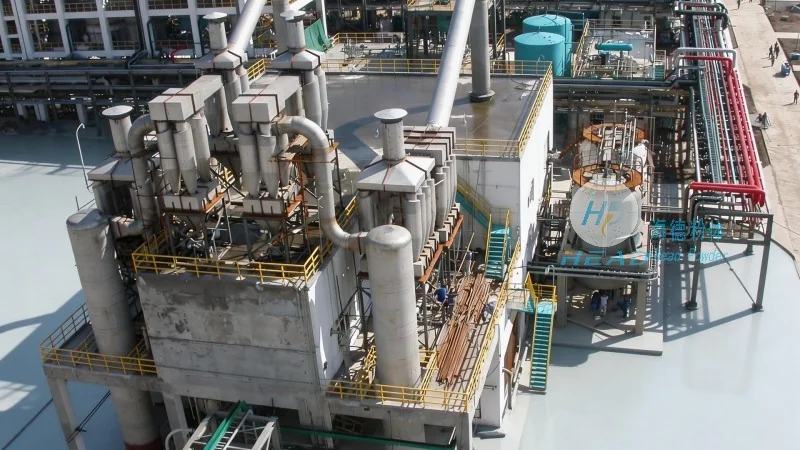
Design Principles for Efficient Material Handling
The design of a pneumatic powder conveying system for grain warehouses is governed by several key principles aimed at optimizing performance, energy efficiency, and material integrity. One of the primary design considerations is the air-particle velocity ratio, which determines the system's capacity and the risk of material degradation. A higher velocity ratio allows for greater capacity but may increase energy consumption and the risk of particle breakage. Conversely, a lower ratio reduces energy use but may limit capacity. Engineers must balance these factors based on the specific application requirements.
Another critical design principle is the system's pressure drop, which affects the energy consumption and the ability to transport materials over longer distances. The pipeline layout, including the number and size of bends, elbows, and fittings, significantly impacts pressure drop. Proper sizing of the pipeline and the use of smooth, low-friction materials are essential to minimize energy losses and ensure consistent material flow. Additionally, the system must be designed to handle variations in material properties, such as changes in moisture content or particle size distribution, which can affect flow characteristics and system performance.
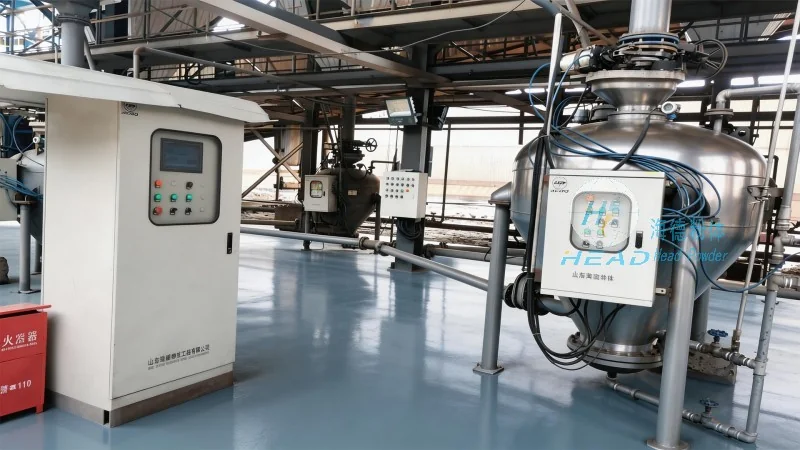
Advantages of Pneumatic Conveying in Grain Warehouses
Pneumatic powder conveying systems offer several advantages over traditional mechanical methods, making them the preferred choice for many grain handling operations. One of the most significant benefits is their ability to handle a wide range of materials, including fine powders and granules, without the need for additional equipment like screens or crushers. This flexibility reduces operational complexity and maintenance costs. Additionally, pneumatic systems are highly adaptable, allowing for changes in the layout or expansion of the warehouse without major modifications to the conveying infrastructure.
Energy efficiency is another key advantage. By using air as the conveying medium, these systems can achieve high material throughput with relatively low energy consumption compared to mechanical systems. The absence of moving parts in the pipeline, except for the blower, also reduces wear and tear, leading to lower maintenance requirements and longer equipment lifespan. Furthermore, pneumatic conveying systems are generally more hygienic and easier to clean, which is crucial for food-grade applications like grain handling.
Applications and Customization in Grain Warehouses
The versatility of pneumatic powder conveying equipment makes it suitable for a variety of applications within grain warehouses. Common uses include transporting raw grains from storage silos to processing lines, conveying flour or other ground products to packaging areas, and moving waste or byproducts to disposal or recycling facilities. The system can be customized to meet specific operational needs, such as varying material flow rates, handling different material types, or accommodating changes in warehouse layout.
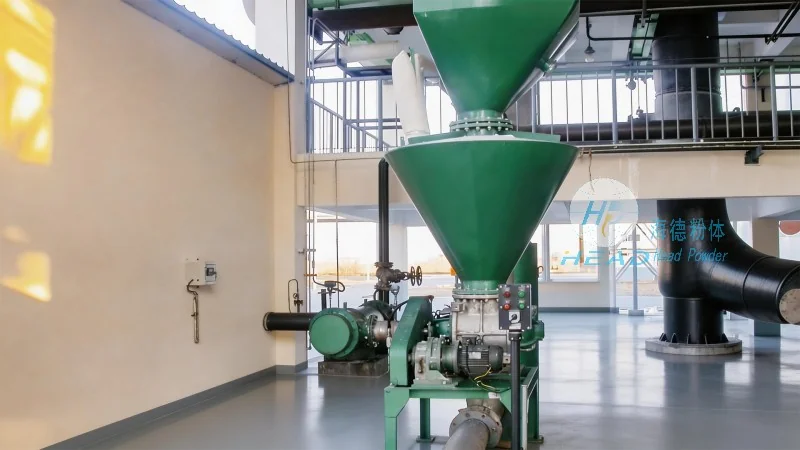
Customization options include adjustable blower speeds, variable feed rates, and modular pipeline configurations that can be expanded or reconfigured as the warehouse operations evolve. This flexibility ensures that the conveying system remains efficient and effective even as the warehouse's processing capacity or product mix changes over time. Additionally, the system can be integrated with other warehouse automation technologies, such as inventory management software or material tracking systems, to enhance overall operational efficiency.
Conclusion
In conclusion, pneumatic powder conveying equipment is a vital technology for modern grain warehouse operations, offering efficient, flexible, and reliable material handling solutions. The design principles that govern these systems, including air-particle velocity ratios, pressure drop management, and material adaptability, are crucial for optimizing performance and ensuring long-term operational success. As a leading manufacturer based in Shandong, China, HeadPowder Engineering Co., Ltd. specializes in providing customized pneumatic conveying solutions tailored to the unique needs of grain handling facilities, helping to improve operational efficiency and reduce costs for their clients.