

What is a Gelatin Powder Pneumatic Conveying System? Exploring Its Design Principles
Gelatin powder, a widely used ingredient in various industries including food, pharmaceuticals, and cosmetics, often requires efficient and reliable transportation methods to maintain product quality and operational efficiency. The gelatin powder pneumatic conveying system addresses these needs by utilizing air as the primary medium to transport dry powders like gelatin. This technology offers a hygienic, dust-free, and energy-efficient solution for moving gelatin powder from storage to processing units or packaging areas.
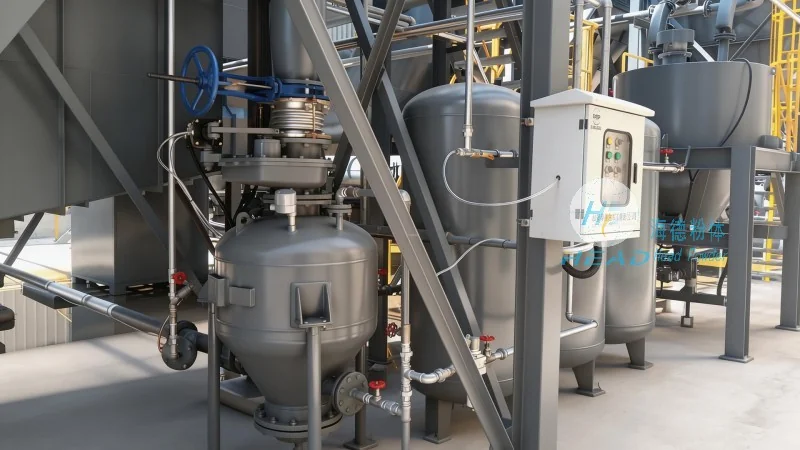
Understanding the Core Components of a Gelatin Powder Pneumatic Conveying System
At the heart of any gelatin powder pneumatic conveying system lies a series of interconnected components that work in harmony to achieve effective material transport. The system typically includes a hopper or feeder for receiving the gelatin powder, a conveying line (often made of stainless steel to ensure hygiene and durability), a compressor or blower to generate the necessary air pressure, and a receiver or discharge unit where the powder is deposited. Additionally, control valves, filters, and safety devices are integrated to regulate the flow and ensure system stability. The design of each component is critical to maintaining the integrity of the gelatin powder, as gelatin is sensitive to moisture and temperature changes that can affect its quality.
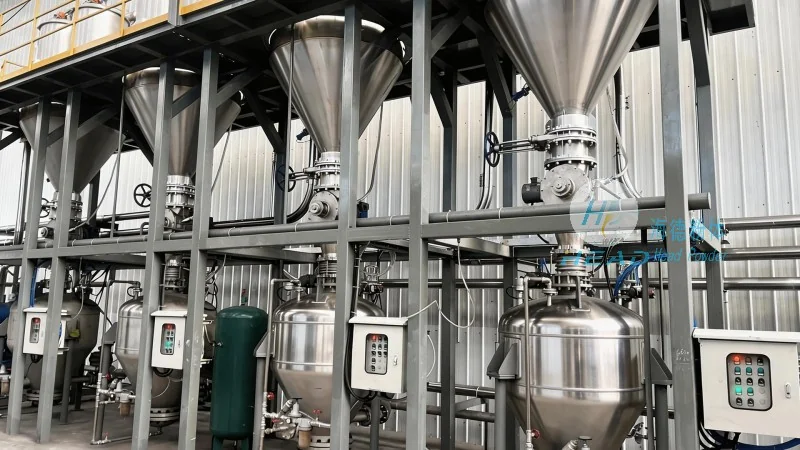
Design Principles for Optimal Performance in Gelatin Powder Conveying
The design principles of a gelatin powder pneumatic conveying system are centered on several key factors to ensure efficient operation and product preservation. First, the system must be designed to minimize particle degradation and agglomeration, which can occur due to high air velocities or improper equipment selection. This is achieved by using appropriate conveying velocities and selecting components that prevent friction and heat generation. Second, the system should be hygienic and easy to clean, as gelatin is used in food and pharmaceutical applications where contamination control is paramount. Stainless steel construction, smooth surfaces, and CIP (Clean-In-Place) compatible designs are common features. Third, energy efficiency is a critical design consideration, as pneumatic conveying systems can consume significant power. Modern systems incorporate energy-saving blowers, variable speed drives, and optimized air flow paths to reduce operational costs. Finally, the system must be scalable and adaptable to varying production demands, allowing for adjustments in conveying capacity without major modifications.
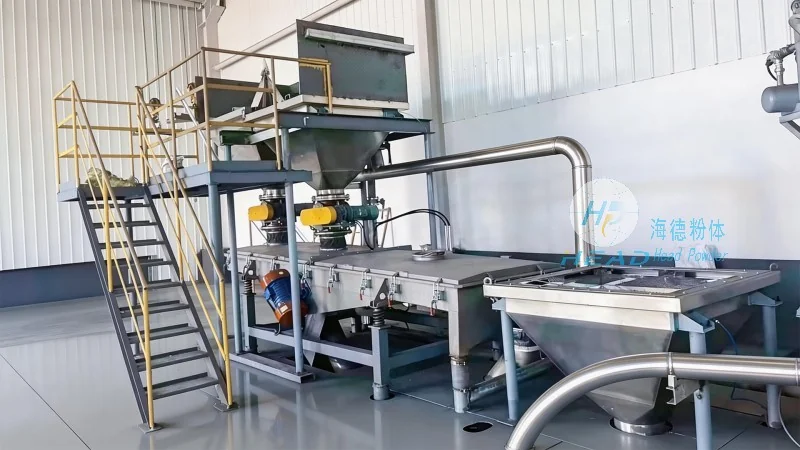
How the Pneumatic Conveying Process Works for Gelatin Powder
The operation of a gelatin powder pneumatic conveying system involves a sequence of steps that ensure smooth and consistent material transport. The process begins with the gelatin powder being fed from a hopper into the conveying line. As the air is compressed by the blower, it enters the line and creates a low-pressure zone, drawing the powder particles into the air stream. The powder is then carried through the line to the receiver, where the air is separated from the powder using a cyclone or filter. The separated powder is collected in the receiver, while the air is either vented to the atmosphere or recirculated for energy efficiency. This process is continuous and can be automated to match production schedules, ensuring a steady supply of gelatin powder to downstream processes.
Advantages of Using a Gelatin Powder Pneumatic Conveying System
Implementing a gelatin powder pneumatic conveying system offers numerous advantages over traditional methods like bucket elevators or belt conveyors. One of the primary benefits is the hygienic and dust-free operation, which is essential for food and pharmaceutical applications. The enclosed system prevents contamination from external sources and reduces the risk of product loss due to dust dispersion. Another advantage is the energy efficiency, as pneumatic conveying can be more cost-effective than mechanical systems, especially for long-distance or high-volume transport. Additionally, the system provides better control over the conveying process, allowing for precise regulation of flow rates and pressure, which helps maintain product quality. The compact design of pneumatic systems also saves space in production facilities, making them suitable for facilities with limited floor space. Finally, the system is versatile and can handle a wide range of gelatin powder types and particle sizes, making it adaptable to different production needs.
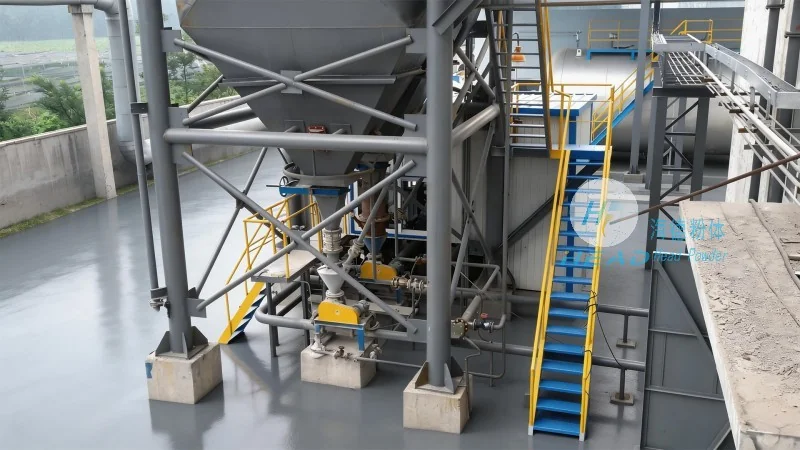
Customization and Scalability for Different Production Needs
Shandong HeadPowder Engineering Co., Ltd., a leading provider of pneumatic conveying solutions, specializes in designing and manufacturing gelatin powder pneumatic conveying systems tailored to specific customer requirements. The company’s expertise lies in understanding the unique challenges of handling gelatin powder, such as its hygroscopic nature and sensitivity to temperature. By working closely with clients, HeadPowder engineers develop customized systems that address individual production scales, conveying distances, and operational conditions. The company’s systems are scalable, allowing for easy expansion as production volumes increase. This flexibility ensures that customers can invest in a system that meets their current needs while being prepared for future growth. HeadPowder’s commitment to quality and innovation is reflected in the robust design and reliable performance of their pneumatic conveying systems, which are built to withstand the demands of continuous production in the gelatin industry.