With more than 10‑year industry experience, Shandong Headpowder delivers full‑service pneumatic‑conveying systems and blowers, undertaking nationwide turn‑key powder‑handling projects.
Glucose powder, a vital ingredient in the food and pharmaceutical industries, requires specialized equipment for efficient and safe material handling. The proper design of glucose powder material handling equipment is crucial to ensure product integrity, minimize contamination risks, and enhance operational efficiency. This article explores the key aspects of such equipment, focusing on the design principles that underpin effective glucose powder handling systems.
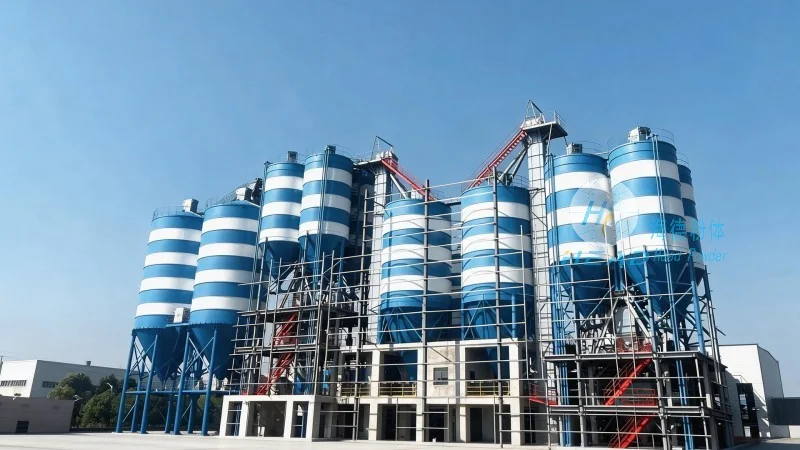
Glucose powder, also known as dextrose, is a white crystalline powder widely used in food processing, pharmaceutical manufacturing, and other industrial applications. Due to its fine particle size and hygroscopic nature, glucose powder can be challenging to handle. Traditional methods like manual conveying or simple bucket elevators are often insufficient for large-scale operations, leading to issues such as dust generation, caking, and material loss. Therefore, specialized material handling equipment is essential to maintain product quality and operational safety.
The design of glucose powder material handling equipment must consider several critical factors to address the unique properties of glucose powder. These principles include:
1. **Material Compatibility and Hygiene**: Equipment components, such as hoppers, conveyors, and storage tanks, must be constructed from materials that are non-reactive with glucose powder and easy to clean. Stainless steel is commonly used due to its corrosion resistance and hygienic properties, ensuring that the product remains free from contamination. The design also incorporates smooth surfaces and minimal dead zones to prevent material accumulation and bacterial growth.
2. **Adequate Flow Control**: Glucose powder can exhibit poor flow characteristics, especially when exposed to moisture or temperature changes. The design of the handling system includes features like vibrators, agitators, or air knives to break up clumps and maintain consistent flow. This ensures that the powder moves smoothly through the system without blockages or uneven discharge.
3. **Dust Control and Environmental Safety**: Glucose powder is a fine powder that can generate significant dust during handling. The equipment is designed with enclosed systems, dust collection hoods, and filtration units to capture and contain airborne particles. This not only protects the environment but also prevents respiratory hazards for operators and maintains product purity.

4. **Energy Efficiency and Maintenance**: Modern glucose powder handling equipment is designed to be energy-efficient, reducing operational costs. Features like variable speed drives, optimized conveyor designs, and easy access for maintenance help minimize downtime and extend the equipment's lifespan. The design also considers the need for regular cleaning and maintenance to keep the system running smoothly.
Several types of equipment are commonly employed in glucose powder material handling systems. The choice of equipment depends on the specific application, production scale, and the characteristics of the glucose powder. Some of the most common equipment includes:
1. **Screw Conveyors**: Screw conveyors are widely used for horizontal or slight incline conveying of glucose powder. They are enclosed systems that prevent dust and ensure consistent flow. The screw design can be customized to handle different particle sizes and flow rates, making them suitable for various production environments.
2. **Pneumatic Conveying Systems**: For long-distance or vertical conveying, pneumatic systems are often preferred. These systems use air pressure to transport glucose powder through pipes. They are particularly effective for handling fine powders and can be designed as positive or negative pressure systems depending on the application requirements.
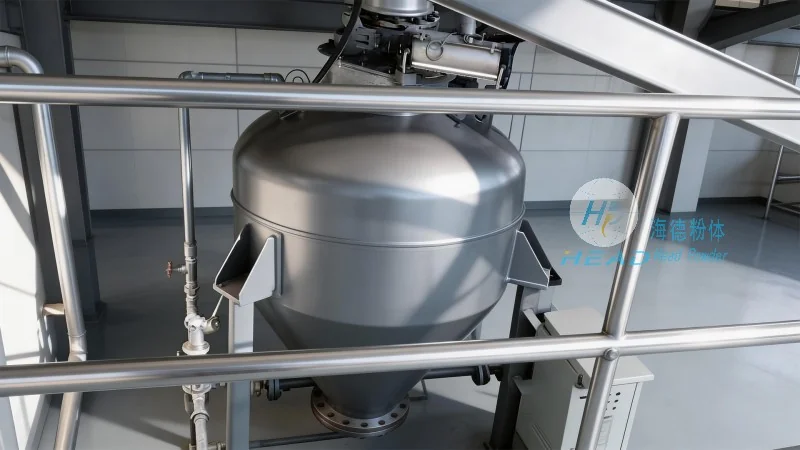
3. **Vibrating Feeders and Conveyors**: Vibrating equipment is used to feed and convey glucose powder at a controlled rate. The vibration helps maintain a consistent flow, preventing clogging and ensuring accurate dosing. These systems are often integrated with other equipment to form a complete handling line.
4. **Storage Silos and Hoppers**: Proper storage is essential to maintain the quality of glucose powder. Storage silos are designed with a conical bottom to facilitate discharge and prevent material bridging. The silos are equipped with level indicators and aeration systems to control moisture and prevent caking.
Shandong HeadPowder Engineering Co., Ltd., a leading manufacturer of material handling equipment, specializes in providing customized solutions for glucose powder handling. With years of experience in the industry, HeadPowder understands the unique challenges of handling glucose powder and designs equipment that meets the highest standards of efficiency, safety, and hygiene. The company's team of engineers works closely with clients to assess their specific needs and develop tailored solutions that optimize their production processes.
HeadPowder's equipment is designed with the principles discussed above in mind. The company uses high-quality materials, advanced manufacturing techniques, and rigorous testing to ensure that each piece of equipment performs reliably and meets the strict requirements of the food and pharmaceutical industries. The company's commitment to quality and customer satisfaction has made it a trusted partner for many businesses in the industry.
HeadPowder's facilities are located in Shandong, China, where the company has a strong presence in the local engineering and manufacturing sector. The company's location allows for easy access to raw materials and skilled labor, ensuring that production is efficient and cost-effective. HeadPowder's products are exported to various countries around the world, serving clients in different regions with their specialized glucose powder handling solutions.

 Shandong Headpowder Engineering Co., Ltd.
 156-6277-7102(Manager Zhang)
  0531-83386006
  Zhangqiu District, Jinan City, Shandong Province, China
telephone
WeChatconsult
top