With more than 10‑year industry experience, Shandong Headpowder delivers full‑service pneumatic‑conveying systems and blowers, undertaking nationwide turn‑key powder‑handling projects.
Phenolic resin material handling systems are specialized equipment designed to transport and manage phenolic resin materials efficiently. These systems are crucial in industrial settings where phenolic resin is processed, as they ensure safe, reliable, and efficient material movement. Understanding the components and design principles of such systems is essential for optimizing production processes and maintaining operational safety.
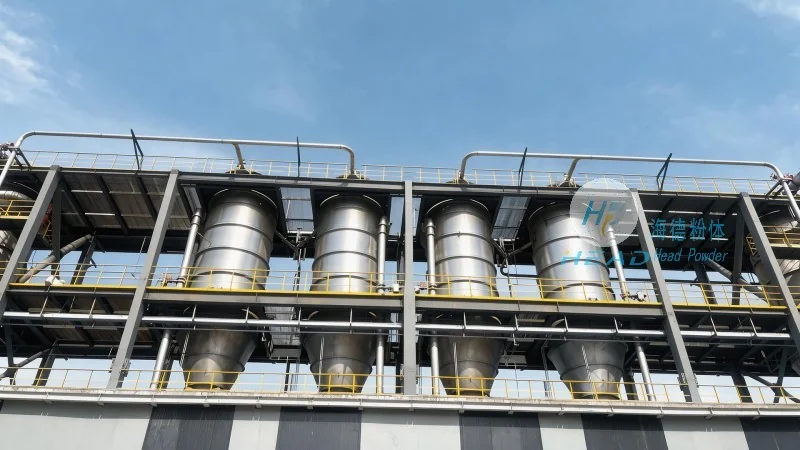
Phenolic resin, a thermosetting polymer, is widely used in various industries due to its excellent mechanical properties, electrical insulation, and resistance to heat and chemicals. Material handling systems for phenolic resin must address the unique characteristics of this material, such as its tendency to adhere to surfaces and its potential for dust generation. The design of these systems focuses on minimizing material loss, preventing contamination, and ensuring consistent flow rates. Companies like Shandong HeadPowder Engineering Co., Ltd. specialize in developing tailored solutions that meet the specific needs of clients in the phenolic resin industry.
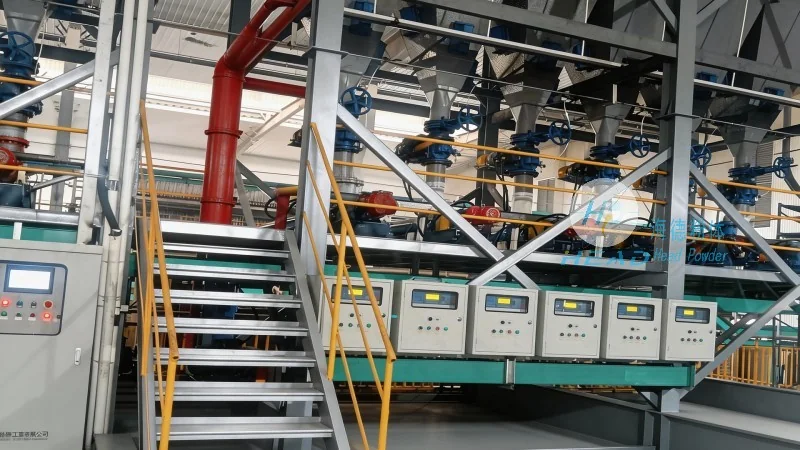
A typical phenolic resin material handling system consists of several key components that work together to achieve efficient material transport. These components include feeders, conveyors, storage hoppers, and control systems. Feeders are responsible for evenly distributing the resin from the storage hopper to the conveyor system. Conveyors, which may be belt, screw, or pneumatic types, move the resin through the system. Storage hoppers are designed to hold large quantities of resin and provide a stable feed to the feeder. Control systems monitor and regulate the flow rate, ensuring consistent performance. Each component is engineered to handle the specific properties of phenolic resin, such as its viscosity and tendency to clog or stick to surfaces.
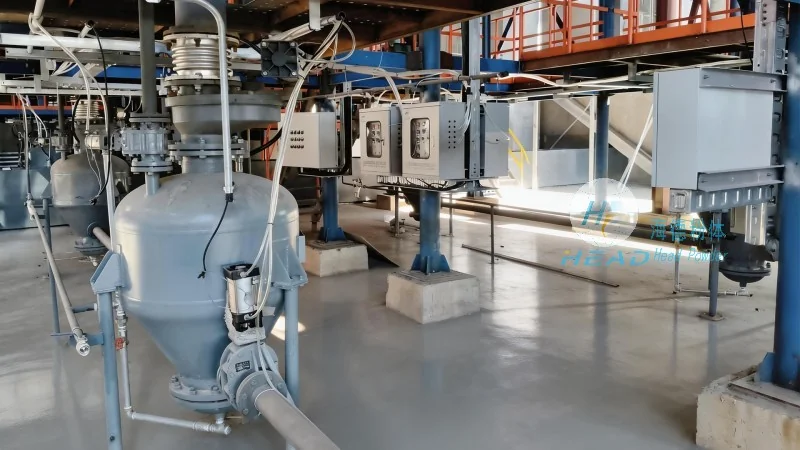
The design of a phenolic resin material handling system follows several critical principles to ensure optimal performance. First, the system must be designed to minimize material degradation and contamination. This involves using materials that are compatible with phenolic resin, such as stainless steel or specialized plastics, to prevent chemical reactions or adhesion. Second, the system should be designed for easy cleaning and maintenance. Phenolic resin can be difficult to remove from surfaces, so components are often designed with smooth, non-stick surfaces and easy-to-access parts. Third, the system must ensure consistent flow rates to maintain stable production processes. This is achieved through precise control of the feeder speed and conveyor speed, often using sensors to monitor the material level and adjust the flow accordingly. Fourth, safety is a paramount consideration. The system must include features such as dust collection, explosion-proof designs, and emergency stop mechanisms to protect operators and the environment.
Phenolic resin material handling systems are used in a variety of applications across different industries. In the automotive industry, they are used to transport phenolic resin for manufacturing components like brake pads and gaskets. In the electrical industry, they are used to handle phenolic resin for insulation materials and molded parts. In the construction industry, they are used for phenolic resin-based adhesives and composites. The benefits of using such systems include improved production efficiency, reduced material waste, enhanced safety, and lower maintenance costs. By ensuring consistent material flow and minimizing downtime, these systems help companies maintain high productivity and meet quality standards.
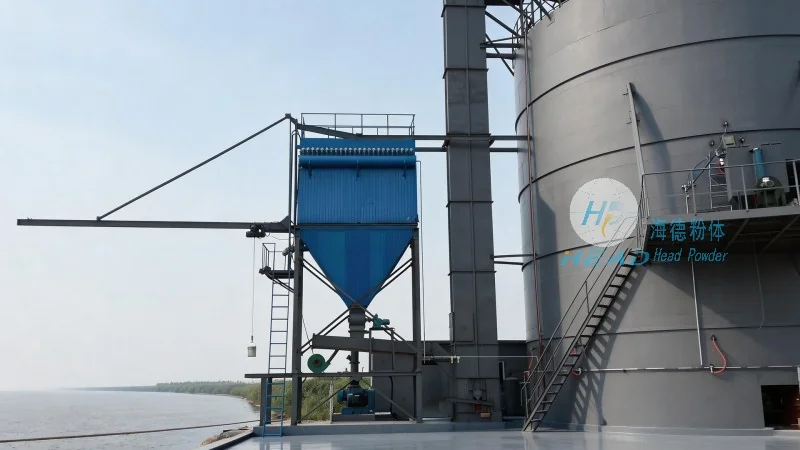
Shandong HeadPowder Engineering Co., Ltd. is a leading provider of phenolic resin material handling systems, offering customized solutions tailored to the specific needs of their clients. The company specializes in designing and manufacturing systems that address the unique challenges of phenolic resin handling, such as material adhesion and dust control. Their team of engineers works closely with clients to understand their production requirements and develop systems that optimize material flow, reduce waste, and enhance safety. The company uses advanced design software and testing facilities to ensure that each system meets the highest standards of performance and reliability. With a focus on quality and customer satisfaction, Shandong HeadPowder Engineering Co., Ltd. has built a reputation as a trusted partner in the phenolic resin industry.

 Shandong Headpowder Engineering Co., Ltd.
 156-6277-7102(Manager Zhang)
  0531-83386006
  Zhangqiu District, Jinan City, Shandong Province, China
telephone
WeChatconsult
top