With more than 10‑year industry experience, Shandong Headpowder delivers full‑service pneumatic‑conveying systems and blowers, undertaking nationwide turn‑key powder‑handling projects.
Quantitative feeding material handling is a critical process in industrial operations, focusing on the precise and controlled delivery of bulk materials. This method ensures that materials are transported and processed in measured quantities, which is essential for maintaining efficiency, consistency, and safety in various production environments. The core of this process lies in the design of systems that can accurately measure and regulate the flow of materials, from raw inputs to final processing stages.
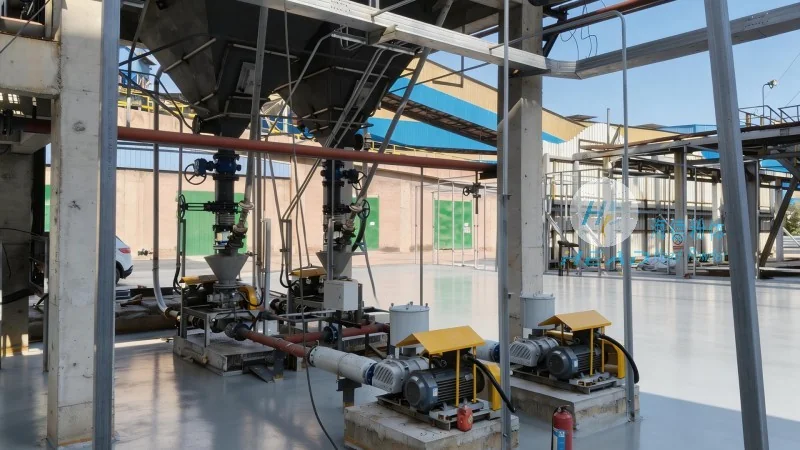
At the heart of quantitative feeding material handling are several key components that work in tandem to achieve precise material control. These components include feeders, conveyors, and control systems. Feeders, such as screw feeders, vibratory feeders, or belt feeders, are responsible for the initial material intake and initial flow regulation. They are designed to handle a wide range of material types, from powders and granules to bulk solids, ensuring that the material is fed at a consistent rate. Conveyors, on the other hand, transport the material from the feeder to the next processing stage, maintaining the measured flow. Control systems, often integrated with sensors and automation technology, monitor the flow rate and adjust the feeder settings in real-time to maintain the desired output. This integration of components ensures that the material handling process is both accurate and reliable.
The design of quantitative feeding systems follows several fundamental principles to ensure optimal performance and efficiency. One of the primary principles is the need for accurate measurement and control. This involves using high-precision sensors and control algorithms to monitor the material flow and adjust the feeder speed or other parameters as needed. Another key principle is the consideration of material properties. Different materials have varying flow characteristics, such as bulk density, particle size, and moisture content, which can affect how they are fed. Designers must account for these properties to select the appropriate feeder type and adjust the system accordingly. Additionally, the design must prioritize durability and reliability. Since these systems operate continuously in industrial settings, they need to withstand heavy use and harsh conditions without compromising performance. This includes using robust materials for construction and implementing maintenance-friendly designs. Finally, the design should be scalable and adaptable. As production needs change, the system should be able to adjust to new material types or increased throughput without major modifications.
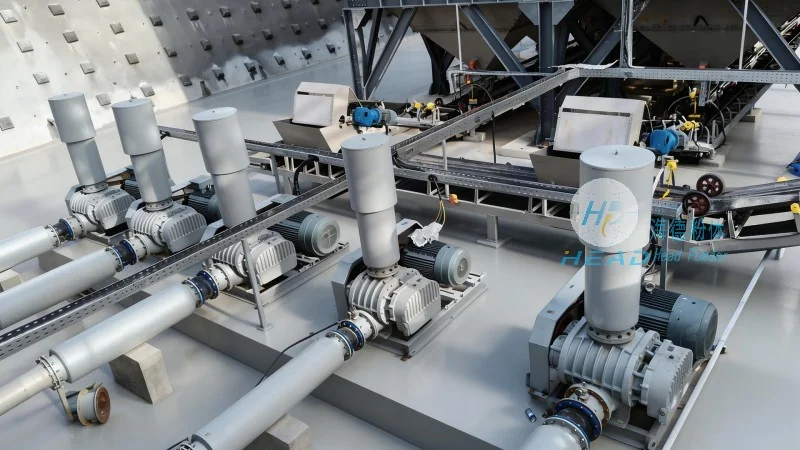
Quantitative feeding material handling is widely used across various industries, including pharmaceuticals, food processing, chemicals, and mining. In the pharmaceutical industry, for example, precise feeding is crucial for ensuring the correct dosage of ingredients in medications. The controlled delivery of raw materials helps maintain product quality and compliance with regulatory standards. In food processing, accurate feeding is essential for consistent product quality and safety, especially when handling ingredients like flour, sugar, or spices. The chemical industry relies on quantitative feeding for the controlled addition of reagents, which is vital for chemical reactions and product consistency. Even in mining operations, where bulk materials like ore or coal are processed, quantitative feeding systems ensure efficient and safe material handling, reducing waste and improving overall productivity.
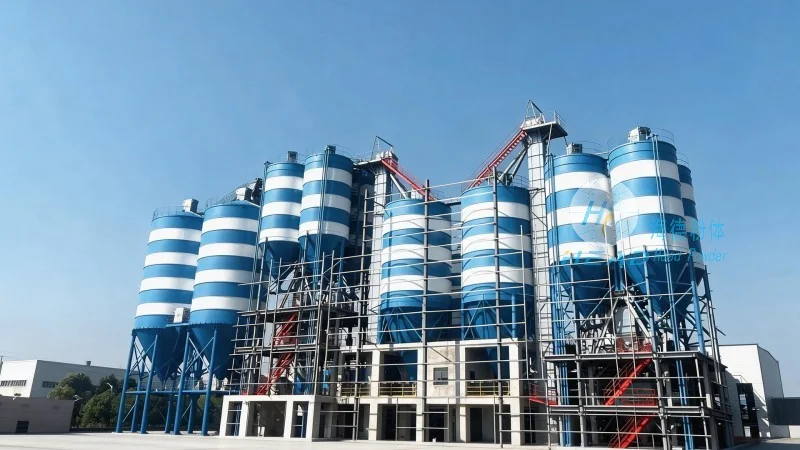
Shandong HeadPowder Engineering Co., Ltd., commonly known as HeadPowder, is a leading provider of quantitative feeding material handling solutions. With a strong presence in China, particularly in Shandong, the company specializes in designing and manufacturing systems tailored to the specific needs of industrial clients. HeadPowder's expertise lies in understanding the unique challenges of different industries and developing customized solutions that meet both performance and regulatory requirements. The company's team of engineers and technicians work closely with clients to assess their material handling needs, select the appropriate equipment, and implement the system. This collaborative approach ensures that the final solution is not only efficient but also cost-effective and sustainable. HeadPowder's commitment to quality and innovation has made it a trusted partner for businesses seeking reliable quantitative feeding systems. By leveraging advanced technology and a deep understanding of material handling principles, HeadPowder helps clients optimize their operations and achieve their production goals.
In conclusion, quantitative feeding material handling is a vital aspect of modern industrial operations, enabling precise control over material flow and ensuring consistent performance. The design principles behind these systems, including accurate measurement, material consideration, durability, and scalability, are critical to their success. Companies like Shandong HeadPowder Engineering Co., Ltd. play a crucial role in providing the expertise and solutions needed to implement these systems effectively. By investing in high-quality quantitative feeding equipment, industries can enhance their operational efficiency, improve product quality, and maintain compliance with industry standards. As the demand for precision in material handling continues to grow, the importance of well-designed quantitative feeding systems will only increase, making them an essential component of modern manufacturing and processing.

 Shandong Headpowder Engineering Co., Ltd.
 156-6277-7102(Manager Zhang)
  0531-83386006
  Zhangqiu District, Jinan City, Shandong Province, China
telephone
WeChatconsult
top