

What is an Organic Fertilizer Powder Conveying Line? And What Are Its Design Principles?
Organic fertilizer powder conveying lines are specialized systems engineered to handle and transport organic fertilizer powders efficiently and safely. These lines are crucial in agricultural and industrial settings where the reliable movement of bulk organic materials is essential for processing, storage, and distribution. Understanding the design principles behind such systems is vital for optimizing performance, ensuring operational safety, and meeting the demands of modern organic fertilizer production and management.
Introducing HeadPowder: Your Expert in Powder Conveying Solutions
HeadPowder, or Shandong HeadPowder Engineering Co., Ltd., is a leading provider of advanced powder handling equipment. With a focus on innovation and precision engineering, the company specializes in developing customized conveying systems tailored to the unique needs of organic fertilizer manufacturers. HeadPowder's commitment to quality and customer satisfaction has established it as a trusted name in the industry, serving clients across China and beyond.
The Core Design Principles of Organic Fertilizer Powder Conveying Lines
The design of an organic fertilizer powder conveying line involves several key principles that ensure efficient operation and durability. One of the primary considerations is the material's properties, such as its particle size, moisture content, and flowability. Organic fertilizers often have varying characteristics, which require specialized equipment to prevent issues like caking, bridging, or blockages. The conveying system must be designed to handle these variations while maintaining consistent flow rates.
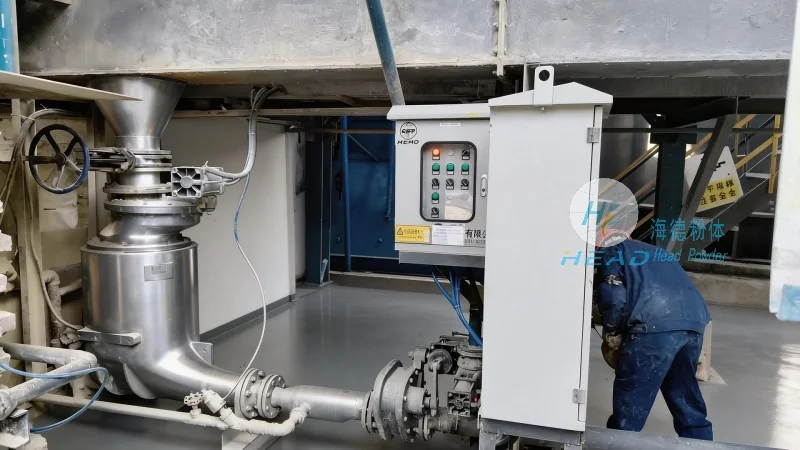
Another critical design principle is the selection of appropriate conveying technologies. Common methods include pneumatic conveying (air-assisted), mechanical conveying (like screw conveyors or belt conveyors), and hybrid systems that combine both approaches. Pneumatic conveying is particularly effective for organic fertilizers due to its ability to handle fine powders and minimize material degradation. The choice of technology depends on factors like the distance to be covered, the volume of material, and the specific characteristics of the fertilizer being transported.
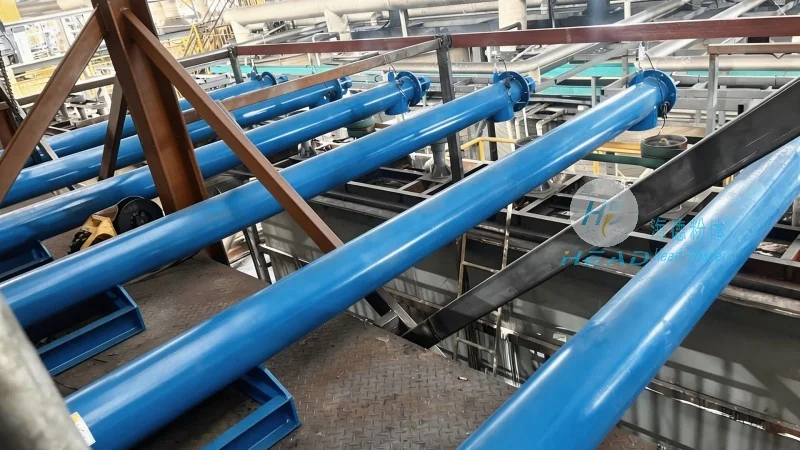
System integration is another key aspect of design. A well-designed conveying line integrates components such as hoppers, feeders, pipelines, and control systems to create a seamless operation. Hoppers are used to store and feed the organic fertilizer into the conveying system, while feeders ensure a consistent flow rate. Pipelines are carefully designed to minimize pressure drops and maintain the material's integrity. Control systems, often equipped with sensors and automation, monitor the process and adjust parameters in real-time to optimize performance and prevent issues like overloading or underflow.
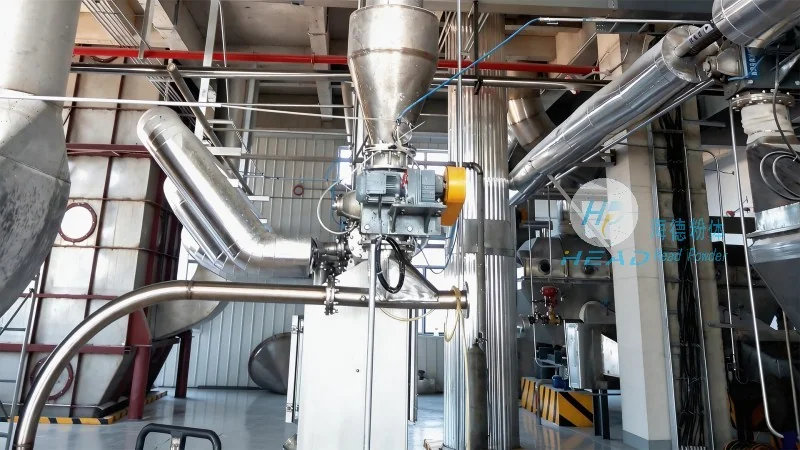
Material selection for components is also a critical design consideration. Organic fertilizers can be corrosive or abrasive, so components like hoppers, pipelines, and valves must be made from durable materials such as stainless steel or specialized alloys. This ensures longevity and prevents contamination of the fertilizer. Additionally, the design must consider hygiene and sanitation, as organic fertilizers are often used in agricultural applications where purity is essential. Components are designed to be easy to clean and maintain, reducing downtime and ensuring compliance with industry standards.
Key Features and Benefits of HeadPowder's Conveying Solutions
HeadPowder's organic fertilizer powder conveying lines are designed with several key features that enhance performance and reliability. One of the standout features is the use of advanced pneumatic conveying technology, which allows for efficient and gentle handling of organic fertilizers. This technology minimizes material degradation and ensures consistent flow rates, even with varying particle sizes. The system also incorporates intelligent control systems that monitor key parameters such as pressure, flow rate, and temperature, providing real-time feedback and alerts for any deviations.
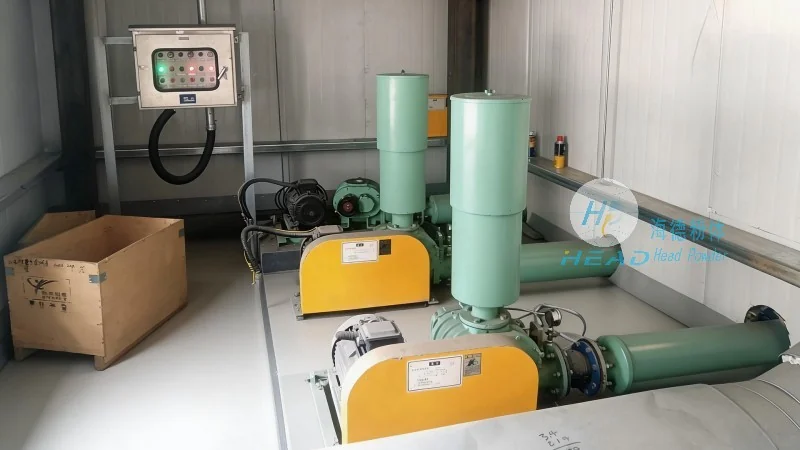
Another benefit is the modular design of the conveying lines. This allows for flexibility in system configuration, enabling clients to scale the system as their production needs grow. The modular approach also simplifies maintenance and repairs, as individual components can be easily replaced without disrupting the entire system. HeadPowder's engineers work closely with clients to design systems that meet their specific requirements, ensuring optimal performance and cost-effectiveness.
The conveying lines also prioritize safety and operational efficiency. Features such as dust suppression systems and explosion-proof designs are incorporated to ensure safe operation in environments where organic fertilizers are handled. The systems are designed to minimize energy consumption while maintaining high throughput, contributing to lower operational costs and reduced environmental impact. Additionally, the use of high-quality materials and robust construction ensures long service life, reducing the need for frequent replacements and maintenance.