With more than 10‑year industry experience, Shandong Headpowder delivers full‑service pneumatic‑conveying systems and blowers, undertaking nationwide turn‑key powder‑handling projects.
Monosodium glutamate (MSG), a widely used flavor enhancer in the food industry, requires efficient material handling systems to ensure smooth production processes. The design of these systems is critical for optimizing workflow, maintaining product quality, and enhancing operational efficiency. This article explores the fundamental aspects of monosodium glutamate material handling, including key design principles and practical considerations. In the modern food processing industry, MSG is a staple ingredient, used in a wide range of products from soups and sauces to snacks and processed meats. The demand for MSG has led to the development of sophisticated manufacturing processes that rely heavily on efficient material handling to maintain high production rates and product consistency.
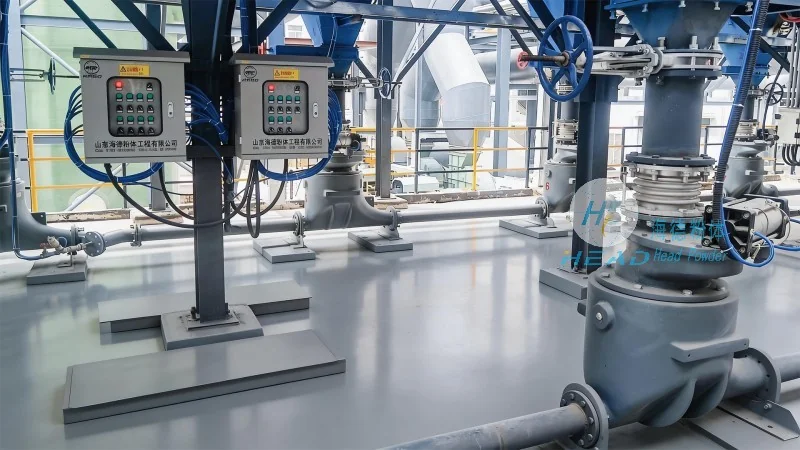
Monosodium glutamate material handling involves the movement, storage, and transfer of MSG from raw material reception to final product packaging. In the production of MSG, various stages such as raw material handling, chemical synthesis, crystallization, drying, and packaging all rely on specialized equipment to ensure consistent and safe processing. The efficiency of material handling directly impacts the overall productivity of the manufacturing facility. For instance, in the raw material stage, bulk MSG or its precursor materials are typically received in large containers and transferred to storage silos or hoppers. This initial step requires robust conveying systems, such as belt conveyors or screw conveyors, to move the material from the receiving area to the processing plant. The receiving equipment must be designed to handle large volumes and prevent spillage or contamination, which are critical concerns in food processing.
The design of monosodium glutamate material handling systems follows several core principles to ensure optimal performance. First, the system must prioritize safety and compliance with industry regulations. MSG production involves handling chemicals and potentially hazardous materials, so equipment must be designed to prevent contamination, spills, and exposure to workers. This includes features like sealed hoppers, enclosed conveyors, and proper ventilation systems to manage dust and fumes. Second, the system should maximize material flow efficiency. This involves minimizing bottlenecks and ensuring a continuous, unidirectional flow of material through the production line. For example, the use of automated conveyor systems and integrated control panels can help maintain a steady throughput rate, reducing downtime and increasing output. Third, the design must consider the physical properties of monosodium glutamate. MSG is a fine, granular powder that can be prone to bridging, caking, or segregation during handling. To address these issues, material handling systems often incorporate features like vibration feeders, air classifiers, and agitators to maintain consistent material flow and prevent blockages. Additionally, the equipment must be constructed from materials that are resistant to corrosion and chemical attack, as MSG and its production chemicals can be aggressive to certain metals. Stainless steel is commonly used for hoppers, conveyors, and processing vessels due to its durability and hygienic properties.
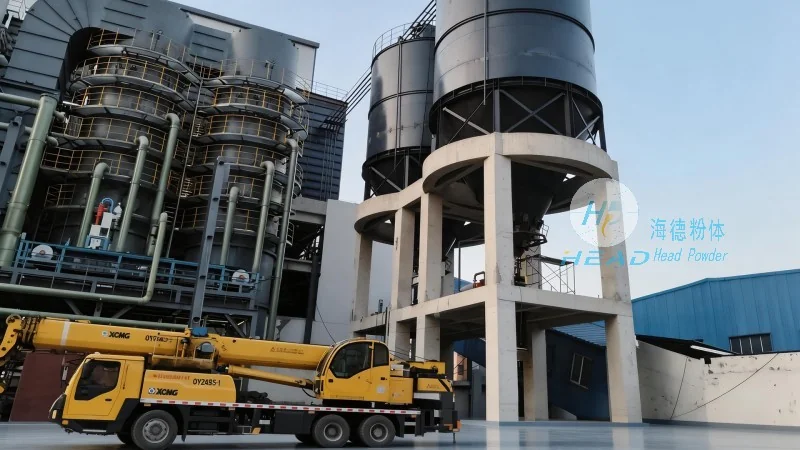
A typical monosodium glutamate material handling system includes several key components that work in tandem to facilitate efficient processing. The primary components include receiving equipment, storage silos, conveying systems, processing equipment, and packaging machinery. Receiving equipment, such as bulk containers or trucks, is used to bring raw materials into the facility. These containers are then emptied into storage silos or hoppers, which are designed to hold large quantities of MSG while maintaining a uniform material level. Conveying systems, such as belt conveyors or screw conveyors, transport the material from the storage area to the processing line. These systems are often equipped with variable speed drives to adjust the flow rate based on production demands. Processing equipment, including crystallizers, dryers, and classifiers, is integrated into the material flow to transform the raw material into the final product. For example, after the chemical synthesis of MSG, the solution is crystallized and then dried to produce the final granular product. The dried product is then transferred to packaging equipment, such as bagging machines or bulk loaders, for distribution. Each component of the system is designed to work seamlessly with the others, ensuring a continuous and efficient production process. The integration of these components is crucial for maintaining a smooth material flow and minimizing disruptions.
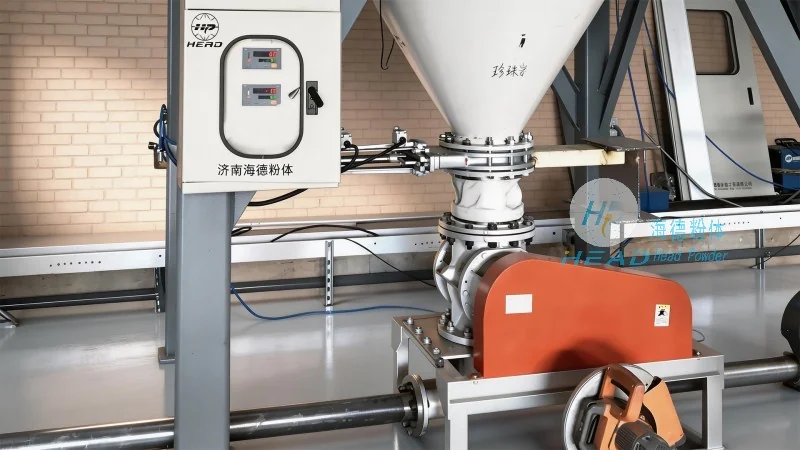
Shandong HeadPowder Engineering Co., Ltd., a leading provider of engineering solutions for the food and chemical industries, specializes in designing and manufacturing custom material handling systems for monosodium glutamate production. With years of experience in the industry, HeadPowder Engineering understands the unique challenges of handling MSG and has developed innovative solutions to address them. The company’s expertise lies in integrating advanced technology with practical design to create systems that meet the specific needs of each client. For instance, HeadPowder Engineering may design a system that includes automated dosing systems, real-time monitoring of material flow, and integrated cleaning protocols to ensure high standards of hygiene and product quality. The company’s approach emphasizes customization and efficiency, working closely with clients to understand their production requirements, including throughput rates, product specifications, and safety regulations. Based on this information, HeadPowder Engineering designs a system that optimizes material flow while minimizing downtime and maintenance costs. The company’s solutions are built to withstand the harsh conditions of MSG production, including exposure to moisture, heat, and chemical residues. By leveraging their expertise in material handling, HeadPowder Engineering helps clients improve their operational efficiency and maintain a competitive edge in the market. The company’s commitment to quality and innovation has made it a trusted partner for many MSG manufacturers worldwide.
In conclusion, the design of monosodium glutamate material handling systems is a critical aspect of efficient MSG production. By following key design principles and incorporating appropriate components, manufacturers can ensure smooth material flow, maintain product quality, and enhance operational efficiency. The role of companies like Shandong HeadPowder Engineering is vital in providing tailored solutions that meet the specific needs of the industry. As the demand for MSG continues to grow, the importance of well-designed material handling systems will only increase, making it essential for manufacturers to invest in robust and efficient systems. With the right design and implementation, monosodium glutamate material handling can contribute significantly to the success of any MSG production facility. The integration of advanced technology and practical engineering principles ensures that these systems not only meet current production needs but also adapt to future requirements, providing long-term value and reliability.

 Shandong Headpowder Engineering Co., Ltd.
 156-6277-7102(Manager Zhang)
  0531-83386006
  Zhangqiu District, Jinan City, Shandong Province, China
telephone
WeChatconsult
top