With more than 10‑year industry experience, Shandong Headpowder delivers full‑service pneumatic‑conveying systems and blowers, undertaking nationwide turn‑key powder‑handling projects.
Limestone material handling is a critical process for industries that rely on this essential mineral. Limestone, a sedimentary rock primarily composed of calcium carbonate, is widely utilized in construction, manufacturing, and environmental applications. The efficient transport, storage, and processing of limestone demand specialized equipment and systems engineered to accommodate its unique physical characteristics. This article delves into the fundamentals of limestone material handling and the key design principles that ensure safe, effective, and reliable operations.
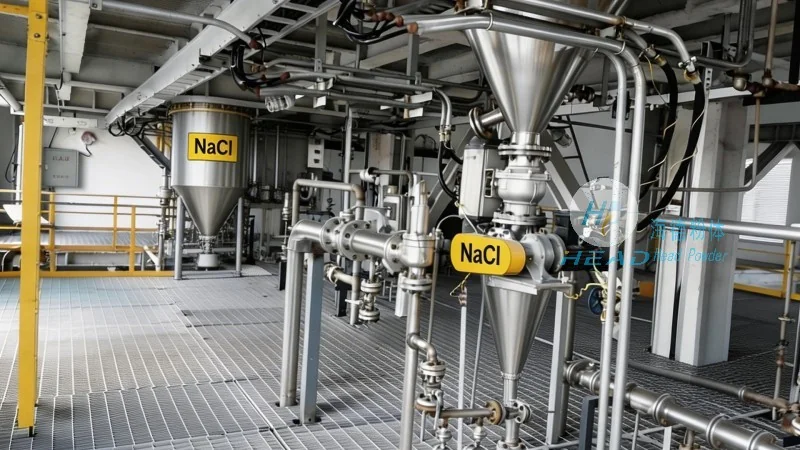
Limestone material handling encompasses the movement, storage, and processing of limestone from its source to the point of use. This process typically includes mining, crushing, screening, and transporting the material to processing facilities or end-users. The design of limestone handling systems must account for factors such as the material's bulk density, abrasiveness, and moisture content, as these properties directly influence equipment selection and operational efficiency. A well-designed system minimizes downtime, reduces maintenance costs, and enhances overall productivity.
The design of limestone material handling systems is guided by several critical principles to ensure optimal performance and safety. First, the system must be tailored to the specific characteristics of limestone, including its size distribution, moisture level, and potential for dust generation. This involves selecting appropriate equipment such as feeders, conveyors, and storage silos that can handle the material's bulk properties without causing excessive wear or blockages. Second, the design emphasizes the integration of components to create a seamless flow of material, reducing the need for manual intervention and minimizing the risk of accidents. For example, the use of continuous feeders and automated control systems helps maintain consistent material flow rates, which is essential for downstream processing steps like grinding or calcination.
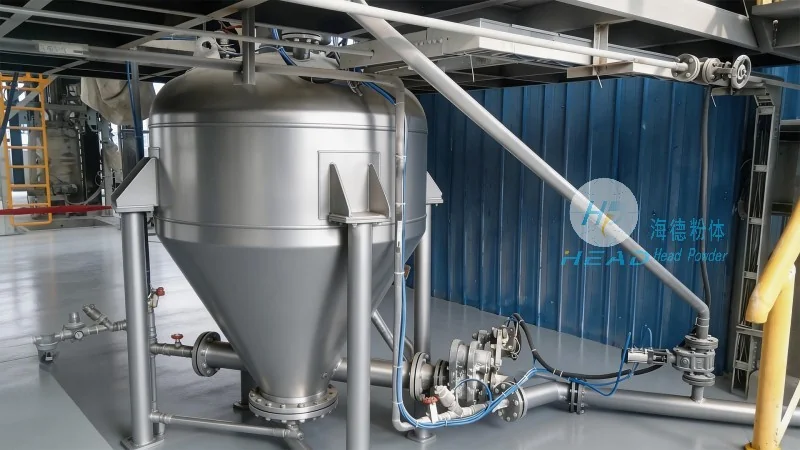
Third, safety and environmental considerations are paramount in limestone handling. The design incorporates features such as dust suppression systems, explosion-proof components, and proper ventilation to protect workers and the environment. Additionally, the system is engineered to minimize material spillage and contamination, which is critical for maintaining product quality and regulatory compliance. The use of sealed conveyors and enclosed storage areas helps contain dust and prevent the release of harmful particles into the air, contributing to a safer working environment.
Several types of equipment are commonly used in limestone material handling systems, each serving a specific function in the process. Feeders, such as belt feeders or vibratory feeders, are used to regulate the flow of limestone from storage silos or stockpiles to processing equipment. These devices ensure a consistent feed rate, which is vital for maintaining the efficiency of crushers and other processing machinery. Conveyors, including belt conveyors and screw conveyors, are used to transport limestone over short or long distances. Belt conveyors are particularly effective for handling large volumes of material and can be configured with inclines or declines to accommodate different site layouts. Screw conveyors, on the other hand, are ideal for vertical or horizontal transport and can handle materials with higher moisture content.
Crushers and screens are essential components for processing limestone into the desired size and shape. Jaw crushers, impact crushers, and cone crushers are commonly used to reduce limestone to smaller particles, while vibrating screens separate the material into different size fractions. The design of these equipment must account for limestone's abrasive nature, which can cause rapid wear on components. Therefore, materials such as hardened steel or special alloys are used for the crusher jaws and screen surfaces to extend the equipment's lifespan and reduce maintenance frequency.
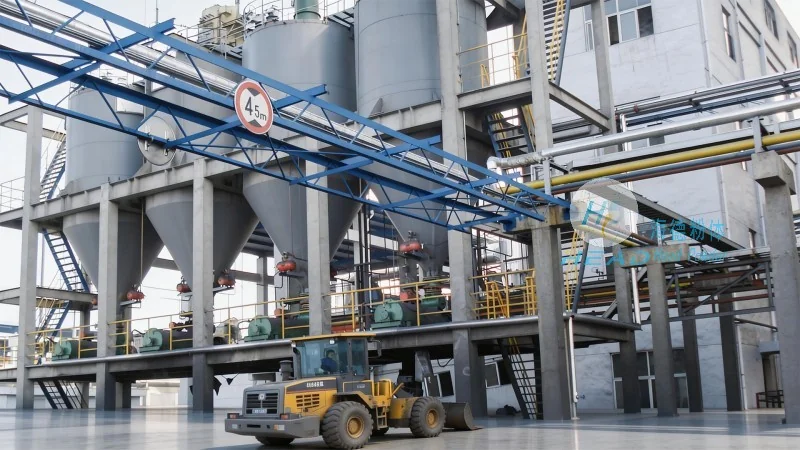
Proper storage of limestone is critical to maintaining its quality and preventing degradation. Storage silos or stockpiles are used to store limestone before it is processed or transported. The design of these storage facilities must consider factors such as the material's bulk density, which affects the silo's capacity and the need for proper aeration to prevent moisture buildup. Silos are typically constructed from steel or concrete and equipped with aeration systems to maintain the material's condition. Stockpiles, on the other hand, are often used for bulk storage and are designed with sloped sides to prevent material from sliding or caking. The use of covers or tarpaulins can help protect the material from weather elements, ensuring that the limestone remains in good condition until it is needed.
Limestone material handling is a complex process that requires careful consideration of the material's properties and the design of the handling system. By adhering to key design principles such as material-specific equipment selection, seamless integration of components, and safety and environmental considerations, industries can achieve efficient and reliable limestone handling operations. The expertise of companies like Shandong HeadPowder Engineering Co., Ltd., based in China, plays a vital role in designing and implementing these systems, ensuring that clients receive tailored solutions that meet their specific needs and operational requirements.

 Shandong Headpowder Engineering Co., Ltd.
 156-6277-7102(Manager Zhang)
  0531-83386006
  Zhangqiu District, Jinan City, Shandong Province, China
telephone
WeChatconsult
top