With more than 10‑year industry experience, Shandong Headpowder delivers full‑service pneumatic‑conveying systems and blowers, undertaking nationwide turn‑key powder‑handling projects.
Quantitative feeding material handling is a critical process in industrial operations, particularly in sectors like mining, construction, and manufacturing where precise material control is essential. This method ensures that materials are delivered at a consistent rate, meeting the exact requirements of downstream processes. Understanding the design principles behind quantitative feeding systems is vital for optimizing efficiency and maintaining product quality.
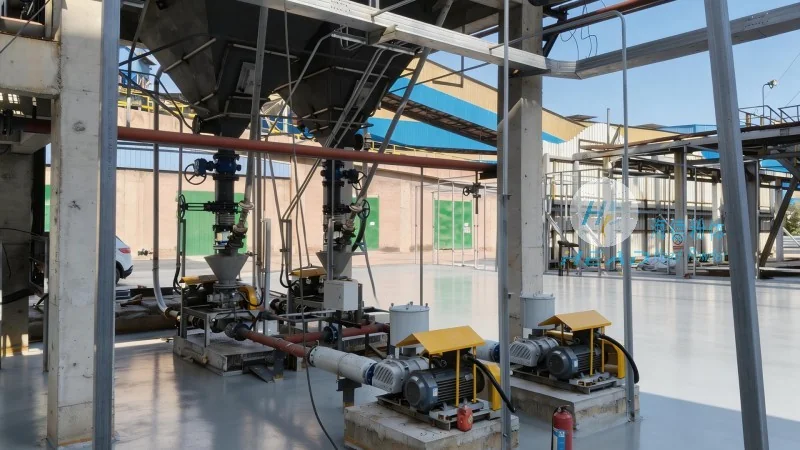
At the core of quantitative feeding material handling is the ability to control the flow rate of bulk materials. This is achieved through specialized equipment that regulates the amount of material being conveyed or processed. The primary goal is to achieve a uniform feed rate, which is crucial for processes such as mixing, blending, and batching. By maintaining a consistent flow, these systems prevent overloading or underloading of equipment, thereby reducing waste and improving overall productivity.
Shandong HeadPowder Engineering Co., Ltd., commonly known as HeadPowder, is a leading provider of advanced material handling solutions. With a focus on innovation and precision engineering, HeadPowder has developed state-of-the-art quantitative feeding systems tailored to meet the diverse needs of industrial applications. The company’s expertise lies in designing equipment that ensures accurate material measurement and delivery, adhering to strict industry standards. HeadPowder’s solutions are built to enhance operational efficiency while minimizing downtime and maintenance costs.
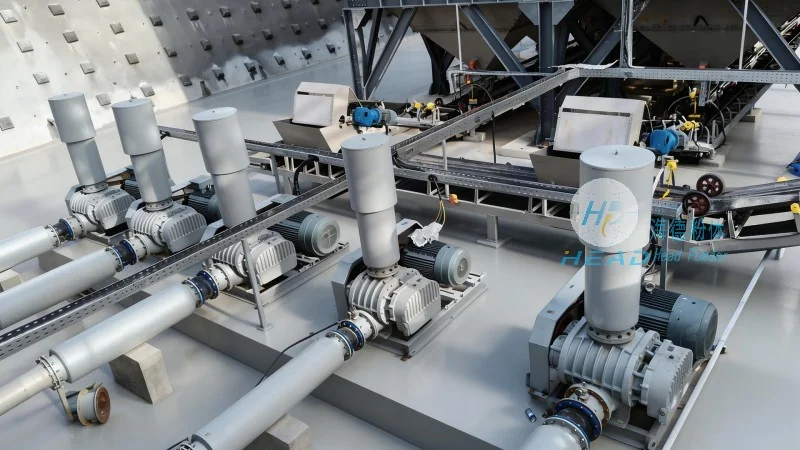
The design of quantitative feeding systems involves several critical principles that ensure optimal performance. One of the fundamental aspects is the selection of appropriate feeding equipment, such as screw feeders, belt feeders, or vibratory feeders, based on the material characteristics and processing requirements. The system must be capable of handling a wide range of material types, from powders and granules to bulk solids, without compromising accuracy. Additionally, the integration of sensors and control systems is essential for real-time monitoring and adjustment of the feed rate. This allows operators to respond quickly to changes in process conditions, ensuring that the output remains consistent.
Effective quantitative feeding relies on precise control over material flow. This involves mechanisms that regulate the speed and quantity of material being fed. For instance, variable-speed drives are commonly used to adjust the rotation speed of screw feeders, allowing for fine-tuned control of the feed rate. The design also considers factors like material density, particle size, and moisture content, as these variables can significantly impact the flow characteristics. By accounting for these factors, the system can maintain a stable and predictable feed rate, which is crucial for downstream processes that require uniform material input.
Quantitative feeding systems are often integrated with other processing equipment, such as mixers, blenders, or batching machines. The design must ensure seamless communication and coordination between these components. This integration allows for automated control of the entire material handling process, reducing the need for manual intervention and minimizing human error. The system should be capable of receiving input from upstream processes and adjusting its output accordingly, ensuring that the downstream equipment operates at its optimal capacity. This coordination is essential for maintaining product consistency and meeting production targets.
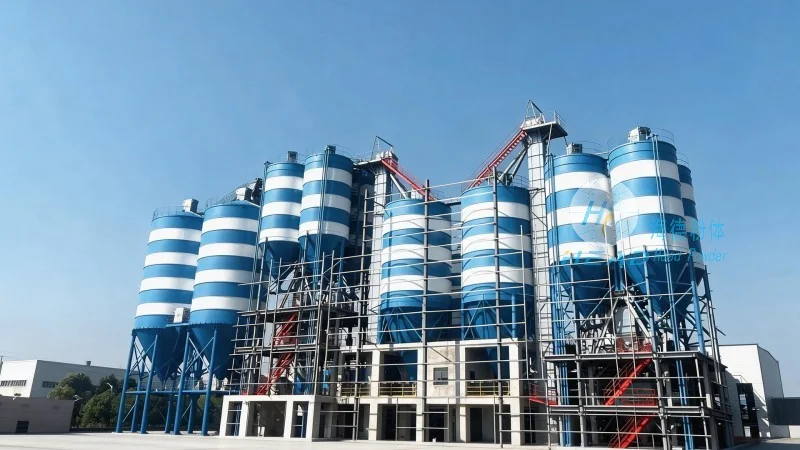
Proper maintenance is crucial for the long-term performance of quantitative feeding systems. Regular inspections and servicing help identify potential issues before they lead to equipment failure or material loss. The design of the system should include features that facilitate easy access to components for cleaning and maintenance, reducing downtime. Additionally, the use of durable materials and robust construction ensures that the equipment can withstand the harsh conditions of industrial environments. HeadPowder’s quantitative feeding systems are engineered with these considerations in mind, providing reliable performance over extended periods.
In conclusion, quantitative feeding material handling is a sophisticated process that requires careful consideration of design principles to achieve optimal results. The systems developed by companies like Shandong HeadPowder Engineering Co., Ltd. play a vital role in ensuring that industrial operations run smoothly and efficiently. By focusing on precision, reliability, and integration, these systems contribute significantly to the success of various industrial applications. As industries continue to demand higher levels of efficiency and accuracy, the importance of well-designed quantitative feeding systems will only grow.

 Shandong Headpowder Engineering Co., Ltd.
 156-6277-7102(Manager Zhang)
  0531-83386006
  Zhangqiu District, Jinan City, Shandong Province, China
telephone
WeChatconsult
top