What is a White Mud Powder Conveyor? And What Are Its Design Principles?
Release time:2026-09-14 18:04:28
name of the company:Shandong Headpowder Engineering Co., Ltd.
telephone:156-6277-7102
contacts:Manager Zhang
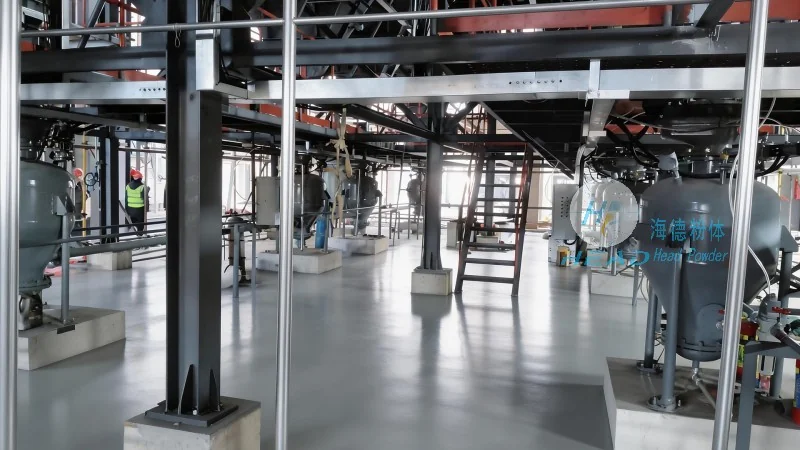
White mud powder conveyors are specialized equipment used in industrial processes for transporting white mud, a type of fine powder often encountered in industries such as papermaking, chemical processing, and mineral processing. Understanding the functionality and design principles of these conveyors is crucial for optimizing material handling operations and ensuring efficient production workflows.
Introduction to White Mud Powder Conveyors
White mud, also known as sludge or waste slurry, is a byproduct generated during the processing of pulp and paper or other industrial operations. It consists of fine particles mixed with water, making it challenging to transport using conventional methods. White mud powder conveyors are engineered to handle this material efficiently, minimizing dust generation and ensuring a clean, controlled transfer process. The equipment is designed to maintain the integrity of the white mud while moving it from one location to another within a facility.
Key Components of a White Mud Powder Conveyor
White mud powder conveyors typically consist of several key components that work together to achieve effective material transport. These components include:
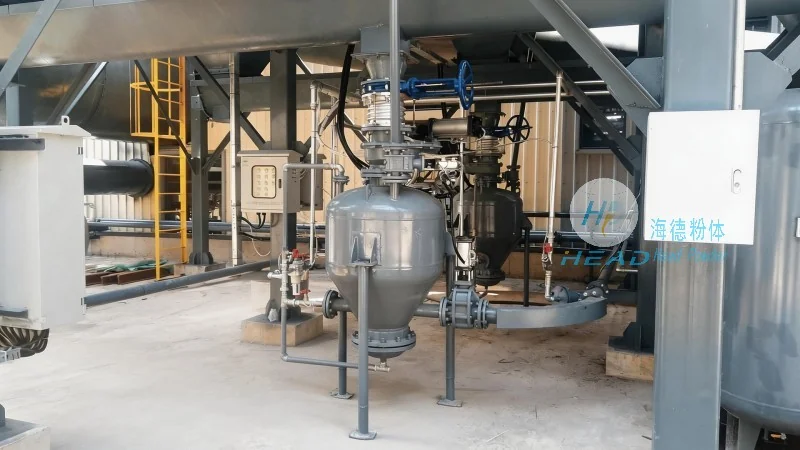
- Pneumatic Conveying System: Many white mud conveyors utilize a pneumatic system, where air pressure is used to move the powder through a pipeline. This method is particularly effective for fine powders like white mud, as it reduces the risk of clogging and minimizes the need for mechanical parts.
- Feeding Hopper: The feeding hopper is responsible for collecting and storing the white mud before it is conveyed. It is designed to handle the bulk material and ensure a consistent flow into the conveyor system.
- Pipeline and Fittings: The pipeline is made of materials resistant to the corrosive properties of white mud, such as stainless steel or special coatings. Fittings and elbows are strategically placed to guide the material through the system without causing blockages.
- Control System: A control system monitors and regulates the flow of air and material, ensuring optimal performance and preventing overloading or underloading of the conveyor.
Design Principles for White Mud Powder Conveyors
The design of white mud powder conveyors is based on several fundamental principles to ensure reliability and efficiency. These principles include:
- Material Compatibility: The equipment is constructed using materials that are resistant to the chemical and physical properties of white mud, such as corrosion and abrasion. This ensures a long service life and minimal maintenance.
- Airflow Management: Proper airflow is critical for maintaining the velocity of the white mud particles within the pipeline. Insufficient airflow can lead to clogging, while excessive airflow may cause excessive pressure drops and energy consumption.
- Particle Size Consideration: The design takes into account the particle size distribution of the white mud. Finer particles require higher airflow velocities to prevent settling, while larger particles may need additional agitation or mixing to maintain suspension.
- Energy Efficiency: Modern white mud conveyors are designed to minimize energy consumption by optimizing the airflow and reducing pressure losses in the pipeline. This not only lowers operational costs but also contributes to environmental sustainability.
Applications of White Mud Powder Conveyors
White mud powder conveyors are widely used in various industrial applications where white mud is a byproduct. Some common applications include:
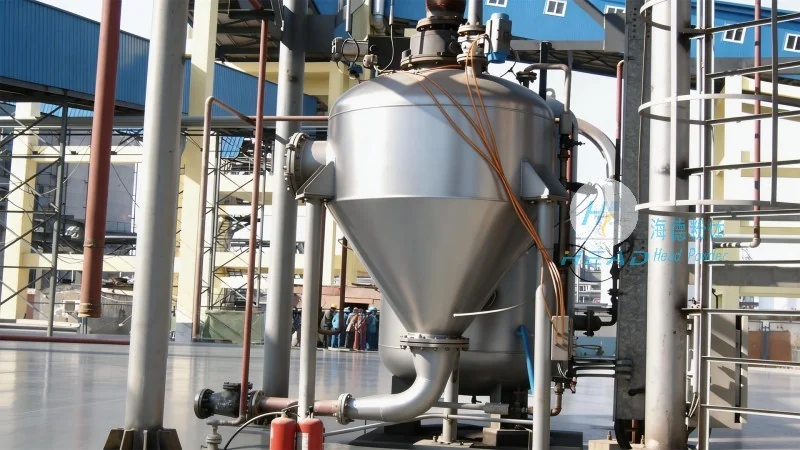
- Paper and Pulp Industry: In the papermaking process, white mud is generated as a waste product from the bleaching and washing stages. Conveyors are used to transport this material to treatment facilities or disposal sites.
-
- Chemical Processing: In chemical plants, white mud may be produced during the processing of minerals or chemicals. Conveyors are used to transport this material to storage or processing areas, ensuring a smooth workflow.
- Mineral Processing: In mining operations, white mud can be generated during the extraction and processing of minerals. The conveyors help in moving this material to processing units or disposal sites, improving overall operational efficiency.
Advantages of Using White Mud Powder Conveyors
Implementing white mud powder conveyors in industrial processes offers several advantages over traditional methods:
- Reduced Dust and Pollution: Pneumatic conveyors minimize dust generation compared to mechanical systems, leading to a cleaner working environment and reduced environmental impact.
- Efficient Material Handling: The equipment allows for the continuous and controlled transport of white mud, reducing downtime and improving production throughput.
- Low Maintenance: With fewer moving parts and a simple design, white mud conveyors require minimal maintenance, resulting in lower operational costs.
- Customizable Solutions: Manufacturers like headpowder can provide customized conveyor systems to meet the specific requirements of different industries and applications.
Conclusion
White mud powder conveyors are essential equipment for industries dealing with fine powders like white mud. By understanding the design principles and components of these conveyors, businesses can optimize their material handling processes and improve overall operational efficiency. Companies such as Shandong HeadPowder Engineering Co., Ltd. play a crucial role in providing reliable and efficient conveyor solutions that meet the demands of modern industrial operations.

 Shandong Headpowder Engineering Co., Ltd.
 156-6277-7102(Manager Zhang)
  0531-83386006
  Zhangqiu District, Jinan City, Shandong Province, China