With more than 10‑year industry experience, Shandong Headpowder delivers full‑service pneumatic‑conveying systems and blowers, undertaking nationwide turn‑key powder‑handling projects.
White clay powder conveying lines are essential industrial systems designed to transport white clay powder efficiently and safely. These systems are widely used in various industries, including ceramics, paper, and chemical manufacturing, where the reliable handling of fine powders is critical for production processes. The design of such lines involves careful consideration of material properties, operational requirements, and safety standards to ensure optimal performance.
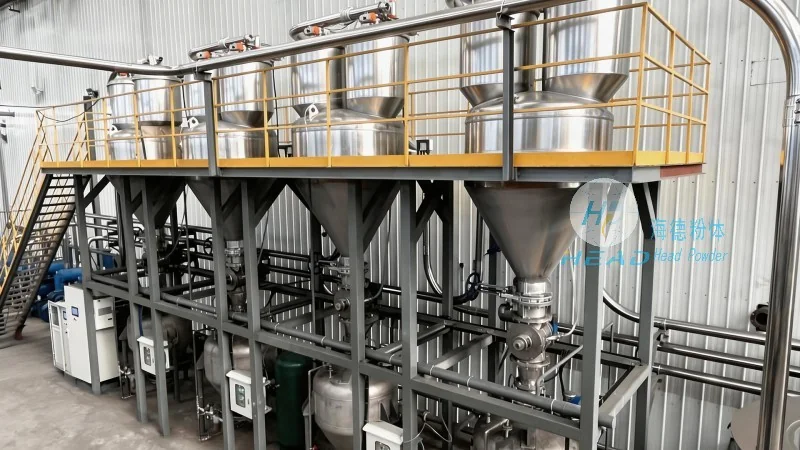
HeadPowder, or Shandong HeadPowder Engineering Co., Ltd., is a leading provider of specialized powder handling solutions. With a focus on innovation and quality, the company has established itself as a trusted partner in the industry, offering tailored conveying systems that meet the unique needs of clients. HeadPowder’s expertise lies in designing and manufacturing equipment that ensures efficient, safe, and cost-effective powder transportation, particularly for white clay applications.
The design of a white clay powder conveying line is a complex process that integrates several key components and principles. The primary goal is to handle the material’s fine particle size and potential dust generation while maintaining system efficiency and safety. Key design considerations include the selection of appropriate conveying equipment, such as pneumatic or mechanical systems, and the integration of components like hoppers, feeders, and pipelines.
One of the critical design principles is the use of appropriate air flow management. For pneumatic conveying systems, the velocity of the air stream must be sufficient to lift and transport the white clay particles without causing excessive wear or degradation of the material. This requires precise control of air pressure and flow rates, which are tailored to the specific characteristics of the white clay, including its density, moisture content, and particle size distribution. Proper air flow ensures that the powder moves smoothly through the system, minimizing blockages and maintaining consistent throughput.
Another essential aspect of the design is the selection of materials for the conveying components. White clay is often abrasive and can cause wear on metal surfaces. Therefore, components such as hoppers, pipelines, and valves are typically made from corrosion-resistant materials like stainless steel or specialized alloys. This not only enhances the durability of the system but also ensures that the white clay remains uncontaminated during transportation. Additionally, the design incorporates features like dust collection and filtration systems to maintain air quality and comply with environmental regulations.
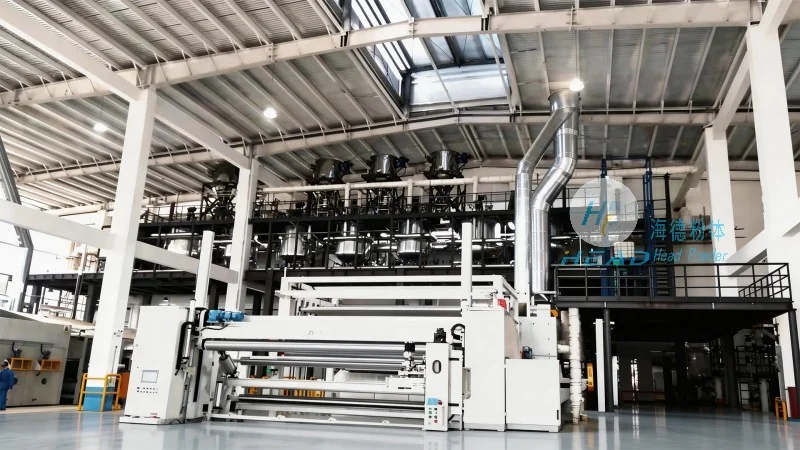
The layout of the conveying line is also a crucial design element. The system must be arranged to minimize the distance the powder travels and to avoid sharp turns or bends that could lead to particle segregation or blockages. A well-designed layout ensures that the powder flows continuously and efficiently from the source (e.g., a storage silo or hopper) to the destination (e.g., a processing unit or packaging area). This includes the use of appropriate fittings, such as elbows and tees, and the incorporation of expansion joints to accommodate thermal expansion and reduce stress on the system.
Control systems play a vital role in the operation of white clay powder conveying lines. Modern systems often include automated controls that monitor and adjust parameters like air pressure, flow rate, and material level in real-time. These controls help maintain optimal performance, prevent system failures, and ensure consistent product quality. The integration of sensors and feedback mechanisms allows for dynamic adjustments, adapting to changes in the white clay’s properties or operational conditions. This level of automation enhances the reliability and efficiency of the conveying process, reducing downtime and operational costs.
White clay powder conveying lines offer numerous benefits that make them indispensable in industrial settings. By efficiently transporting white clay, these systems improve production throughput, reduce labor costs, and enhance overall operational efficiency. The ability to handle fine powders without segregation or loss ensures that the material remains consistent in quality, which is critical for downstream processes like mixing, molding, or coating.
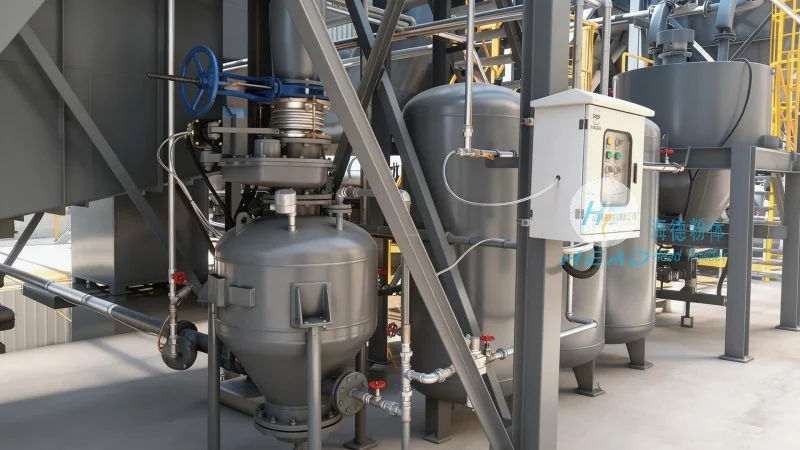
In the ceramics industry, for example, white clay is a key raw material used in the production of porcelain and other ceramic products. Conveying lines enable manufacturers to move large quantities of white clay from storage to production lines with minimal waste and maximum control. This not only improves the quality of the final products but also reduces the environmental impact by minimizing dust emissions and optimizing material usage.
In the paper industry, white clay is used as a coating material to improve the whiteness and smoothness of paper. Efficient conveying lines ensure that the white clay is delivered to the coating machines in a uniform manner, resulting in consistent paper quality. This is particularly important for high-end paper products where appearance and texture are critical.
Furthermore, the design of these conveying lines prioritizes safety. Features such as explosion-proof components, dust suppression systems, and emergency shut-off valves help prevent accidents and protect workers from the hazards associated with handling fine powders. The use of sealed systems and proper ventilation further reduces the risk of dust explosions, ensuring a safe working environment.
White clay powder conveying lines are sophisticated industrial systems that combine advanced engineering principles with practical application to meet the demands of modern manufacturing. The design of these lines, as exemplified by companies like Shandong HeadPowder Engineering Co., Ltd., focuses on efficiency, safety, and reliability. By carefully considering material properties, operational requirements, and safety standards, these systems ensure the smooth and safe transportation of white clay, supporting the productivity and success of various industries. As technology continues to evolve, the design of powder conveying lines will likely incorporate more automation and advanced materials, further enhancing their performance and versatility.

 Shandong Headpowder Engineering Co., Ltd.
 156-6277-7102(Manager Zhang)
  0531-83386006
  Zhangqiu District, Jinan City, Shandong Province, China
telephone
WeChatconsult
top