With more than 10‑year industry experience, Shandong Headpowder delivers full‑service pneumatic‑conveying systems and blowers, undertaking nationwide turn‑key powder‑handling projects.
HeadPowder, a leading engineering company based in Shandong, China, specializes in the design and implementation of efficient sand and soil powder conveying systems. This article aims to provide a comprehensive overview of what sand and soil powder conveying entails and the fundamental design principles that underpin such systems.
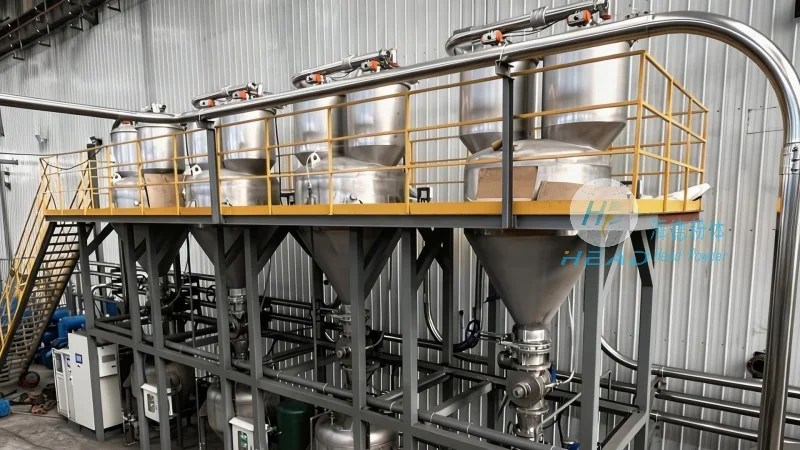
Sand and soil powder conveying refers to the process of transporting loose, granular materials like sand, soil, and other fine powders from one location to another. This is typically achieved through mechanical systems that can handle the unique properties of these materials, which often include high density, abrasive nature, and varying particle sizes. The primary goal of such systems is to move these materials in a controlled, efficient, and safe manner, minimizing dust generation and ensuring consistent flow rates.
The design of a sand and soil powder conveying system involves several critical principles to ensure optimal performance and longevity. These principles are tailored to address the challenges posed by the material's physical characteristics, such as its tendency to settle, clog, or cause wear on equipment. A well-designed system will incorporate elements that manage these challenges effectively.
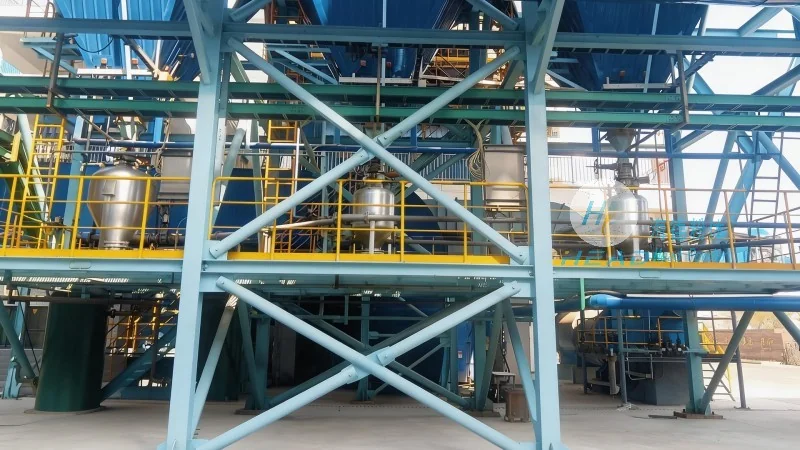
At the core of any sand and soil powder conveying system are several key components, each playing a vital role in the overall operation. The primary components typically include a feeding device, a conveying mechanism, a control system, and a dust collection or suppression system. The feeding device, such as a hopper or a rotary valve, ensures a consistent and controlled feed of the material into the system. The conveying mechanism, which may be a screw conveyor, pneumatic conveyor, or a combination of both, is responsible for transporting the material through the system. The control system manages the flow rates, pressure, and other operational parameters to maintain system efficiency. Finally, the dust collection or suppression system is crucial for maintaining a safe and clean working environment by capturing and containing dust particles.
When designing a sand and soil powder conveying system, engineers must consider several factors related to the material being handled. These include the material's density, particle size distribution, moisture content, and abrasiveness. The density of the material affects the power requirements and the capacity of the conveying equipment. Particle size distribution influences the choice of conveying method, as finer particles may require pneumatic systems or specialized screw designs to prevent clogging. Moisture content can affect the material's flowability and may necessitate drying or conditioning steps before conveying. Abrasiveness, a common characteristic of sand and soil, dictates the need for wear-resistant materials in the construction of the system components, such as liners, bearings, and seals.
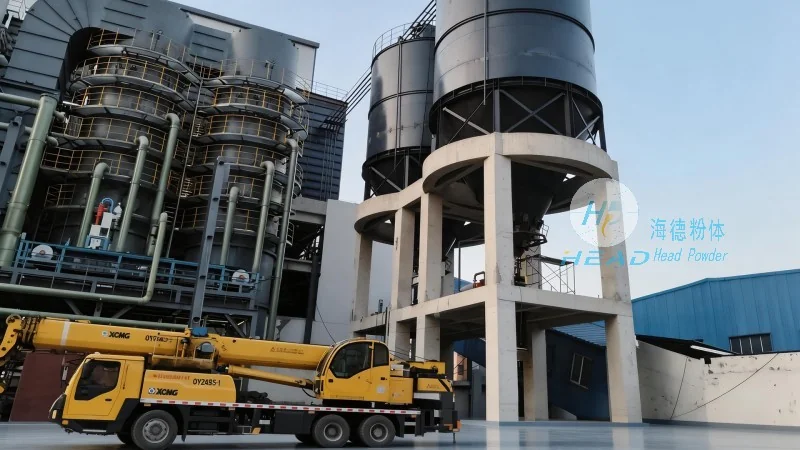
Effective flow control is essential for the smooth operation of a sand and soil powder conveying system. This involves managing the material's flow rate, pressure, and velocity to prevent issues like blockages, excessive wear, or uneven distribution. The design of the feeding and conveying components must allow for precise control over these parameters. For instance, variable speed drives on screw conveyors can adjust the rotation speed to match the required flow rate, while pressure sensors can monitor the system's performance and trigger adjustments as needed. Maintaining system efficiency also involves regular maintenance and monitoring to ensure that all components are functioning optimally and that any potential issues are addressed promptly.
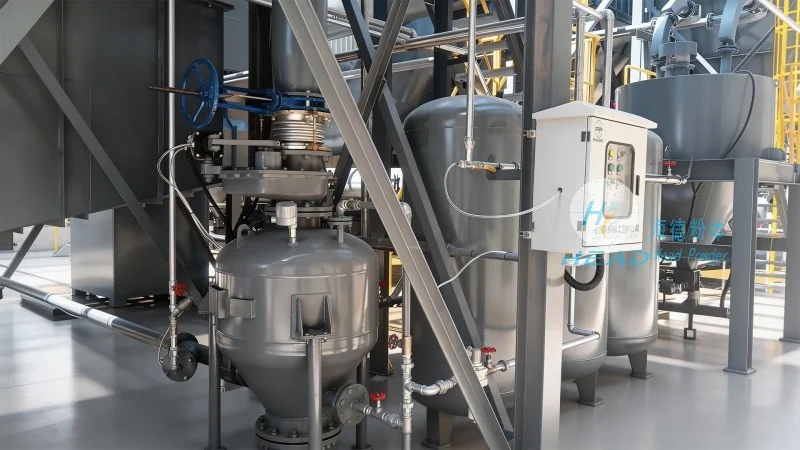
Sand and soil powder conveying systems must adhere to strict safety and environmental standards to protect both personnel and the environment. Dust suppression systems, such as baghouses or wet scrubbers, are commonly used to capture and treat dust emissions, reducing the risk of respiratory issues and environmental contamination. Additionally, the system design must include safety features like emergency shut-off valves, pressure relief devices, and proper ventilation to prevent accidents and ensure compliance with regulatory requirements. These considerations are critical for maintaining a safe working environment and ensuring the long-term sustainability of the operation.
In conclusion, sand and soil powder conveying is a specialized field that requires careful consideration of the material's properties and the system's design principles. A well-engineered system, like those offered by HeadPowder, combines advanced components and thoughtful design to achieve efficient, safe, and reliable material transport. By understanding the key principles and components involved, engineers can develop systems that meet the specific needs of various applications, from construction and mining to industrial processing.

 Shandong Headpowder Engineering Co., Ltd.
 156-6277-7102(Manager Zhang)
  0531-83386006
  Zhangqiu District, Jinan City, Shandong Province, China
telephone
WeChatconsult
top