With more than 10‑year industry experience, Shandong Headpowder delivers full‑service pneumatic‑conveying systems and blowers, undertaking nationwide turn‑key powder‑handling projects.
When it comes to efficient material handling in industrial settings, especially for bulk materials like sawdust and wood flakes, the choice of a pneumatic conveying system can significantly impact operational efficiency and cost-effectiveness. A sawdust and wood flakes pneumatic conveying system equipment represents a specialized solution designed to transport these lightweight, often dusty materials with precision and reliability. This article will explore the fundamental aspects of such systems, including their design principles and the key components that make them effective in various industrial applications.
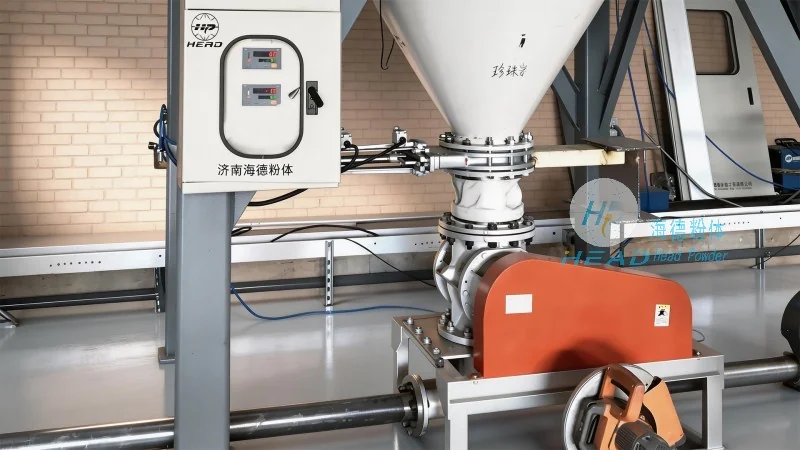
The sawdust and wood flakes pneumatic conveying system is a type of pneumatic transport technology that uses compressed air or gas to move bulk materials through a pipeline. Unlike traditional mechanical conveyors, which rely on moving parts and may be prone to material degradation or blockages, pneumatic systems offer a more flexible and gentle method of material handling. This makes them particularly suitable for delicate materials like sawdust and wood flakes, which can be easily damaged or contaminated by friction or impact.
HeadPowder, a leading manufacturer in the field, specializes in designing and manufacturing high-quality pneumatic conveying systems tailored to the unique characteristics of sawdust and wood flakes. With a strong presence in Shandong, China, HeadPowder Engineering Co., Ltd. leverages years of expertise to develop solutions that meet the specific needs of woodworking, biomass processing, and other industries that rely on the efficient transport of these materials.
At the core of any sawdust and wood flakes pneumatic conveying system are several critical components that work in tandem to ensure smooth material transport. The primary components include the material feed hopper, the air supply system (usually a blower or compressor), the conveying pipeline, and the discharge unit. Each component plays a vital role in the overall operation of the system.
The material feed hopper is responsible for storing and feeding the sawdust or wood flakes into the system. It is typically designed with a hopper or a rotary valve to control the flow rate and prevent material buildup. The air supply system provides the necessary pressure and volume of air to move the material through the pipeline. This can range from low-pressure systems (around 0.5 to 1 bar) to high-pressure systems (up to 10 bar or more), depending on the distance and material characteristics.
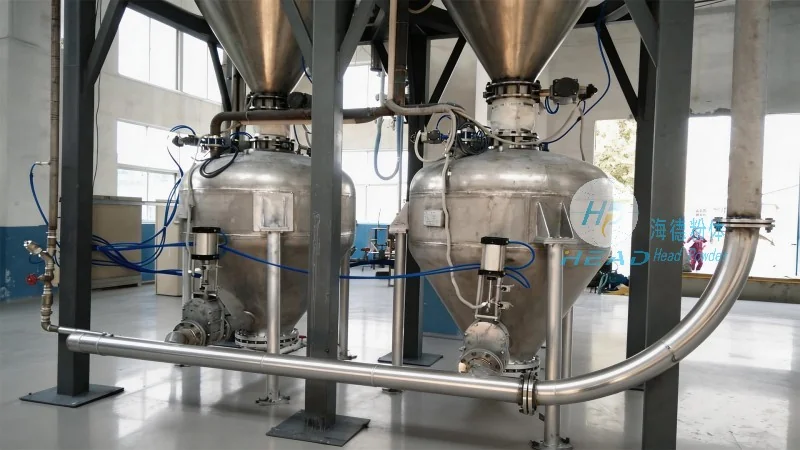
The conveying pipeline is the main channel through which the material and air travel. It is usually made of stainless steel or other corrosion-resistant materials to handle the abrasive nature of sawdust and wood flakes. The pipeline design, including the use of bends, elbows, and expansion joints, is crucial for maintaining system efficiency and preventing pressure losses or material blockages. The discharge unit, at the end of the pipeline, collects the conveyed material and may include a filter or separator to remove any remaining air or dust.
The design of a sawdust and wood flakes pneumatic conveying system is guided by several key principles aimed at maximizing efficiency, minimizing energy consumption, and ensuring material integrity. One of the primary design considerations is the material's characteristics, such as its density, moisture content, and flowability. Sawdust and wood flakes are typically low-density materials with a tendency to form clumps or agglomerates, which can affect the system's performance. Therefore, the design must account for these factors to ensure consistent and reliable transport.
Another critical design principle is the system's pressure and velocity. The velocity of the air in the pipeline must be sufficient to keep the material suspended and prevent it from settling or sticking to the pipeline walls. However, excessive velocity can lead to increased energy consumption and potential damage to the material. The optimal velocity is typically determined through calculations based on the material's properties and the system's layout. Additionally, the system's pressure drop must be minimized to reduce energy costs and maintain consistent flow rates.
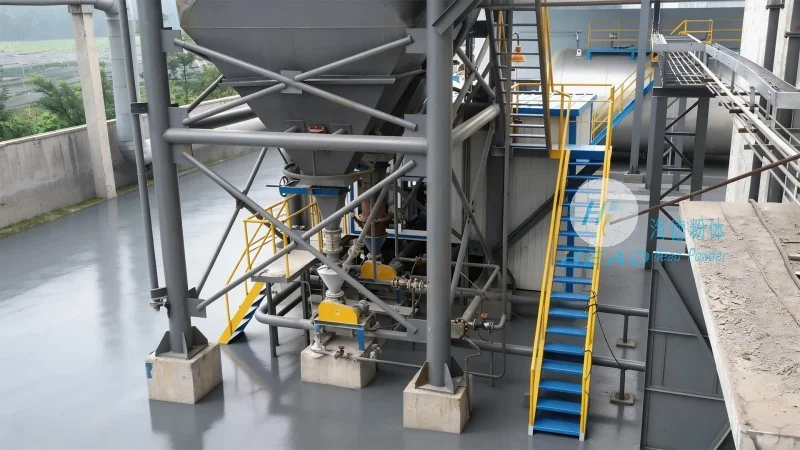
The choice of components, such as the blower type and the material of the pipeline, also plays a significant role in the system's design. Centrifugal blowers are commonly used for low-pressure systems due to their efficiency and ability to handle large volumes of air. For high-pressure applications, positive displacement blowers may be more suitable. The pipeline material, often stainless steel or PVC, must be selected based on the material's corrosiveness and the system's operating conditions. Proper sealing and maintenance of all components are also essential to prevent leaks and ensure long-term system reliability.
Sawdust and wood flakes pneumatic conveying systems find wide applications in various industries, including woodworking, biomass energy production, and particleboard manufacturing. In these industries, the efficient transport of sawdust and wood flakes is crucial for maintaining production lines and reducing material waste. The benefits of using such systems include improved process control, reduced labor costs, and enhanced safety by minimizing manual handling of dusty materials.
For example, in a woodworking facility, a pneumatic conveying system can transport sawdust from the cutting area to a storage silo or a processing unit, where it can be used as a raw material for other products or as a fuel source. In biomass processing plants, the system can move wood flakes from a storage area to a combustion chamber or a pelletizing machine. The ability to handle these materials in a dust-free and controlled manner not only improves product quality but also reduces environmental impact by minimizing emissions.
Furthermore, the flexibility of pneumatic conveying systems allows for easy integration into existing production lines. They can be configured to transport materials over short or long distances, and the system can be adapted to handle changes in material flow rates or types. This adaptability makes them a valuable asset for industries that require versatile material handling solutions.

 Shandong Headpowder Engineering Co., Ltd.
 156-6277-7102(Manager Zhang)
  0531-83386006
  Zhangqiu District, Jinan City, Shandong Province, China
telephone
WeChatconsult
top