With more than 10‑year industry experience, Shandong Headpowder delivers full‑service pneumatic‑conveying systems and blowers, undertaking nationwide turn‑key powder‑handling projects.
Ammonium bicarbonate, a widely used chemical in various industrial applications, often requires efficient and reliable handling methods. The ammonium bicarbonate pneumatic conveying system is a specialized solution designed to transport this material safely and effectively. This system utilizes air or other gases to move the material through a pipeline, eliminating the need for traditional mechanical conveyors that may pose challenges with this particular chemical. By leveraging pneumatic technology, the system ensures minimal product degradation, maintains product integrity, and offers a flexible solution for material transport in industrial settings.
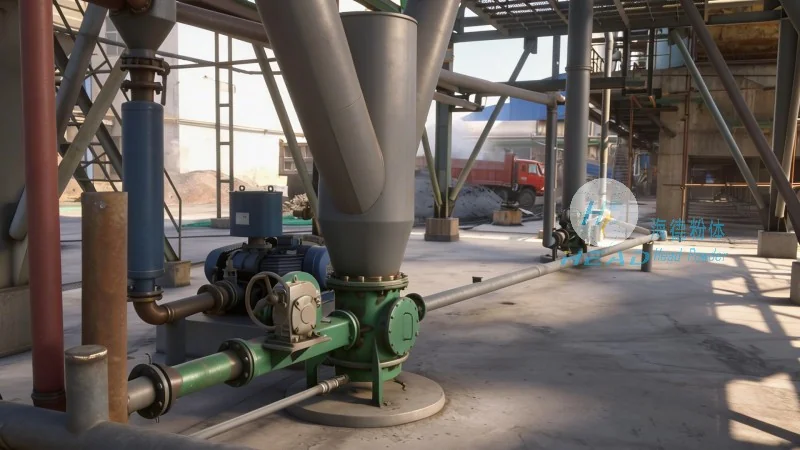
HeadPowder, operating as Shandong HeadPowder Engineering Co., Ltd., is a prominent company based in Shandong, China, dedicated to providing advanced pneumatic conveying systems for various chemical and industrial applications. With a strong focus on innovation and customer satisfaction, HeadPowder has established itself as a trusted partner in the industry, delivering high-quality equipment and expert solutions tailored to meet the specific needs of clients. The company’s expertise in designing and manufacturing pneumatic conveying systems, including those for ammonium bicarbonate, reflects its commitment to excellence and adherence to industry standards.
The design of an ammonium bicarbonate pneumatic conveying system involves several key principles to ensure optimal performance and safety. First, the system must consider the physical and chemical properties of ammonium bicarbonate, such as its particle size, moisture content, and reactivity. These factors influence the selection of air velocity, pipeline diameter, and material handling equipment. For instance, ammonium bicarbonate is a hygroscopic material, meaning it absorbs moisture from the air, which can affect its flow characteristics and stability. Therefore, the system design incorporates features to control humidity and maintain the material’s quality during transport.
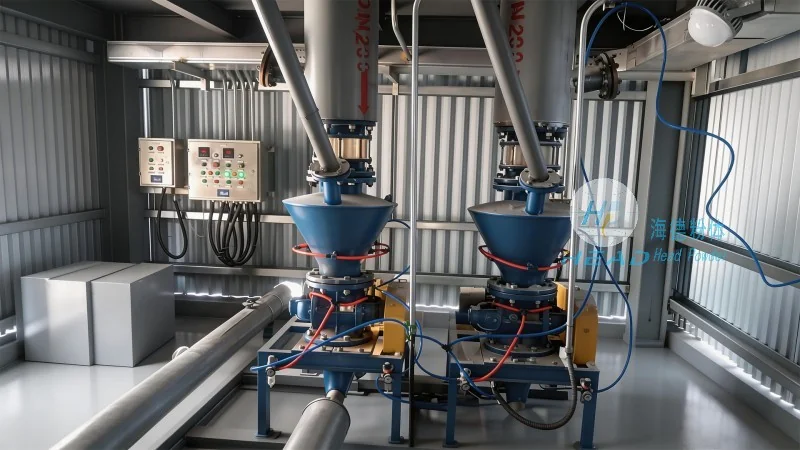
Second, the system’s design prioritizes safety and environmental compliance. Ammonium bicarbonate is a volatile compound, and improper handling can lead to dust explosions or other hazards. The pneumatic conveying system includes safety measures like explosion-proof components, dust collection systems, and pressure relief valves to mitigate these risks. Additionally, the system is designed to minimize product loss and environmental impact, ensuring that the material is transported efficiently without causing contamination or waste.
Third, the system’s design emphasizes energy efficiency and operational flexibility. Modern pneumatic conveying systems use advanced control technologies to optimize air usage and reduce energy consumption. This includes variable frequency drives (VFDs) that adjust air pressure and flow based on the material’s demand, as well as automated control systems that monitor and regulate the conveying process. The flexibility of the system allows it to handle varying material volumes and flow rates, making it suitable for different production scales and applications.
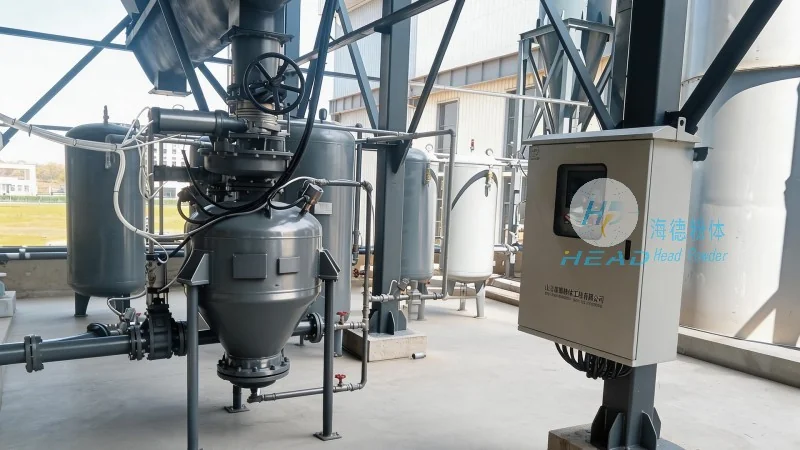
The ammonium bicarbonate pneumatic conveying system consists of several critical components that work together to ensure smooth and efficient material transport. The primary components include the material feed hopper, the air compressor or blower, the conveying pipeline, the material separator or cyclone, and the discharge outlet. The feed hopper is designed to store and feed the ammonium bicarbonate into the system, ensuring a consistent flow of material. The air compressor or blower generates the necessary air pressure to move the material through the pipeline, with the air velocity carefully controlled to prevent material degradation or blockages.
The conveying pipeline is typically made of corrosion-resistant materials, such as stainless steel or polyethylene, to withstand the chemical properties of ammonium bicarbonate and prevent contamination. The pipeline diameter and length are optimized based on the material’s flow characteristics and the required conveying distance. The material separator or cyclone is a crucial component that separates the material from the air stream, allowing the material to be discharged at the destination while the air is recirculated or vented. This component ensures that the material is collected efficiently and without loss, maintaining product quality.
The ammonium bicarbonate pneumatic conveying system is widely used in various industries, including agriculture, food processing, and chemical manufacturing. In agriculture, it is used to transport ammonium bicarbonate as a fertilizer, ensuring that the material is delivered to farms efficiently and safely. In food processing, the system is employed to handle ammonium bicarbonate as a food additive, maintaining the product’s quality and preventing contamination. In chemical manufacturing, the system is used to transport ammonium bicarbonate in production processes, supporting the manufacturing of other chemical products.
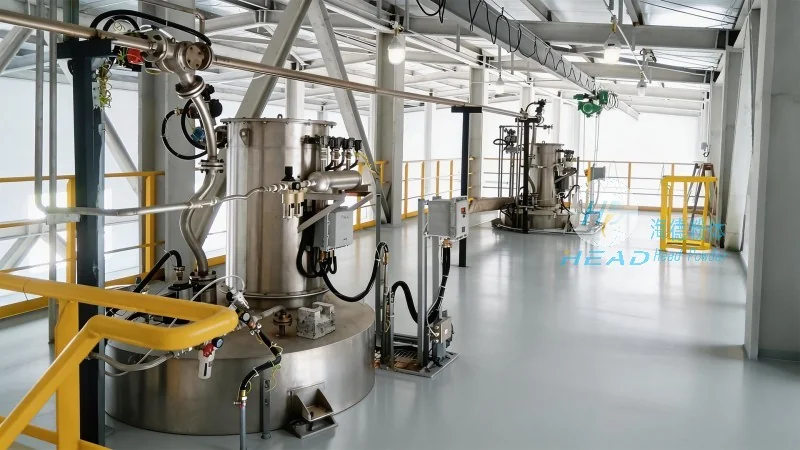
One of the key benefits of this system is its ability to handle abrasive or sensitive materials without causing damage. Ammonium bicarbonate is a relatively soft material, but it can still be affected by mechanical stress or friction. The pneumatic conveying system minimizes these risks by using air to move the material, reducing the need for mechanical contact. This results in higher product quality and reduced maintenance costs. Additionally, the system offers a flexible and scalable solution, allowing it to be adapted to different production requirements and growth needs.
Ammonium bicarbonate pneumatic conveying systems are essential for efficient and safe material handling in various industrial applications. The design principles and components of these systems are carefully engineered to meet the specific needs of ammonium bicarbonate, ensuring optimal performance and product integrity. Companies like Shandong HeadPowder Engineering Co., Ltd. play a crucial role in providing these advanced solutions, leveraging their expertise and innovation to support the industry’s demands. By investing in such systems, businesses can enhance their operational efficiency, reduce costs, and improve overall productivity while maintaining safety and environmental standards.

 Shandong Headpowder Engineering Co., Ltd.
 156-6277-7102(Manager Zhang)
  0531-83386006
  Zhangqiu District, Jinan City, Shandong Province, China
telephone
WeChatconsult
top