With more than 10‑year industry experience, Shandong Headpowder delivers full‑service pneumatic‑conveying systems and blowers, undertaking nationwide turn‑key powder‑handling projects.
Corn flour pneumatic conveying systems are specialized industrial equipment designed to transport corn flour and other fine powders efficiently and safely. These systems utilize air pressure or vacuum to move bulk materials through a pipeline, eliminating the need for traditional mechanical conveyors like belts or buckets. The technology is widely used in the food processing, pharmaceutical, and chemical industries due to its ability to handle delicate powders without causing contamination or degradation.
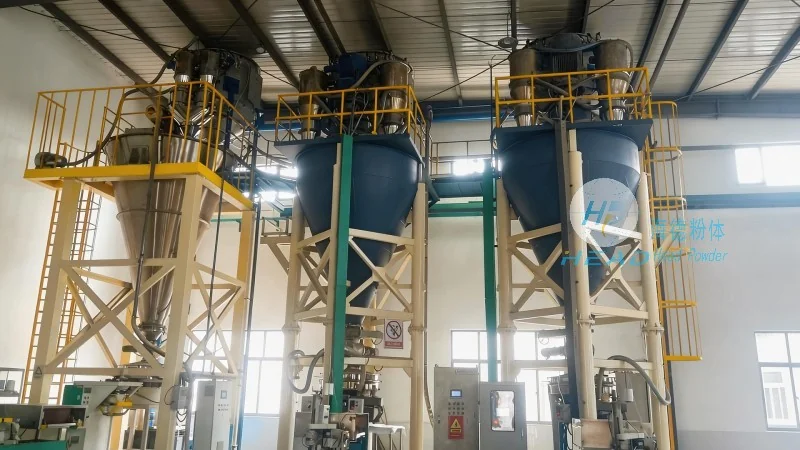
The design of a corn flour pneumatic conveying system is governed by several key principles that ensure optimal performance and reliability. First, the system must be capable of handling the specific properties of corn flour, such as its fine particle size, moisture content, and flow characteristics. Engineers must consider factors like the material's density, bulk density, and dust generation potential to select the appropriate conveying method—either positive pressure, negative pressure, or a combination of both.
Second, the system's design must prioritize safety and hygiene, especially in food processing applications. This includes features like sealed pipelines, easy-to-clean components, and compliance with industry standards like FDA and GMP regulations. The choice of materials for construction, such as stainless steel or food-grade plastics, is critical to prevent contamination and maintain product quality.
Third, energy efficiency and operational cost are important design considerations. Engineers optimize the system's air flow rate, pressure, and pipeline diameter to minimize energy consumption while ensuring sufficient conveying capacity. This involves calculating the required air velocity, pressure drop, and system resistance to achieve the desired material flow rate without excessive energy use.
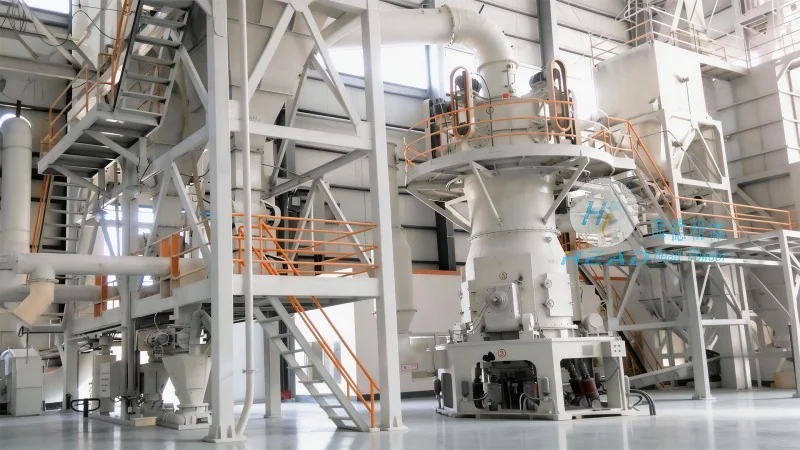
A standard corn flour pneumatic conveying system consists of several key components that work together to transport the material. The main parts include a hopper or feed hopper to store the corn flour, a feeder (such as a rotary valve or screw feeder) to control the material flow into the pipeline, a conveying line (made of flexible or rigid tubing), a dust collector or filter to capture any airborne particles, and a receiver or discharge hopper to collect the material at the destination.
The feeder is a critical component that regulates the flow of corn flour into the system, preventing overloading or underloading that could affect the conveying efficiency. The conveying line is typically made of materials like stainless steel or PVC, chosen for their durability and resistance to corrosion and abrasion from the fine powder. The dust collector is essential for maintaining air quality and preventing dust accumulation in the system, which can lead to blockages or equipment damage.
The system operates by creating a pressure differential between the inlet and outlet of the conveying line. In positive pressure systems, compressed air is introduced at the inlet, pushing the corn flour through the pipeline to the receiver. In negative pressure systems, a vacuum is created at the receiver, drawing the material from the hopper through the line. The design of the system must account for the pressure drop along the pipeline, which increases with the length and diameter of the line, as well as the number of bends and fittings.
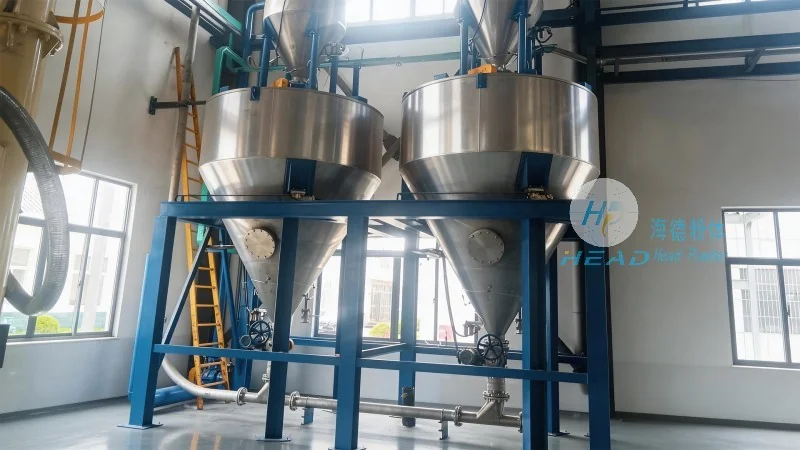
Corn flour pneumatic conveying systems are used in a variety of applications across different industries. In the food industry, they are commonly employed in flour mills, bakeries, and snack food manufacturers to transport corn flour from storage silos to processing equipment. The systems help maintain product quality by minimizing exposure to air and preventing cross-contamination with other materials.
In the pharmaceutical industry, the systems are used to transport fine powders for drug manufacturing, where cleanliness and precision are paramount. The sealed design of the system prevents contamination from external sources and ensures that the powders remain sterile during transport. In the chemical industry, the systems are used to handle various powders, including those that are abrasive or corrosive, due to their robust construction and ability to handle high-pressure conditions.
The benefits of using pneumatic conveying systems for corn flour include improved efficiency, reduced labor costs, and enhanced safety. Unlike mechanical conveyors, which require regular maintenance and can cause dust explosions, pneumatic systems are less prone to these issues. Additionally, the systems can be easily integrated into existing production lines, allowing for flexible and scalable operations.
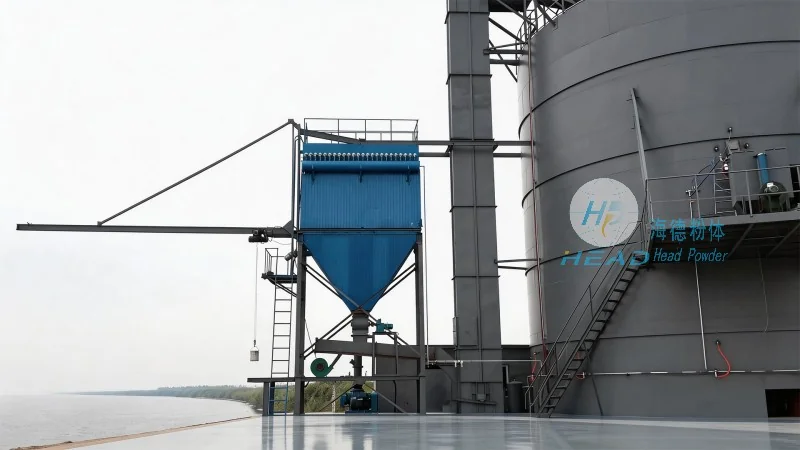
HeadPowder, or Shandong HeadPowder Engineering Co., Ltd., is a leading provider of industrial conveying systems, specializing in solutions for corn flour and other fine powders. With a focus on innovation and customer satisfaction, HeadPowder designs and manufactures high-quality pneumatic conveying systems tailored to the specific needs of its clients.
HeadPowder's team of experienced engineers and technicians work closely with customers to understand their unique requirements, from material properties to production volumes and safety standards. The company offers a range of products, including positive pressure and negative pressure systems, as well as custom-designed solutions to meet specific application needs. All systems are manufactured using high-quality materials and adhere to international standards, ensuring reliability and durability.
HeadPowder is committed to providing comprehensive support to its clients, from system design and installation to maintenance and troubleshooting. The company's facilities are located in Shandong, China, where it leverages advanced manufacturing capabilities and a skilled workforce to deliver top-tier products and services. By choosing HeadPowder, industrial facilities can enhance their operational efficiency, improve product quality, and ensure compliance with industry regulations.

 Shandong Headpowder Engineering Co., Ltd.
 156-6277-7102(Manager Zhang)
  0531-83386006
  Zhangqiu District, Jinan City, Shandong Province, China
telephone
WeChatconsult
top