

What is a Corn Pneumatic Conveying System? And What Are Its Design Principles?
For industries dealing with corn processing, efficient material handling is crucial. A corn pneumatic conveying system offers a reliable solution for transporting corn and related products. This article explores the fundamental aspects of such systems, including their design principles and practical applications.
What Is a Corn Pneumatic Conveying System?
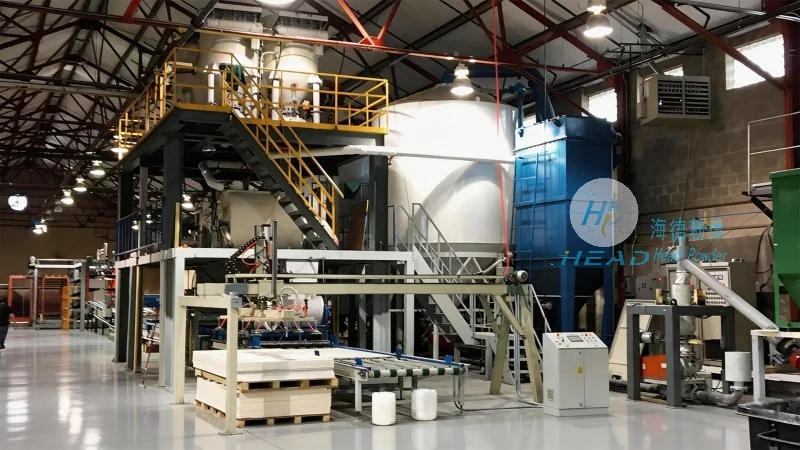
A corn pneumatic conveying system utilizes air pressure or vacuum to move corn and other bulk materials from one location to another. Unlike traditional mechanical conveyors, this system employs a pipeline network where the material is suspended and propelled by air flow. The system typically consists of a hopper, a conveying line, a dust collector, and a discharge point. It is widely used in corn processing facilities, grain storage, and agricultural operations to ensure smooth and efficient material transfer.
Key Components of the System
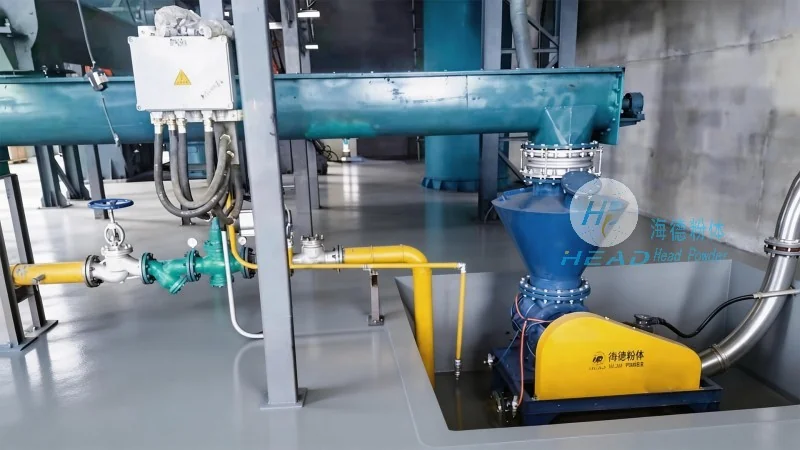
The effectiveness of a corn pneumatic conveying system depends on several key components. The hopper serves as the storage and feeding unit, where corn is loaded and prepared for transport. The conveying line, often made of stainless steel or other corrosion-resistant materials, carries the corn through the system. A dust collector is essential to capture and filter air particles, ensuring a clean and safe working environment. The discharge point is where the corn is released at the destination, such as a processing unit or storage silo. Each component works in harmony to maintain the system's efficiency and reliability.
Design Principles for Efficient Operation
The design of a corn pneumatic conveying system follows specific principles to ensure optimal performance. The system must be designed to handle the specific characteristics of corn, such as its density, moisture content, and flowability. The air velocity within the conveying line is a critical factor; it must be sufficient to lift and transport the corn without causing excessive wear on the equipment. The system's layout, including the length and angle of the conveying line, is carefully planned to minimize energy consumption and maximize material throughput. Additionally, the system should be equipped with proper controls and monitoring devices to adjust air pressure and flow rates as needed, ensuring consistent and reliable operation.
Applications in Corn Processing
Corn pneumatic conveying systems are widely applied in various stages of corn processing. In grain storage facilities, they are used to transfer corn from storage silos to processing units, ensuring a continuous supply of raw material. During the milling process, the system can transport corn from the grinding area to the packaging section, maintaining a steady flow of product. In agricultural operations, the system aids in moving harvested corn from fields to storage or processing centers, reducing manual labor and improving operational efficiency. The versatility of the system makes it suitable for different scales of production, from small-scale farms to large industrial facilities.
Advantages of Using a Pneumatic Conveying System
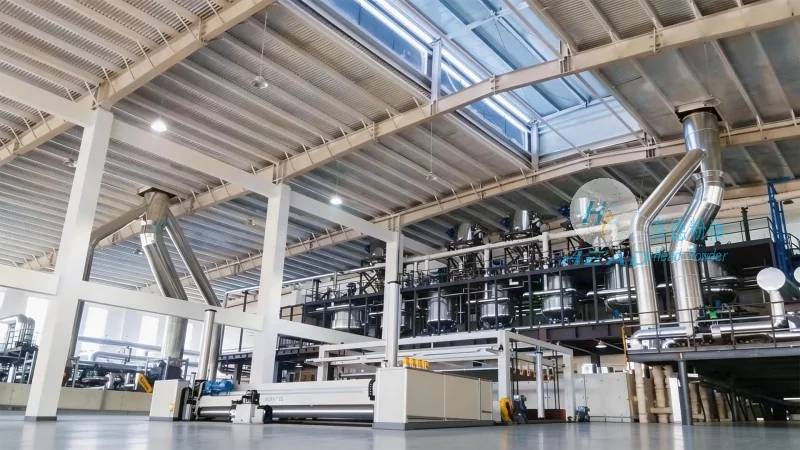
Compared to traditional mechanical conveyors, corn pneumatic conveying systems offer several advantages. One of the primary benefits is the ability to transport materials over long distances without the need for multiple transfer points. This reduces the risk of material spillage and contamination. The system also minimizes the need for manual handling, enhancing workplace safety. Furthermore, the enclosed pipeline design prevents dust and moisture from affecting the corn quality, preserving its nutritional value and marketability. The energy efficiency of modern pneumatic systems, combined with lower maintenance costs, makes them a cost-effective solution for corn processing operations.
Conclusion
Understanding the design principles and components of a corn pneumatic conveying system is essential for optimizing corn processing operations. By leveraging the principles of air pressure and efficient material handling, these systems provide reliable and efficient transport solutions for corn and related products. With proper design and maintenance, a corn pneumatic conveying system can significantly enhance productivity and reduce operational costs in corn processing facilities. As a leading provider in this field, Shandong HeadPowder Engineering Co., Ltd. specializes in designing and manufacturing customized pneumatic conveying systems tailored to the specific needs of corn processing industries.