With more than 10‑year industry experience, Shandong Headpowder delivers full‑service pneumatic‑conveying systems and blowers, undertaking nationwide turn‑key powder‑handling projects.
HeadPowder, a prominent enterprise in the material handling sector, specializes in the development and implementation of advanced pneumatic conveying systems. This article offers a comprehensive overview of powder electrolyte pneumatic conveying technology and elucidates the fundamental working principles of such systems, emphasizing their efficiency and adaptability in industrial settings.
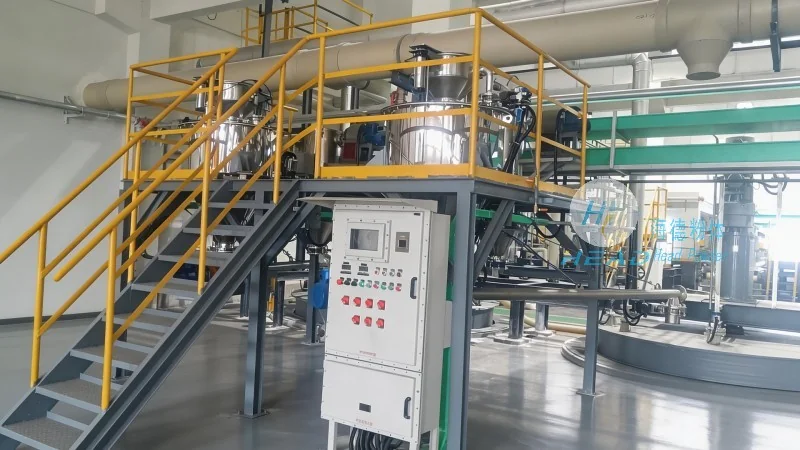
Pneumatic conveying systems are widely utilized across various industries to transport bulk materials, including powders, granules, and other particulate substances. These systems leverage compressed air or gases to move materials through a pipeline network, eliminating the need for mechanical components like belts, screws, or buckets. The technology provides several key advantages, such as reduced maintenance requirements, enhanced safety, and the ability to handle materials in a dust-free environment, which is particularly important for sensitive products like powder electrolytes.
Powder electrolytes, commonly employed in battery manufacturing and other electrochemical processes, present distinct challenges due to their fine particle size and potential reactivity. Pneumatic conveying systems are especially well-suited for transporting these materials because they can maintain a consistent flow without causing agglomeration or degradation. The systems are engineered to handle materials with high moisture content or those that are sensitive to air exposure, ensuring product integrity throughout the conveying process. This makes them an ideal solution for industries where material quality is paramount.
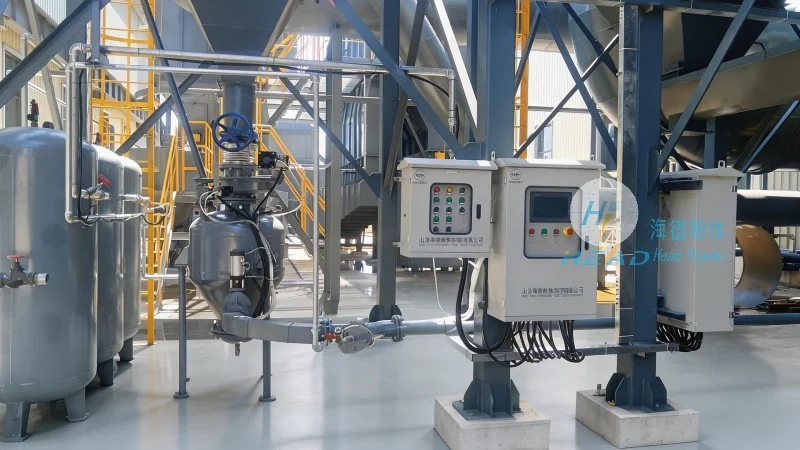
The core mechanism of a pneumatic conveying system involves generating a pressure differential between the inlet and outlet of the pipeline. Compressed air is introduced into the system, creating a flow that propels the material particles forward. The system typically comprises several essential components: a material feed hopper, a conveying line, a separation or collection device, and a control unit. The feed hopper ensures a steady supply of material, while the conveying line transports the particles to the desired destination. The separation device, such as a cyclone or filter, removes any excess air or fine particles from the material stream, ensuring that the final product is clean and free from contaminants. The control unit manages the pressure and flow rates, optimizing the system's performance based on the material properties and conveying requirements.
When compared to traditional mechanical conveying methods, pneumatic systems offer significant benefits for handling powder electrolytes. These include the ability to transport materials over long distances with minimal loss, reducing the risk of material degradation due to reduced friction and impact. Additionally, pneumatic conveying systems provide improved safety features, eliminating the risk of mechanical failure or material spillage, which is crucial in environments where dust and particles could pose health hazards. Furthermore, these systems can be integrated with other processing equipment, such as mixing or drying units, to create a seamless production line, enhancing overall operational efficiency and reducing downtime.
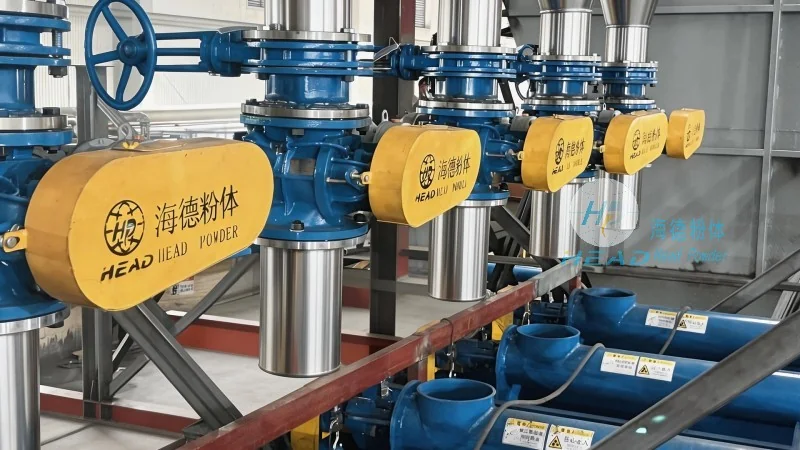
Powder electrolyte pneumatic conveying systems are commonly employed in industries such as battery manufacturing, where the efficient transport of raw materials and finished products is critical for maintaining production throughput. The systems are also utilized in chemical processing, pharmaceuticals, and food processing, where the handling of sensitive materials requires precision and control. By leveraging the principles of pneumatic conveying, companies can optimize their material handling processes, minimize waste, and improve product quality. For instance, in battery production, the consistent and clean transport of powder electrolytes directly impacts the performance and lifespan of the final battery products.
HeadPowder, with its expertise in engineering and manufacturing, provides comprehensive solutions for pneumatic conveying systems tailored to the specific needs of powder electrolyte applications. By understanding the working principles and advantages of these systems, industries can enhance their operational efficiency and ensure the safe and reliable transport of critical materials. The company's commitment to quality and innovation ensures that clients receive systems that meet the highest standards of performance and reliability, supporting their long-term business objectives and growth.

 Shandong Headpowder Engineering Co., Ltd.
 156-6277-7102(Manager Zhang)
  0531-83386006
  Zhangqiu District, Jinan City, Shandong Province, China
telephone
WeChatconsult
top