With more than 10‑year industry experience, Shandong Headpowder delivers full‑service pneumatic‑conveying systems and blowers, undertaking nationwide turn‑key powder‑handling projects.
For industries dealing with magnesium oxide powder, efficient and reliable material handling is crucial. Pneumatic conveying systems have emerged as a sophisticated solution, offering a range of benefits that enhance operational efficiency and product integrity. This article explores the critical role of pneumatic conveying in the transportation of magnesium oxide powder, highlighting the technical advantages and practical applications of such systems.
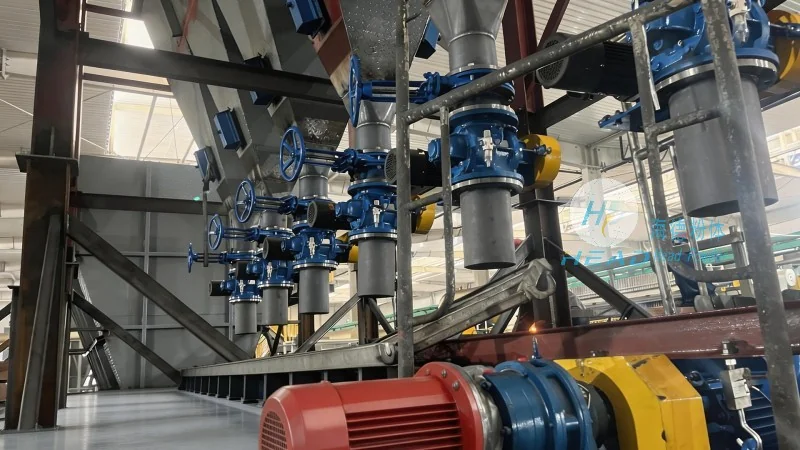
Pneumatic conveying, also known as air conveying, is a method of transporting bulk materials like magnesium oxide powder using a stream of air. Unlike traditional mechanical conveying systems, which rely on belts, screws, or buckets, pneumatic systems utilize air pressure to move materials through pipelines. This approach is particularly advantageous for handling fine powders, as it minimizes product degradation and contamination. The technology has been refined over decades, with modern systems incorporating advanced controls, material separation, and energy efficiency features.
HeadPowder, a leading provider of engineering solutions, specializes in the design, manufacturing, and implementation of pneumatic conveying systems tailored to the needs of various industries. With a focus on innovation and customer-centric solutions, the company has established itself as a trusted partner for businesses requiring reliable material handling solutions. Based in Shandong, China, HeadPowder leverages local expertise and resources to deliver high-quality products and services that meet international standards.
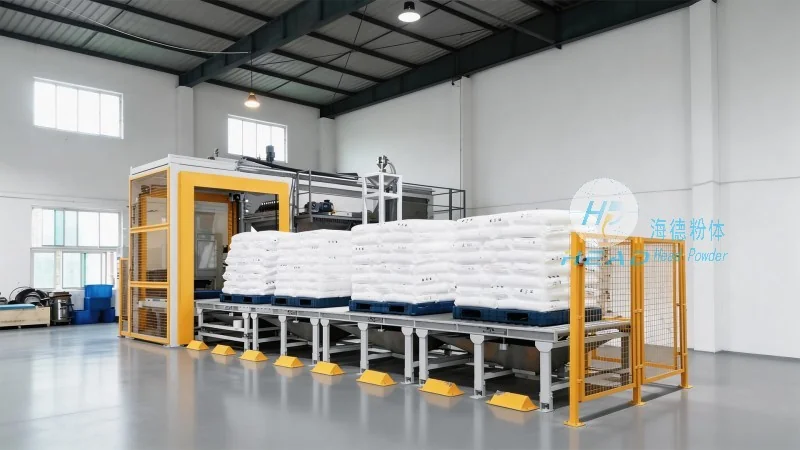
When it comes to transporting magnesium oxide powder, pneumatic conveying offers several key advantages that make it a preferred choice for many manufacturers. First, it provides a dust-free and enclosed environment, which is essential for maintaining product purity and preventing contamination. This is especially important for magnesium oxide, which is often used in applications where high purity is critical, such as in the production of refractory materials, pharmaceuticals, and specialty chemicals. Second, pneumatic systems offer flexibility in terms of layout and integration with existing production lines. They can be configured to handle varying material flow rates and distances, adapting to the specific requirements of each facility.
Third, these systems are highly efficient in terms of energy consumption and operational costs. By using compressed air as the primary driving force, they reduce the need for mechanical components that require regular maintenance and replacement. This leads to lower long-term operational expenses and increased uptime. Additionally, pneumatic conveying systems are capable of handling a wide range of particle sizes and densities, making them suitable for diverse applications within the magnesium oxide industry.
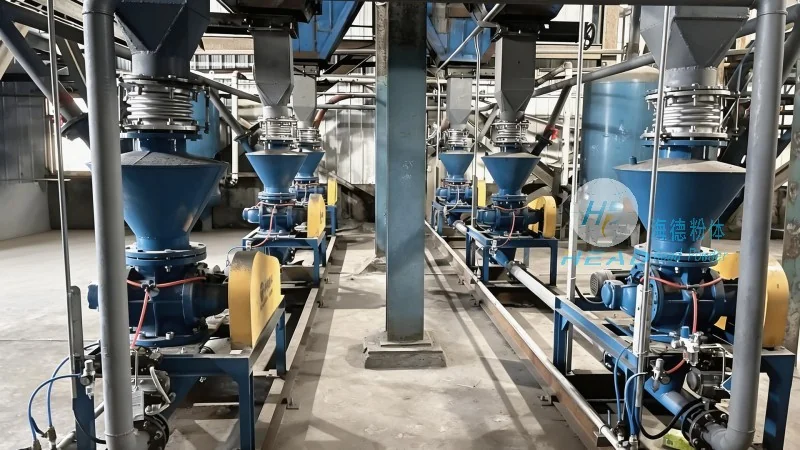
The successful implementation of pneumatic conveying for magnesium oxide powder depends on several technical factors. One of the most critical is the selection of the appropriate conveying air velocity. The velocity must be high enough to prevent particle deposition and blockages but low enough to minimize energy consumption and wear on system components. HeadPowder engineers carefully calculate the required air velocity based on the material's properties, such as particle size, density, and moisture content, to ensure optimal performance.
Another important consideration is the system's pressure and flow rate. Positive pressure systems, where air is forced into the pipeline, are commonly used for short to medium distances, while negative pressure systems, which draw material into the pipeline, are suitable for longer distances. The choice between these systems depends on the specific layout of the facility and the desired level of containment. HeadPowder's expertise in system design allows them to recommend the most suitable configuration for each client's needs.
Pneumatic conveying systems are widely used in the magnesium oxide industry for various applications. For example, in the production of refractory bricks, magnesium oxide powder is conveyed from storage silos to mixing and molding equipment. The enclosed nature of the system prevents dust from escaping into the workplace, ensuring compliance with occupational health and safety regulations. In pharmaceutical applications, where magnesium oxide is used as an antacid, the system's ability to maintain product purity is paramount. HeadPowder has successfully implemented such systems for clients in the pharmaceutical sector, resulting in improved product quality and reduced waste.
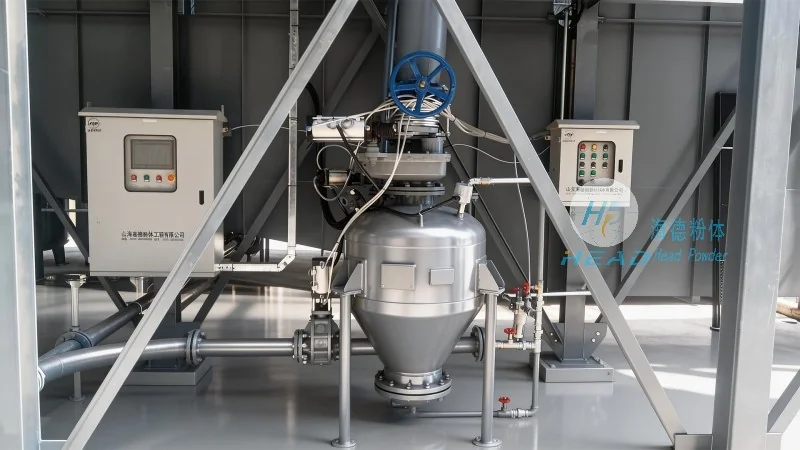
In the chemical industry, magnesium oxide is used as a filler or catalyst. Pneumatic conveying allows for the precise dosing of the powder into reactors and mixing tanks, ensuring consistent product quality. A case study from a chemical manufacturer in China demonstrated a 20% reduction in material handling time and a 15% decrease in operational costs after implementing a HeadPowder-designed pneumatic conveying system. This success highlights the significant impact that well-designed systems can have on overall operational efficiency.
In conclusion, pneumatic conveying plays a vital role in the efficient and reliable handling of magnesium oxide powder. The technology offers numerous advantages, including dust-free operation, flexibility, and energy efficiency, making it an ideal solution for modern manufacturing environments. HeadPowder Engineering Co., Ltd., with its expertise in system design and implementation, continues to provide innovative solutions that meet the evolving needs of the magnesium oxide industry. As industries strive for higher productivity and product quality, the importance of advanced material handling systems like pneumatic conveying will only grow. By leveraging the latest technologies and engineering expertise, companies can enhance their operational performance and maintain a competitive edge in the market.

 Shandong Headpowder Engineering Co., Ltd.
 156-6277-7102(Manager Zhang)
  0531-83386006
  Zhangqiu District, Jinan City, Shandong Province, China
telephone
WeChatconsult
top