With more than 10‑year industry experience, Shandong Headpowder delivers full‑service pneumatic‑conveying systems and blowers, undertaking nationwide turn‑key powder‑handling projects.
For industrial applications, understanding the technical parameters of coal and coke is crucial for optimizing processing and transportation systems. This article provides an overview of key technical parameters and the design principles of conveying systems used in coal and coke handling operations, presented by Shandong HeadPowder Engineering Co., Ltd., a leading provider in the field.
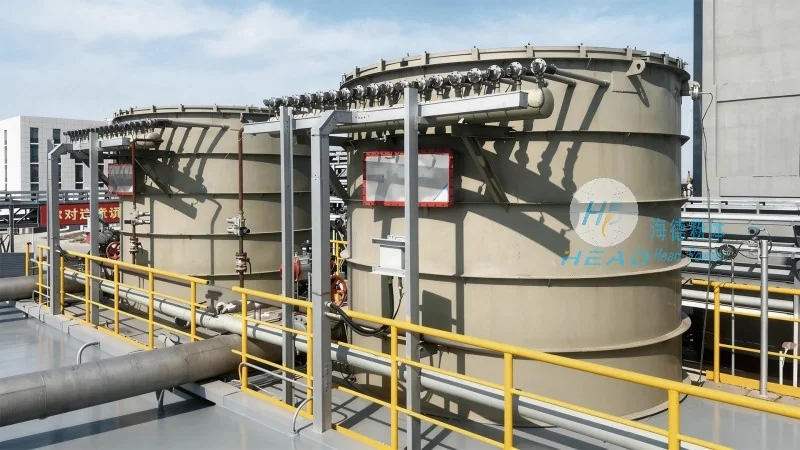
The technical parameters of coal and coke significantly influence the performance of processing and conveying equipment. Key parameters include particle size distribution, bulk density, moisture content, and abrasiveness. Particle size distribution affects the flowability and segregation risk in storage and transport. Bulk density determines the load capacity of conveyors and storage silos. Moisture content impacts the material's stickiness and potential for clumping, which can affect conveyor efficiency. Abrasiveness of coke or coal particles influences the wear rate of conveyor components like belts, idlers, and pulleys. Accurate measurement and control of these parameters are essential for maintaining system efficiency and extending equipment lifespan.
The design of coal and coke conveying systems must consider the material's physical properties and the operational requirements of the plant. Conveyors are typically selected based on the material's flow characteristics and the distance to be transported. Belt conveyors are widely used due to their high capacity and ability to handle long distances. Screw conveyors are suitable for vertical or inclined transport and can handle fine powders or granular materials. Pneumatic conveying systems are used for dust-sensitive or hazardous materials, though they require careful control of air pressure and flow rates to prevent material degradation or blockages.
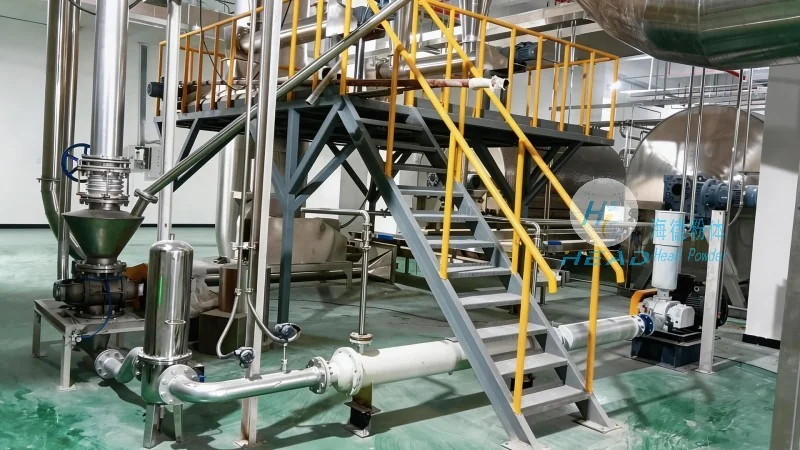
A comprehensive conveying system includes several key components: feeders, conveyors, transfer points, and control systems. Feeders ensure a consistent material flow into the conveyor, preventing surges or starvations. Transfer points are critical for changing the direction of material flow and must be designed to minimize spillage and maintain material integrity. Control systems monitor and adjust the system parameters in real-time, such as conveyor speed, feed rate, and pressure, to optimize performance and prevent overloading or underloading. Proper integration of these components ensures smooth operation and reduces downtime.
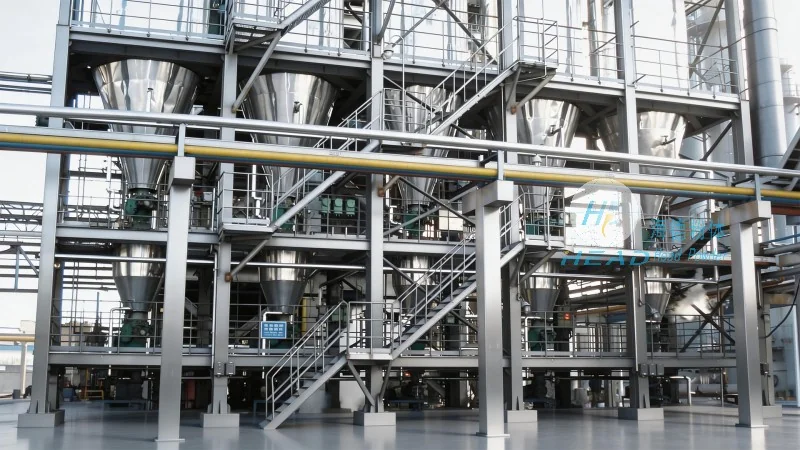
Coal and coke handling operations require strict adherence to safety standards due to the potential for dust explosions and material handling hazards. Conveying systems must be equipped with dust suppression and explosion-proof features where necessary. Regular maintenance is essential to prevent equipment failure and ensure reliable operation. This includes routine inspections of conveyor belts, lubrication of moving parts, and cleaning of transfer points to prevent material buildup. Proper maintenance extends the service life of equipment and reduces the risk of accidents.
Shandong HeadPowder Engineering Co., Ltd., operating under the brand name headpowder, specializes in the design, manufacturing, and installation of coal and coke handling systems. With a focus on technical excellence and customer satisfaction, the company provides tailored solutions to meet the specific needs of industrial clients. HeadPowder's expertise in material handling technology ensures that clients receive efficient and reliable systems that enhance productivity and safety. The company's commitment to quality and innovation has established it as a trusted partner in the coal and coke processing industry.

 Shandong Headpowder Engineering Co., Ltd.
 156-6277-7102(Manager Zhang)
  0531-83386006
  Zhangqiu District, Jinan City, Shandong Province, China
telephone
WeChatconsult
top