With more than 10‑year industry experience, Shandong Headpowder delivers full‑service pneumatic‑conveying systems and blowers, undertaking nationwide turn‑key powder‑handling projects.
HeadPowder, a leading provider of specialized engineering solutions, specializes in the design, manufacturing, and implementation of advanced pneumatic conveying systems tailored for the pharmaceutical industry. This article explores the various types of powdered drug pneumatic conveying systems, their key characteristics, and the diverse application ranges where they are effectively utilized.
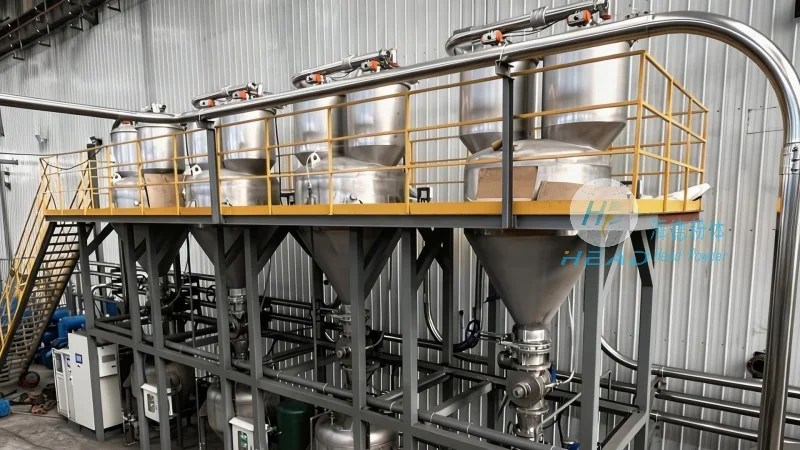
Pneumatic conveying systems are essential for the efficient and safe transport of powdered drugs and pharmaceutical raw materials within manufacturing facilities. These systems utilize air or other gases to move powders through pipelines, offering advantages such as contamination control, reduced risk of product degradation, and enhanced operational flexibility. The choice of system type depends on factors like material properties, process requirements, and environmental considerations.
There are several types of pneumatic conveying systems commonly used in the pharmaceutical industry, each with distinct operational principles and suitability for different applications. The primary categories include:
Dilute phase systems operate by transporting powders in a low concentration of particles suspended in a high-velocity air stream. This method is ideal for long-distance transport and is suitable for materials that are non-abrasive and free-flowing. The system typically uses positive pressure to move materials, ensuring a continuous and stable flow. Key features include low pressure requirements, minimal wear on equipment, and the ability to handle large volumes of material efficiently.
Dense phase systems, also known as low-velocity or high-pressure systems, transport powders in a high concentration of particles within a lower velocity air stream. This approach is particularly effective for handling abrasive or cohesive materials, as well as those that are sensitive to high velocities or pressure drops. The system operates under higher pressure, often using pulse or valve-controlled air to maintain a dense flow, which reduces product degradation and minimizes the risk of blockages.
Hybrid systems combine elements of both dilute and dense phase operations, offering flexibility in handling a wide range of materials. These systems may use a combination of positive and negative pressure zones, or integrate different conveying modes to optimize performance. They are suitable for applications requiring both long-distance transport and precise control over material flow, making them versatile for complex pharmaceutical processes.
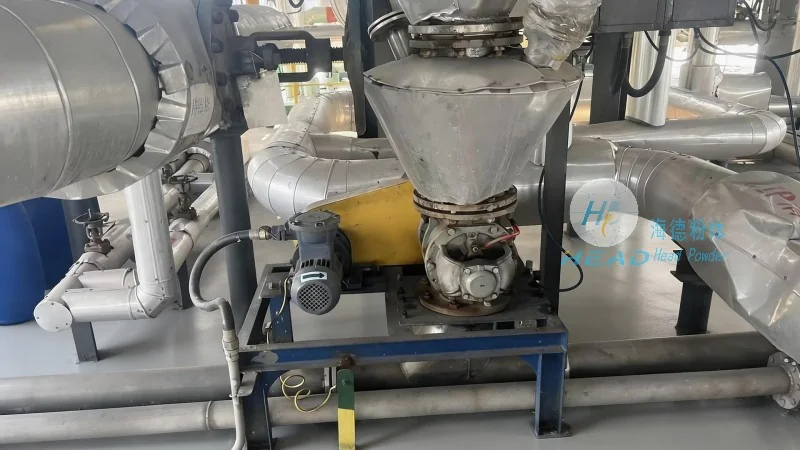
Regardless of the system type, powdered drug pneumatic conveying systems share several critical features that contribute to their effectiveness and reliability in pharmaceutical manufacturing:
The closed-loop design of pneumatic conveying systems prevents cross-contamination between different product batches or raw materials. This is crucial in pharmaceutical production, where maintaining product purity and compliance with regulatory standards (such as FDA guidelines) is paramount. The systems are typically constructed from stainless steel or other corrosion-resistant materials, ensuring that the conveyed powders remain free from external contaminants.
Modern pneumatic conveying systems are designed to optimize energy consumption while maintaining high performance. Advanced control systems and efficient air compressors help reduce operational costs without compromising the quality of material transport. The ability to adjust air pressure and flow rates according to process needs further enhances energy efficiency, making these systems economically viable for long-term use.
Pneumatic conveying systems offer high flexibility in terms of material handling and process integration. They can be easily integrated with other equipment, such as mixers, dryers, and packaging machines, to form comprehensive production lines. The systems can handle a wide variety of powder characteristics, including different particle sizes, densities, and flowabilities, allowing for adaptability to changing production requirements.
Well-designed pneumatic conveying systems minimize downtime through robust construction and reliable operation. The use of wear-resistant components and regular maintenance protocols ensures that the systems operate with minimal interruptions. Additionally, the closed system design reduces the need for frequent cleaning and maintenance, as compared to traditional bulk handling methods, thereby lowering overall operational costs.
Powdered drug pneumatic conveying systems are widely applied across various stages of pharmaceutical manufacturing and processing. The following are key application ranges where these systems are utilized:
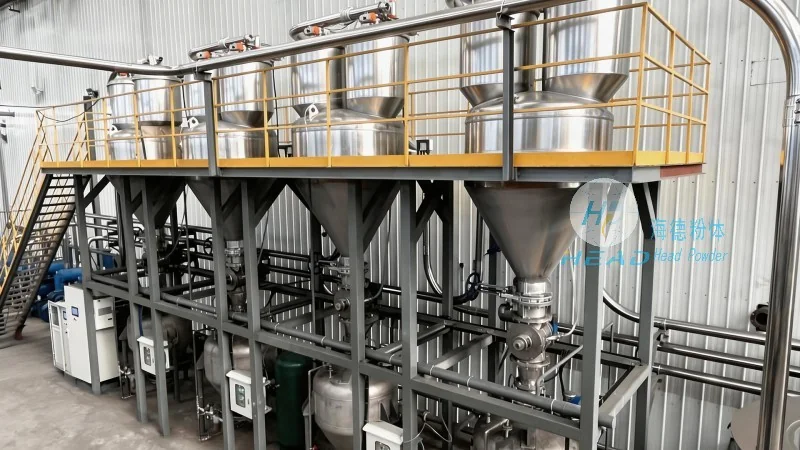
At the initial stages of pharmaceutical production, raw materials such as active pharmaceutical ingredients (APIs), excipients, and other powders are received and stored. Pneumatic conveying systems are used to transfer these materials from storage silos or containers to processing equipment, ensuring a smooth and controlled flow. This application is critical for maintaining inventory accuracy and preventing material loss or contamination.
During the manufacturing process, intermediate products, such as granules, powders, or solutions, are often transferred between different processing units. Pneumatic conveying systems facilitate the movement of these materials with minimal risk of degradation or contamination. For example, after a granulation step, the granules can be conveyed to a drying or coating unit using a dense phase system to ensure uniform drying and consistent product quality.
In the final stages of production, finished pharmaceutical products are packaged for distribution. Pneumatic conveying systems are used to transport the packaged products from the filling and sealing lines to storage areas or shipping containers. This application ensures that the products are handled gently and efficiently, maintaining their integrity until they reach the end-user.
Pneumatic conveying systems also play a role in waste management and material recycling within pharmaceutical facilities. Waste powders or rejected batches can be collected and conveyed to waste processing units or recycling systems. This helps in reducing environmental impact and optimizing resource utilization by reprocessing usable materials.
HeadPowder Engineering Co., Ltd., based in Shandong, China, specializes in providing customized pneumatic conveying solutions for the pharmaceutical industry. By understanding the unique requirements of powdered drug handling, the company designs and implements systems that meet the highest standards of efficiency, safety, and compliance. Whether it's dilute or dense phase systems, hybrid configurations, or integrated process solutions, HeadPowder's expertise ensures that pharmaceutical manufacturers can achieve reliable, cost-effective, and environmentally responsible material transport. The diverse application ranges and key features of powdered drug pneumatic conveying systems make them indispensable in modern pharmaceutical production, supporting the delivery of high-quality medications to patients worldwide.

 Shandong Headpowder Engineering Co., Ltd.
 156-6277-7102(Manager Zhang)
  0531-83386006
  Zhangqiu District, Jinan City, Shandong Province, China
telephone
WeChatconsult
top